

Owning a horse is a dream for many people—but turning that dream into reality requires careful thought, planning, and honesty with yourself. If you’re asking how to know if owning a horse is right for you, you’re already on the right path. This decision goes far beyond love for animals; it involves time, money, responsibility, and long-term commitment.
As someone who has worked closely with pet care content and researched animal ownership deeply, I’ve seen both successful horse owners and those who underestimated the responsibility. If you’re still exploring whether you’re ready for this journey, you might find it helpful to first understand general animal care responsibilities through this guide on responsible pet ownership from PetCareFables, which explains what it truly means to care for an animal long-term.
This article will help you make a clear, realistic decision—based on facts, real-life expectations, and practical advice.
What Does It Mean to Own a Horse?
Before deciding how to know if owning a horse is right for you, you need to understand what horse ownership actually involves.
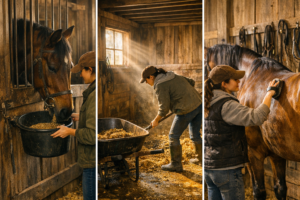
Owning a horse means:
- Daily feeding and care (even in bad weather)
- Regular grooming and exercise
- Veterinary care and emergencies
- Stable management or boarding arrangements
- Emotional and physical commitment for 20–30 years
Unlike smaller pets, horses are large, sensitive animals that require consistent handling and knowledge.
Why It’s Important to Ask “Is Horse Ownership Right for Me?”
Many people romanticize horse ownership—beautiful rides, bonding moments, and peaceful countryside scenes. But the reality includes early mornings, unexpected vet bills, and physically demanding work.
Asking how to know if owning a horse is right for you helps you:
- Avoid financial stress
- Ensure the horse’s welfare
- Prevent burnout or regret
- Make a responsible, informed decision
Key Signs Horse Ownership Might Be Right for You
1. You Have a Genuine Passion for Horses
Liking horses isn’t enough—you need a deep, consistent interest.
Ask yourself:
- Do I enjoy caring for horses, not just riding them?
- Am I willing to spend time cleaning, feeding, and maintaining?
Example: Many first-time owners realize they love riding but not the daily maintenance. This leads to frustration and neglect.
2. You Understand the Time Commitment
Owning a horse is not a part-time hobby.
Daily time requirements include:
- Feeding: 2–3 times per day
- Grooming: 20–40 minutes
- Exercise: 30–60 minutes
- Stable cleaning: 30–60 minutes
That’s 2–4 hours daily.
If your schedule is already packed (studies, job, family), this can become overwhelming.
3. You Can Afford the Costs
One of the biggest factors in how to know if owning a horse is right for you is financial readiness.
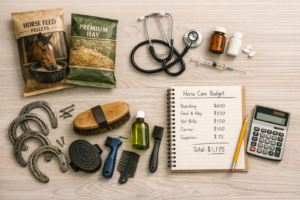
Typical Costs (Monthly Estimate):
- Boarding: $300–$1,000+
- Feed: $100–$300
- Vet care: $50–$200 (more in emergencies)
- Farrier (hoof care): $50–$150
- Equipment: variable
Annual Cost:
$5,000 to $15,000+ depending on location and care level
Reality Check: Emergency surgeries can cost thousands.
4. You Have Access to Proper Facilities
You need:
- A safe stable or boarding facility
- Space for exercise
- Clean water supply
- Secure fencing
If you don’t own land, boarding is necessary—and costs add up quickly.
5. You’re Physically and Mentally Prepared
Horses are powerful animals.
You must:
- Handle unpredictable behavior
- Stay calm under pressure
- Be physically capable of managing a large animal
Case Example: A beginner owner without training tried handling a nervous horse alone and ended up injured. Proper training is essential.
6. You’re Willing to Keep Learning
Horse care isn’t something you fully learn overnight.
You’ll need knowledge about:
- Nutrition
- Behavior
- Health signs
- Training techniques
Good owners continuously learn and improve.
FAQ’s
1. How do you know if a horse is right for you?
Answer : A rider’s height, weight, fitness level, ability and riding ambitions all have an impact on the type of horse that should be considered. If you’re already having regular lessons, you can ask for objective advice from your instructor. They can advise which type of horse would be best suited to your needs.
2. What are red flags when buying a horse?
Answer : The Red Flags:
Won’t provide past veterinary records or claims they “don’t have any” Becomes defensive or evasive when asked about the horse’s medical history. Says the horse “has never needed a vet” (highly unlikely for any horse) Records provided don’t match the horse’s age or claimed history.
3. Is 70kg too heavy to ride a horse?
Answer : As a general rule, a horse can only comfortably carry up to 15–20% of its own body weight, though this may differ slightly from horse to horse. For instance, a horse that weights 500kg can comfortably carry a load of 100kg.
4. How to tell if a horse trusts you?
Answer : Here are some tell-tale signs that you’ve gained your horse’s trust.
- Your Horse is at Ease Around You.
- Your Horse Listens to You.
- Your Horse Approaches You.
- Your Horse Respects You.
- Your Horse Lets You Touch Them.
- Your Horse Engages With You.
- Become A Good Leader.
- Put in the Groundwork.
Common Challenges in Horse Ownership (And Solutions)
Challenge 1: High Costs
Solution:
- Consider leasing instead of buying
- Share ownership with a partner
- Budget realistically before committing
Challenge 2: Time Management
Solution:
- Create a daily schedule
- Choose boarding facilities that offer partial care
- Ask for help from experienced handlers
Challenge 3: Lack of Experience
Solution:
- Take riding lessons
- Volunteer at a stable
- Work with experienced trainers
Challenge 4: Emotional Burnout
Owning a horse can be emotionally demanding.
Solution:
- Set realistic expectations
- Take breaks when needed
- Build a support system
Leasing vs Buying: A Smart First Step
If you’re unsure how to know if owning a horse is right for you, leasing is a great option.
Benefits of Leasing:
- Lower cost
- Less responsibility
- Experience without full commitment
Many experienced horse owners recommend leasing before buying.
Questions to Ask Yourself Before Owning a Horse
Be honest when answering:
- Do I have at least 2–4 hours daily?
- Can I afford long-term costs?
- Do I have access to proper facilities?
- Am I willing to learn continuously?
- Do I enjoy caring, not just riding?
If you hesitate on multiple questions, you may need more preparation.
Real-Life Example: Beginner vs Prepared Owner
Scenario 1: Unprepared Owner
- Bought a horse impulsively
- Didn’t plan finances
- Lacked time and experience
Result: Sold the horse within a year
Scenario 2: Prepared Owner
- Took lessons for 1 year
- Started with leasing
- Budgeted expenses
Result: Successful long-term ownership
Expert Tips for First-Time Horse Owners
- Start small—don’t rush into buying
- Choose a calm, trained horse (not a young or aggressive one)
- Build a relationship with a veterinarian and farrier
- Keep emergency funds ready
- Stay consistent with routines
For a deeper understanding of horse care and responsibilities, refer to this trusted guide from the
American Society for the Prevention of Cruelty to Animals (ASPCA):
https://www.aspca.org/pet-care/horse-care
How to Prepare Before Owning a Horse
If you’re still interested after learning how to know if owning a horse is right for you, here’s how to prepare:
Step 1: Gain Experience
Spend time at stables, volunteer, or take lessons.
Step 2: Build a Budget
Plan monthly and emergency expenses.
Step 3: Learn Basics
Study feeding, grooming, and health signs.
Step 4: Start with Leasing
Test your readiness before full commitment.
Emotional Side of Horse Ownership
Horses are not just animals—they form strong emotional bonds.
You’ll experience:
- Deep connection and trust
- Responsibility for another life
- Emotional stress during illness or injury
This emotional investment is rewarding—but also demanding.
Signs You Might NOT Be Ready Yet
It’s okay if you’re not ready.
You may need more time if:
- You’re financially unstable
- You lack time
- You have no experience
- You expect it to be easy
Owning a horse should never be rushed.
Final Thoughts: Is Owning a Horse Right for You?
Understanding how to know if owning a horse is right for you comes down to honesty and preparation.
Key Takeaways:
- It requires time, money, and commitment
- Experience matters more than passion alone
- Leasing is a smart starting point
- Proper planning prevents regret
Horse ownership can be one of the most rewarding experiences—but only if done responsibly.
Conclusion
Owning a horse is a life-changing decision that demands dedication, patience, and preparation. By carefully evaluating your time, finances, experience, and emotional readiness, you can confidently decide whether this path is right for you.
If you’re serious about this journey, start small—learn, gain experience, and explore more resources before committing. Making the right decision today ensures both you and your future horse have a happy, healthy life together.
