
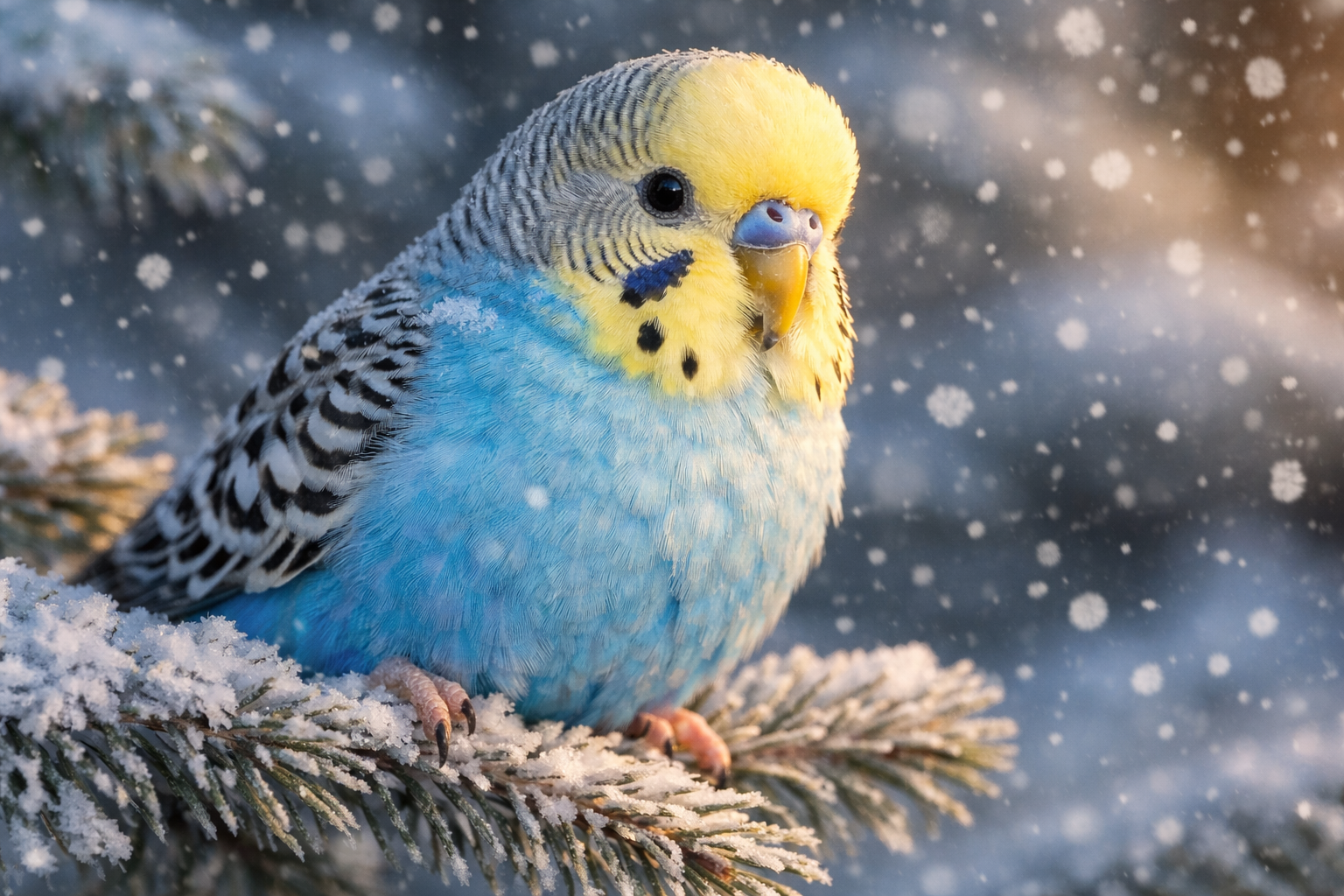
When the frost begins to settle on the windows and the air turns crisp, we reach for our heavy coats and warm mugs of cocoa. But for our vibrantly colored avian companions, the shift in seasons requires more than just a cozy blanket over their cage. Understanding the best food for budgies in winter is critical because these small birds have incredibly high metabolic rates that kick into overdrive when temperatures drop. A proper budgie winter diet isn’t just about feeding them more; it’s about feeding them smarter to ensure they have the energy reserves to maintain their internal body temperature.
I have spent years observing and caring for psittacines, and I’ve seen firsthand how a slight adjustment in nutrition can transform a puffed-up, shivering bird into a lively, whistling companion despite the chill. To ensure your bird thrives year-round, it is helpful to understand their general needs; for instance, learning how to care for a bird/pet provides a solid foundation before diving into seasonal specifics. In this guide, we will explore the science of winter avian nutrition and provide actionable steps to keep your budgie in peak condition.

Why Winter Requires a Nutritional Shift
Budgies are native to the warm, arid regions of Australia. While they are hardy survivors, their tiny bodies (weighing only about 30–40 grams) lose heat rapidly. To stay warm, they engage in thermogenesis—using caloric energy to produce heat. If their diet remains the same as it is in the summer, they may begin to burn through their own fat stores and muscle tissue just to stay alive.
The Role of Healthy Fats and Proteins
In the winter, the “standard” seed mix often falls short. Your budgie winter diet should see a slight increase in healthy fats and high-quality proteins.
-
Oats and Groats: These are excellent “warming” foods. They are calorie-dense and provide the sustained energy a budgie needs to keep its heart rate steady and body warm.
-
Hemp and Flax Seeds: These contain Omega-3 fatty acids, which not only provide energy but also support feather health. A thick, healthy coat of feathers is a budgie’s primary insulation.
The Science of Thermoregulation: How Food Becomes Heat
To truly appreciate the best food for budgies in winter, one must understand the metabolic furnace of a parakeet. In the wild, budgies are “opportunistic” feeders, meaning they eat what is available to survive. In a home environment, they rely entirely on us to mimic the caloric density they would seek during a cold snap.
When a budgie’s environment drops below $18^{\circ}C$ ($65^{\circ}F$), their body triggers a process called non-shivering thermogenesis. This process demands a high concentration of glucose and fatty acids. If the budgie winter diet is too lean—consisting only of cheap, store-bought seeds—the bird will begin to “fluff” its feathers. While this looks cute, it is actually a survival mechanism to trap a thin layer of air against the skin. By providing complex carbohydrates like sprouted mung beans or cooked brown rice, you give them a “slow-burn” fuel that keeps their internal temperature stable for hours, rather than the quick “sugar spike” provided by honey-coated treats.
Top Recommendations: Best Food for Budgies in Winter
To create a balanced plate for your bird, consider these specific categories of food that excel during the colder months.
1. Warm Soft Foods and Mashes
One of the best ways to provide immediate comfort and nutrition is through warm (not hot!) mashes.
-
Cooked Quinoa: High in protein and easy to digest.
-
Steamed Sweet Potato: Packed with Vitamin A, which supports the mucous membranes that can become dry during winter due to indoor heating.
-
Warm Egg Food: Hard-boiled eggs mashed with a bit of crushed biscuit or commercial egg food provide a massive protein boost.
2. Winter-Ready Vegetables
While many people think of greens as summer food, certain vegetables are staples for a budgie winter diet.
-
Kale and Spinach: Dark leafy greens are rich in iron and calcium.
-
Carrots: Provide beta-carotene for immune support.
-
Squash: High in complex carbohydrates for long-term energy.
3. Energy-Dense Seeds and Grains
Incorporate a higher percentage of canary seed and millets during the peak of winter. While millets are often seen as “treats,” the extra carbohydrates are beneficial when the bird is spending extra energy on heat production.

Winter Superfoods: Beyond the Seed Cup
While we have discussed staples, adding “superfoods” to your budgie winter diet can provide a significant boost to their immune system, which is naturally taxed by the cold.
-
Bee Pollen: Often called “nature’s multivitamins,” a tiny pinch of human-grade bee pollen over their morning chop provides a concentrated burst of amino acids and enzymes. This helps maintain muscle mass when the bird is less active.
-
Ceylon Cinnamon: A dust of cinnamon on warm sweet potato mash isn’t just flavorful; it has mild anti-fungal properties and can improve circulation.
-
Sprouted Seeds: Sprouting “awakens” the enzymes in seeds, making the nutrients more bioavailable. In winter, when fresh outdoor grass is unavailable, sprouts serve as a vital source of living chlorophyll and antioxidants.
-
Red Palm Oil: In very small amounts (one drop mixed into seeds once a week), this oil provides a massive dose of Vitamin E and Beta-carotene, acting as a powerful internal insulator for their skin and feather follicles.
Common Challenges: Managing the Indoor Environment
Winter brings a unique set of challenges that go beyond just the food bowl.
The Dehydration Trap
Indoor heating systems strip moisture from the air. A dry environment can lead to respiratory issues and dry skin for your budgie. Even though they may seem to drink less in winter, ensure their water is fresh and at room temperature. Cold water can actually lower their body temperature.
Seasonal Depression and Activity
Lower light levels can lead to lethargy. If a budgie isn’t moving, its circulation slows down, making it colder. Use “foraging toys” to hide the best food for budgies in winter. Making them work for a piece of spray millet or a nut piece keeps their blood pumping and their mind sharp.
Troubleshooting Winter Ailments: Nutrition as Preventative Medicine
The winter months often see a spike in “Night Frights” and respiratory distress. Nutrition plays a silent but starring role in preventing these.
-
Vitamin A Deficiency (Hypovitaminosis A): This is the most common nutritional issue in budgies. Winter air dries out the protective lining of the lungs and sinuses. If the best food for budgies in winter doesn’t include orange vegetables (carrots, pumpkin, squash), these linings crack, allowing bacteria to enter.
-
Calcium Binding: Many owners notice their female budgies may still try to lay eggs in winter due to artificial indoor lighting. However, the cold can make muscles sluggish, leading to egg binding. Ensure a high-quality cuttlebone or mineral block is always available to provide the calcium necessary for muscle contractions.
-
The “Winter Molt”: Some birds go through a heavy molt when the indoor heater turns on. Growing new feathers is an incredibly energy-draining process. During this time, increase the protein in their budgie winter diet by offering small pieces of spray millet soaked in a bird-safe liquid vitamin.
Expert Tips for a Successful Budgie Winter Diet
Based on avian care standards, here are three pro-tips to elevate your bird’s winter health:
-
The “Night Cap” Feeding: Offer a small amount of energy-dense seed right before you cover the cage for the night. This ensures their crop is full, providing fuel to burn during the long, cold night hours.
-
Vitamin D Supplements: Since there is less natural sunlight, your budgie may struggle to synthesize Vitamin D. Consult a vet about a liquid supplement or use a full-spectrum bird lamp to ensure they can absorb the calcium in their diet.
-
Monitor Weight: Use a gram scale to weigh your budgie weekly. A sudden drop in weight in winter is a red flag that their current diet isn’t meeting their thermogenic needs.
FAQs About Feeding Budgies in Winter
Q: Can I give my budgie warm milk or tea?
A: Never give milk, as birds are lactose intolerant. However, certain caffeine-free herbal teas like chamomile or ginger (served lukewarm) can be soothing and hydrating.
Q: Is suet safe for budgies like it is for wild birds?
A: Generally, no. Commercial suet for wild birds often contains low-quality fats or additives not meant for pet parakeets. Stick to natural fats found in seeds and nuts.
Q: How often should I provide egg food in winter?
A: Once or twice a week is usually sufficient for a pet budgie, unless they are in a breeding cycle or molting, in which case they may need it more frequently.
The Importance of Foraging and Variety
In the wild, budgies are opportunistic feeders. Replicating this variety is the key to a robust immune system. According to The Merck Veterinary Manual, a diet consisting solely of seeds is one of the leading causes of malnutrition in pet birds.
By mixing the best food for budgies in winter—including pellets, seeds, and fresh produce—you ensure they receive a spectrum of vitamins. Try hanging a “kabob” of winter veggies like broccoli and Brussels sprouts. The effort they spend shredding these vegetables generates body heat and provides essential micronutrients.
The Psychological Impact of Winter Foraging
A bird’s mental state directly affects its physical health. In winter, when windows are closed and there is less “action” outside, budgies can become depressed. Boredom leads to a sedentary lifestyle, which makes a bird feel the cold more acutely.
Transform the best food for budgies in winter into a game. Instead of a bowl, try the following:
-
The Veggie Bouquet: Tie stalks of kale and herbs together and hang them from the top of the cage. The bird must climb and stretch to eat, which increases blood flow.
-
Cardboard Foraging: Place their favorite seeds inside a small cardboard egg carton and close it. The effort required to shred the paper to reach the food generates significant kinetic body heat.
-
Warm Water Misting: While not “food,” misting your bird with warm water (followed by a quick dry-off near a safe heat source) encourages preening. Preening spreads the natural oils from the uropygial gland across the feathers, creating a waterproof and windproof barrier—the ultimate winter coat.

Conclusion: A Happy, Chirpy Winter
Maintaining a healthy budgie winter diet is an act of love and responsibility. By focusing on energy-dense grains, protein-rich soft foods, and vitamin-packed vegetables, you provide your feathered friend with the tools they need to stay warm from the inside out. Remember to monitor your bird’s behavior; a healthy budgie should be active, vocal, and have smooth, well-preened feathers.
Don’t let the cold dampen your budgie’s spirit. Start implementing these dietary changes today to ensure a vibrant and healthy season for your pet.
