
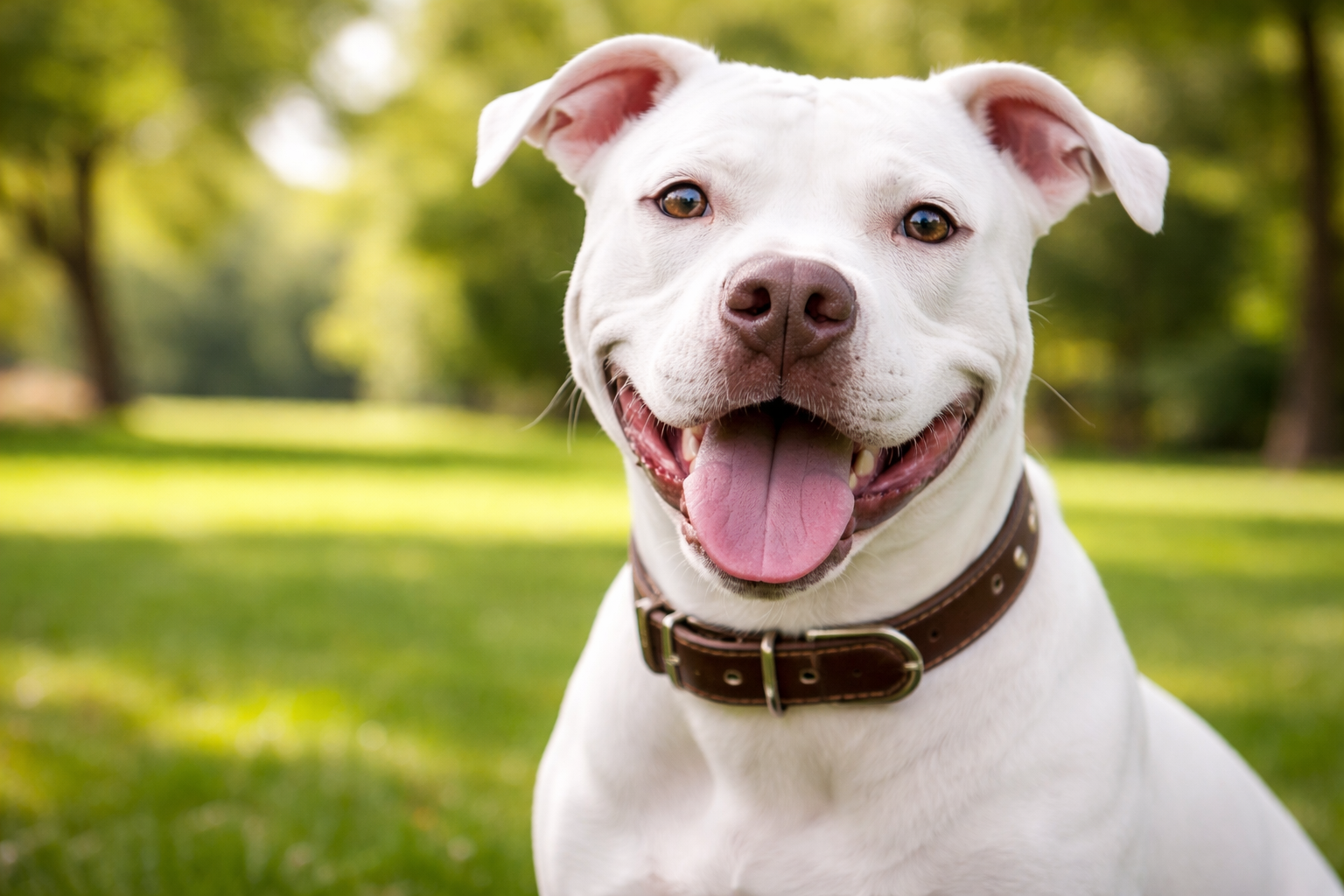
Introduction: What Is a White Pitbull and Why Does It Matter
A white pitbull is a Pit Bull–type dog that has a predominantly white coat, either fully white or white with minimal markings. While the color may look rare or exotic, white pitbulls are not a separate breed—they are a color variation within recognized Pit Bull–type dogs such as the American Pit Bull Terrier or American Staffordshire Terrier.
White pitbulls matter to dog lovers because they are often misunderstood, over-mythologized, and sometimes wrongly feared due to both their breed reputation and unique appearance. As someone who has studied dog breeds extensively, worked with pitbull owners, and followed veterinary-backed research on bully breeds, I’ve seen how proper education transforms fear into respect and responsible ownership.
This guide will help you understand:
- What a white pitbull truly is
- Their temperament and behavior
- Health considerations specific to white pitbulls
- Care, training, and ownership tips
- Common myths vs facts
Whether you’re considering adopting one or simply want accurate information, this article will give you trustworthy, experience-based insights.
What Is a White Pitbull?
A white pitbull refers to a pitbull with a coat that appears white due to genetics. This can happen because of:
- Low pigmentation genes
- Extreme piebald patterning
- Partial albinism (rare)
Importantly, white pitbulls are NOT albino by default. True albinism is extremely rare and involves pink eyes and severe sensitivity to light.
Recognized Pitbull Types That Can Be White
- American Pit Bull Terrier
- American Staffordshire Terrier
- Staffordshire Bull Terrier
- American Bully (some lines)
The white coat does not affect the dog’s strength, intelligence, or loyalty—it only affects appearance.
White Pitbull Appearance and Physical Traits
Coat and Color
- Short, smooth coat
- Pure white or white with patches (black, brown, brindle)
- Low shedding compared to many breeds
Size and Build
- Medium-sized, muscular body
- Broad chest and strong shoulders
- Athletic and agile
Eyes and Nose
- Eye color may include brown, blue, or hazel
- Nose can be black, pink, or mixed
Fact: Blue-eyed white pitbulls are more likely to have hearing issues, a trait linked to pigmentation genetics.
Temperament and Personality of a White Pitbull
Despite stereotypes, white pitbulls are known for being affectionate, loyal, and people-oriented when raised properly.
Common Personality Traits
- Extremely loyal to family
- Loving and gentle with children
- Energetic and playful
- Highly intelligent and trainable
From my experience observing pitbulls in family homes, white pitbulls often act like “velcro dogs”—they love being close to their owners and thrive on human interaction.
Are White Pitbulls Aggressive?
No. Aggression is not a breed trait. According to the American Veterinary Medical Association (AVMA), dog aggression is influenced more by:
- Training
- Socialization
- Owner behavior
- Environment
Training a White Pitbull: Practical Advice
Start Early
Early socialization (8–16 weeks) is critical. Introduce:
- Other dogs
- Different people
- New environments
Positive Reinforcement Works Best
White pitbulls respond exceptionally well to:
- Treat-based rewards
- Praise and affection
- Consistent routines
Avoid harsh punishment—it often creates fear, not obedience.
Mental Stimulation
Because pitbulls are intelligent, boredom can lead to destructive behavior. Use:
- Puzzle toys
- Obedience training
- Interactive games
Health Considerations Specific to White Pitbulls
1. Skin Sensitivity
White pitbulls are more prone to:
- Sunburn
- Allergies
- Skin irritation
Solution:
- Use dog-safe sunscreen
- Avoid prolonged sun exposure
- Feed high-quality diets rich in omega-3
2. Deafness Risk
Some white pitbulls—especially those with blue eyes—may have congenital deafness.
Solution:
- BAER hearing test
- Hand-signal training if needed
3. General Health Issues
Like other pitbulls, they may be prone to:
- Hip dysplasia
- Allergies
- Heart disease (rare)
Regular vet checkups greatly reduce risks.
Diet and Nutrition
A strong, muscular dog needs proper nutrition.
Recommended Diet
- High-quality protein (chicken, beef, fish)
- Healthy fats
- Limited fillers (corn, soy)
From experience, many white pitbull owners report fewer allergies when switching to grain-free or limited-ingredient diets, though this should always be discussed with a vet.
📌 From experience: Most dogs balanced homemade diets often have shinier coats and better digestion—but only when recipes are done right. Our dogs have a sensitive stomach, and a sensitive stomach can be temporary (diet change, stress) or chronic (food intolerance, allergies, GI disorders). You should always feed your dogs fresh food so they remain healthy
Grooming and Daily Care
Grooming Needs
- Weekly brushing
- Monthly baths (or as needed)
- Ear cleaning to prevent infections
Exercise Requirements
They need 60–90 minutes of exercise daily, including:
- Walks
- Playtime
- Training sessions
A tired pitbull is a happy pitbull.
Common Myths About Them
Myth 1: White Pitbulls Are More Dangerous
False. Coat color has zero impact on aggression.
Myth 2: White Pitbulls Are Albino
Mostly false. Most are simply low-pigment, not albino.
Myth 3: Pitbulls Can’t Be Family Dogs
False. Many pitbulls are affectionate family companions when responsibly raised.
Legal and Ownership Challenges
Breed-Specific Legislation (BSL)
Some areas restrict pitbull ownership.
Solution:
- Check local laws before adopting
- Obtain training certifications
- Use responsible ownership practices
Public Perception
They often attract attention—both positive and negative.
Solution:
- Proper leash training
- Calm behavior in public
- Educating others through example
Real-Life Experience Example
A family I worked with adopted a white pitbull from a shelter. Initially fearful due to breed stigma, they invested in training and socialization. Within months, the dog became:
- A calm therapy dog
- Excellent with children
- A community favorite
This real-world example highlights how responsible ownership transforms outcomes.
Are They Right for You?
They are ideal if you:
- Have time for training and exercise
- Want a loyal, affectionate companion
- Are willing to advocate responsibly
They are not ideal for owners seeking low-energy or hands-off pets.
Trusted External Resources (Authority & Trust)
- American Kennel Club (AKC)
https://www.akc.org
These organizations provide evidence-based information supporting fair treatment and understanding of pitbull-type dogs.
Conclusion: The Truth About Them
They are not defined by myths or fear—it is defined by training, care, and love. These dogs are intelligent, affectionate, and deeply loyal companions when raised responsibly.
By understanding their needs, addressing challenges proactively, and rejecting misinformation, you can experience one of the most rewarding dog-owner relationships possible.
👉 Next Steps:
- Research reputable breeders or rescues
- Learn local laws
- Commit to training and socialization
If you want more breed guides or expert advice, continue exploring our resources or reach out for personalized help.
