
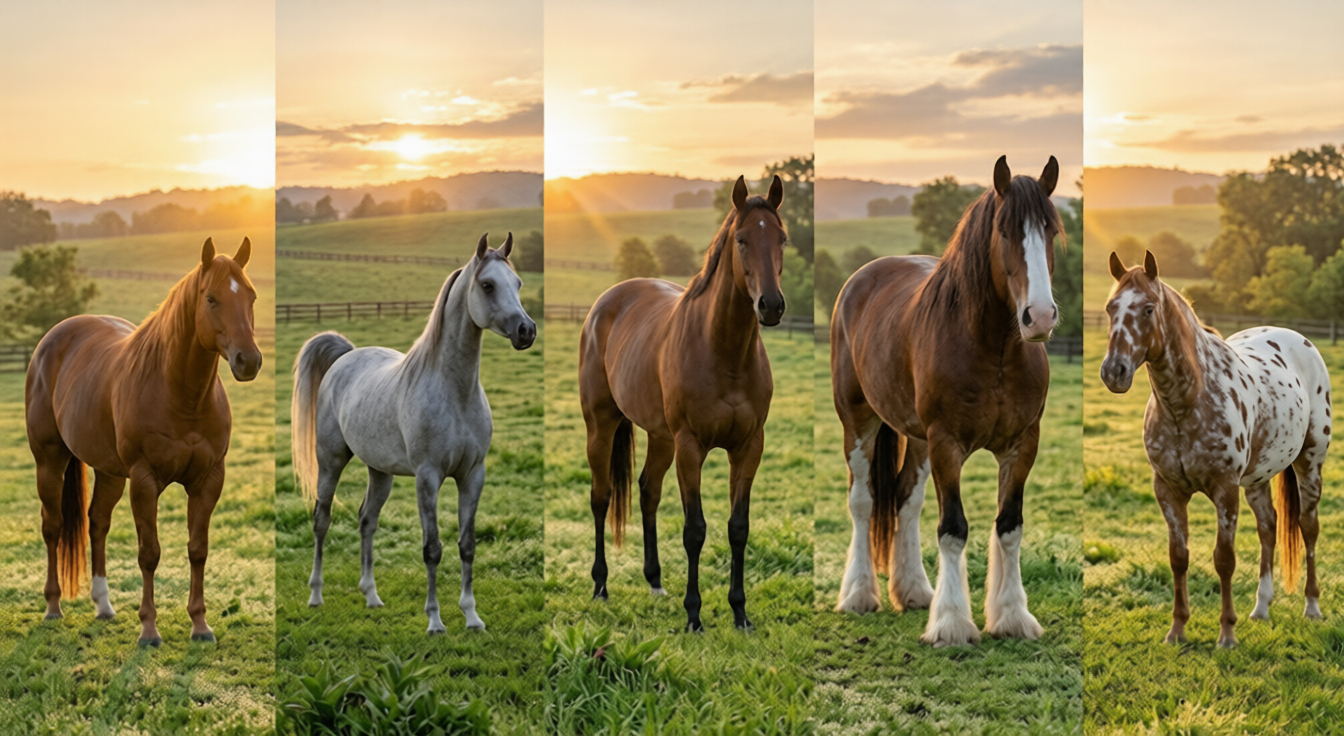
When people search for the Top Five Horse breeds, they are usually looking for reliable, versatile, and popular horses that stand out in temperament, performance, and beauty.
Whether you’re a beginner rider, a potential horse owner, or simply a horse enthusiast, understanding the Top Five Horse breeds can help you make informed decisions.
As someone who has spent years researching equine care, behavior, and breed characteristics—while also working closely with horse owners and stable managers—I’ve seen firsthand how choosing the right horse breed can completely change a rider’s experience. From temperament compatibility to maintenance needs, selecting the right breed is essential.
If you’re new to horses, you may also want to explore this detailed Essential Horse Ownership Guide for Beginners to better understand responsibilities before choosing your ideal breed.
In this article, we’ll explore the Top Five Horse Breeds, their strengths, ideal uses, temperament, care requirements, and common challenges. We’ll also answer frequently asked questions and provide practical advice to help you make the best decision.
What Are “Top Five Horse”?
The term “Top Five Horse” usually refers to the most popular, versatile, and widely respected horse breeds worldwide. These breeds consistently rank high in:
- Temperament
- Performance ability
- Trainability
- Adaptability
- Popularity in equestrian sports
- Suitability for beginners and professionals
Let’s dive into the top five.

1. American Quarter Horse
Why It’s One of the Top Five Horse Breeds
The American Quarter Horse is arguably the most popular horse breed in the United States. Known for its incredible speed over short distances, this breed dominates rodeo events and ranch work.
Key Traits
- Calm and steady temperament
- Extremely trainable
- Excellent for beginners
- Strong muscular build
Best For
- Ranch work
- Western riding
- Barrel racing
- Trail riding
Real-Life Insight
In my experience working with beginner riders, the Quarter Horse is often recommended because of its forgiving nature. They are patient, intelligent, and respond well to consistent training.
Challenge
They can gain weight easily. Owners must carefully manage diet and exercise to prevent obesity.
2. Arabian horse
Why It’s Among the Top Five Horse Breeds
The Arabian horse is one of the oldest horse breeds in the world. Known for endurance, intelligence, and beauty, this breed excels in long-distance riding.
Key Traits
- Distinctive dished face
- High stamina
- Loyal and sensitive personality
- Strong bond with owner
Best For
- Endurance riding
- Competitive shows
- Experienced riders
Expert Tip
Arabians are highly intelligent and emotionally sensitive. They require patient, confident handling. If treated harshly, they may become anxious.
Challenge
Not ideal for complete beginners due to their high energy.

3. Thoroughbred
Why It’s a Top Five Horse Choice
Thoroughbreds are famous worldwide for horse racing. Their speed and athleticism are unmatched.
Key Traits
- Lean and tall body
- High speed
- Competitive spirit
- Intelligent but energetic
Best For
- Racing
- Jumping
- Eventing
Real-Life Example
Many retired racehorses transition into show jumping or dressage careers. However, retraining requires patience and proper guidance.
Challenge
They can be high-strung and need experienced riders.

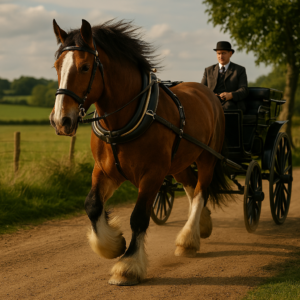
4. Clydesdale
Why It’s in the Top Five Horse List
Clydesdales are gentle giants. Originally bred for heavy farm work, they are now popular in parades and promotional events.
Key Traits
- Large size
- Feathered legs
- Calm personality
- Strong pulling power
Best For
- Carriage driving
- Farm work
- Ceremonial events
Practical Advice
Due to their large size, they require more feed and space than average horses. Stable infrastructure must accommodate their size.
Challenge
Higher maintenance cost due to size and hoof care needs.
5. Appaloosa
Why It’s One of the Top Five Horse Breeds
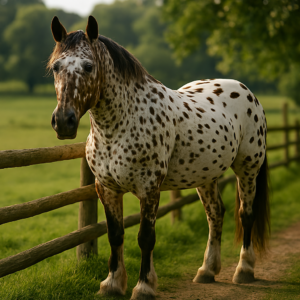
Appaloosas are known for their colorful spotted coats and versatility.
Key Traits
- Unique spotted coat
- Strong endurance
- Friendly personality
- Good for families
Best For
- Trail riding
- Western events
- Family horses
Expert Insight
Appaloosas are generally dependable and adaptable. Many first-time owners appreciate their balanced temperament.
Challenge
Some Appaloosas may develop eye issues like uveitis, so regular veterinary check-ups are essential.
Comparing the Top Five Horse Breeds
| Breed | Best For | Temperament | Beginner Friendly |
|---|---|---|---|
| Quarter Horse | Ranch & Western | Calm | Yes |
| Arabian | Endurance | Sensitive | No |
| Thoroughbred | Racing | Energetic | No |
| Clydesdale | Driving | Gentle | Yes (with guidance) |
| Appaloosa | Family Riding | Friendly | Yes |
Common Questions About the Top Five Horse Breeds
1. Which is the best Top Five Horse for beginners?
The American Quarter Horse and Appaloosa are usually best for beginners.
2. Which horse is fastest?
Thoroughbreds dominate flat racing due to their speed.
3. Which breed is most expensive?
Prices vary, but racing Thoroughbreds and show Arabians can be expensive due to training and pedigree.
4. Which horse requires the most maintenance?
Clydesdales require more feed and stable space due to their size.
Key Considerations Before Choosing a Top Five Horse
Choosing a horse isn’t just about popularity. Consider:
- Riding goals
- Experience level
- Budget
- Stable space
- Time for daily care
According to the American Association of Equine Practitioners, regular veterinary care, proper nutrition, and preventive health management are essential for all breeds.
Challenges Horse Owners Face
1. High Maintenance Costs
Feed, veterinary care, farrier services, and boarding can be expensive.
2. Time Commitment
Horses require daily attention and exercise.
3. Behavioral Issues
Improper training may cause behavioral problems.
Solution
- Invest in professional training
- Follow consistent routines
- Provide mental stimulation
Practical Tips for New Owners
- Start with riding lessons before buying.
- Consult experienced trainers.
- Always schedule a pre-purchase veterinary exam.
- Budget for unexpected expenses.
- Match temperament with skill level.
The History Behind the Top Five Horse Breeds
Understanding the history of the Top Five Horse Breeds adds depth and context to why these horses are so respected today.
The American Quarter Horse developed in early America for sprinting short distances in quarter-mile races—hence the name. Their agility made them essential for cattle ranching.
The Arabian horse dates back over 4,000 years to the Arabian Peninsula. Bedouin tribes prized them for endurance and loyalty. Their bloodlines have influenced almost every modern horse breed.
The Thoroughbred originated in 17th-century England by crossing native mares with imported Arabian stallions. This careful breeding created one of the fastest horses in the world.
The Clydesdale came from Scotland and was bred for heavy farm labor. Their strength and calm temperament made them reliable draft horses.
The Appaloosa traces back to the Nez Perce tribe in North America, who selectively bred them for stamina, intelligence, and distinctive spotted coats.
Learning about these origins helps you appreciate not only their physical traits but also their inherited behavior patterns.
Health Considerations for the Top Five Horse Breeds
Every horse breed has unique health tendencies. As an equine enthusiast who regularly consults veterinarians and trainers, I always emphasize preventive care.
Common Health Issues
- Quarter Horses: May develop HYPP (Hyperkalemic Periodic Paralysis) in certain bloodlines.
- Arabians: Prone to genetic conditions like SCID (Severe Combined Immunodeficiency).
- Thoroughbreds: Susceptible to tendon injuries due to racing strain.
- Clydesdales: Can experience chronic progressive lymphedema.
- Appaloosas: Higher risk of equine recurrent uveitis (moon blindness).
According to the American Veterinary Medical Association, routine vaccinations, deworming, dental exams, and early genetic screening significantly reduce long-term health risks.
Practical Tip
Always request medical history and genetic testing results before purchasing a horse. Prevention saves thousands in veterinary expenses later.
Feeding and Nutrition Differences
Nutrition plays a vital role in maintaining the performance and longevity of the Top Five Horse Breeds.
Quarter Horse & Appaloosa
These breeds often maintain weight easily. Overfeeding grain can cause obesity or metabolic issues. A forage-based diet works best.
Arabian
Arabians typically have efficient metabolisms. They require balanced protein but not excessive calories.
Thoroughbred
Due to their athletic build, Thoroughbreds may require higher-calorie diets, especially if active in competition.
Clydesdale
Because of their large size, they consume significantly more hay and feed. Budget planning is essential.
Feeding Advice
- Always prioritize high-quality hay
- Provide fresh water 24/7
- Adjust grain according to workload
- Consult an equine nutritionist when needed
Training Differences Among the Top Five Horse Breeds
Each breed learns differently due to temperament and genetic background.
Quarter Horse
Quick learners. Respond well to consistent cues.
Arabian
Highly intelligent but emotionally sensitive. Harsh training can damage trust.
Thoroughbred
Need structured retraining if coming from racing backgrounds.
Clydesdale
Patient but slower to mature physically.
Appaloosa
Balanced temperament, suitable for gradual training progression.
Expert Advice
Consistency matters more than intensity. Short, regular training sessions yield better results than occasional long sessions.
Cost Breakdown of Owning a Top Five Horse
Many people underestimate the cost of horse ownership. Here’s a realistic estimate:
- Boarding: $300–$1,000 per month
- Feed & Supplements: $100–$300
- Farrier: $50–$200 every 6–8 weeks
- Veterinary Care: $500–$2,000 annually
- Equipment: $1,000+ initial investment
Clydesdales generally cost more due to feed quantity and specialized equipment.
Before purchasing any horse from the Top Five Horse Breeds, create a yearly financial plan.
How to Choose the Right Breed for Your Lifestyle
Ask yourself:
- Are you riding competitively or recreationally?
- Do you prefer calm or energetic horses?
- Do you have enough land or boarding options?
- What is your experience level?
For example:
A beginner with limited time may thrive with a Quarter Horse or Appaloosa.
An endurance competitor may prefer an Arabian.
A racing enthusiast will lean toward a Thoroughbred.
Matching lifestyle with breed ensures long-term satisfaction.
Environmental and Climate Adaptability
Different breeds adapt differently to climates.
- Arabians tolerate hot, dry climates well.
- Clydesdales prefer cooler environments.
- Quarter Horses and Appaloosas adapt easily across climates.
- Thoroughbreds may need blanketing in colder regions.
Understanding your local climate helps prevent stress and health issues.
Ethical Breeding and Responsible Ownership
Responsible ownership extends beyond choosing one of the Top Five Horse Breeds.
Look for:
- Reputable breeders
- Transparent health records
- Ethical breeding standards
- Proper early handling of foals
Avoid impulse buying. Spend time interacting with the horse before purchase.
The Emotional Bond Between Horse and Owner
One often-overlooked factor is emotional compatibility. Horses are intelligent, social animals.
Quarter Horses build trust quickly.
Arabians form deep bonds with consistent handlers.
Clydesdales are affectionate and gentle.
Appaloosas are loyal and adaptable.
Thoroughbreds often connect strongly with confident riders.
Building trust requires patience, daily interaction, and positive reinforcement.
Final Thoughts on the Top Five Horse Breeds
The Top Five Horse Breeds — American Quarter Horse, Arabian, Thoroughbred, Clydesdale, and Appaloosa — represent versatility, history, performance, and companionship.
Each breed has unique strengths:
- Quarter Horse: Reliability
- Arabian: Endurance
- Thoroughbred: Speed
- Clydesdale: Strength
- Appaloosa: Versatility
Choosing the right one depends on your goals, skill level, environment, and financial readiness.
Horse ownership is a rewarding journey filled with responsibility, learning, and connection. With proper research, guidance, and care, any of these top five breeds can become a lifelong companion.
If you want to deepen your knowledge, continue exploring equine care, training methods, and breed-specific management strategies to ensure your horse thrives for years to come.
Understanding the Top Five Horse Breeds helps you make an informed decision whether you’re buying, riding, or simply learning about horses. The American Quarter Horse, Arabian, Thoroughbred, Clydesdale, and Appaloosa each offer unique strengths.
Choosing the right horse depends on your goals, experience, and resources. If you’re just starting your journey, educate yourself thoroughly, connect with experienced trainers, and explore more equine care resources.
Ready to take the next step? Continue learning about horse ownership, training, and equine health to ensure a rewarding and responsible horse ownership experience.
