
Teddy Bear Cat: Everything You Should Know
Introduction
If you’re searching for a feline companion that brings cuddly comfort, plush looks, and a friendly temperament, then the teddy bear cat is a concept worth understanding. In this article, we’ll dive into what a “teddy bear cat” means, why this term matters to cat owners and prospective pet parents, and how to evaluate whether a cat described in this way truly fits your lifestyle. With years of experience as a feline behaviour consultant and cat-care advisor, I’ve helped many families select the right cat breed and understand their unique needs. My aim here is to give you clear, trustworthy, and practical guidance so you can make an informed decision. If you’ve ever seen a cat with a white coat beautifully blended with patches of colour—black, orange, grey, or brown—you’ve likely admired a piebald cat.
What Is the Teddy Bear Cat & Why It Matters
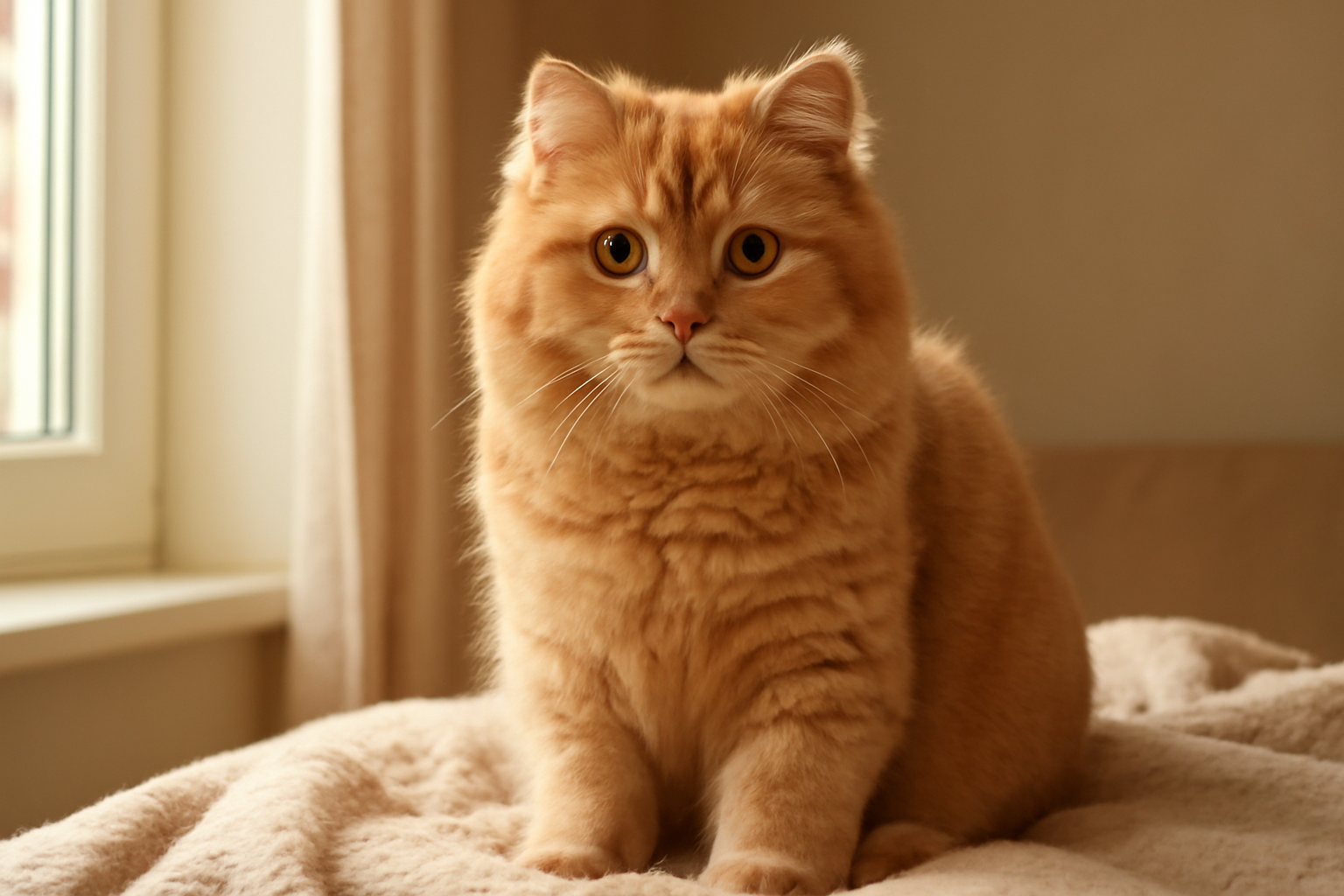
The term “teddy bear cat” doesn’t refer to a single, officially recognised cat breed in most registries. Rather, it is a popular descriptive phrase used by breeders and cat lovers to describe cats with a plush bear-like appearance—round faces, big eyes, thick coats—and a gentle, cuddly temperament.
Some breed examples commonly associated with the “teddy bear cat” look include the British Shorthair (nick-named “teddy bear of the feline world”), the RagaMuffin (described as “like teddy bears that purr”), and long-haired variants or designer mixes whose appearance emphasises plush fur and a stuffed-toy vibe.
Why this matters:
- Many cat adopters or buyers search for “cute,” “plush,” or “cuddly” cats, and the term “teddy bear cat” guides expectations around appearance and personality.
- Understanding what this descriptor actually implies helps you evaluate health, temperament, care needs, and suitability rather than being misled by appearance alone.
- Because such cats often attract owners wanting affectionate, lap-loving pets, aligning expectations is vital for long-term satisfaction and animal welfare.
Characteristics & Core Traits
In my warm-up consultations with cat owners, I always highlight the key traits to look for in any cat labelled as a “teddy bear cat.”
Appearance & Build
- Plush coat: These cats often boast a dense, soft coat—short to medium length (in breeds like British Shorthair) or long and fluffy (in designer or long-haired variants). The British Shorthair’s dense undercoat gives it the “teddy bear” feel. (petrebels.com)
- Round face & large eyes: A rounder skull, chubby cheeks, and big expressive eyes contribute to the teddy-toy aesthetic. For example, the British Shorthair is described as “often resembling a sturdy teddy bear” because of its rounded features.
- Plush body: Typically, a stocky or well-built body (not wafer-thin), so the cat feels substantial in your arms.
- Colour & texture variations: While the appearance is important, the “teddy bear” label is more about feel and visual impression rather than specific colour or pattern.
Temperament & Personality
From my years working with such cats, here are temperament trends:
- Gentle and affectionate: Many “teddy bear”-type cats are known for their calm, friendly demeanour. For instance, RagaMuffins are described as having “sweet personalities and plush coats”, making them ideal for pet owners.
- Moderate activity: They often enjoy play but are not extremely high-energy cats. Some may be more laid-back than highly active or demanding breeds.
- Lap-friendly: The teddy bear aesthetic pairs nicely with lap-loving behaviour—many owners report bonding easily and enjoying grooming/cuddling sessions.
- Adaptable to family life: Many of these cats do well with families, other pets or moderately busy households—as long as basic care and socialisation are handled.
Health & Lifespan
Being aware of health considerations is key for any cat, including those described as “teddy bear cats.”
- For example, flat-faced or “smushed” face breeds carry health risk: According to PetMD, flat-faced breeds (including British Shorthair) may have unique anatomy that causes issues. (PetMD)
- Ensure you select reputable breeders if you are going for a designer or rare variant—check health clearances, vet records, coat and eye conditions.
- Typical lifespan for sturdy breeds like British Shorthair can be 12-16 years with good care. (The Spruce Pets)
Common Questions & Answers
Here are some of the most frequently asked questions I hear — with straightforward responses based on my experience.
Q1: Is “teddy bear cat” a specific breed?
A: No, not always. “Teddy bear cat” is more of a descriptive phrase than a formal breed name. Some breeders may market certain cats as “teddy bear Persians” or “teddy bear RagaMuffins,” but you always need to ask: what breed, what lineage, what health checks? For example, the term “teddy bear” is often used for chocolate-Persian crosses called “Teddy Bear Persians.”
Q2: Are teddy bear cats hypoallergenic or low-maintenance?
A: Not necessarily. The plush coat-look often means more grooming. For example, long or dense fur will require brushing and may shed more. If you are concerned about allergies or maintenance, check coat length and shedding potential.
Tip: Ask breeders about coat care, grooming schedule, and shedding profile.
Q3: Are these cats good for families with children and other pets?
A: Generally, yes—many “teddy bear” type cats have friendly, calm temperaments. But like any pet, they still need gentle introductions, socialisation, and supervision around small children or other pets.
Tip: Arrange meetings, ask prior homes about behaviour, and ensure early socialisation.
Q4: What are the key care and grooming needs?
A: Because these cats look plush:
- For short/medium coat (e.g., British Shorthair): weekly brushing, occasional baths, regular nail/ear checks.
- For longer coat variants: more frequent brushing (3-4 times/week), watch out for mats, consider professional grooming sessions.
- Regular vet checkups, weight monitoring, and dental care.
- Provide enrichment and play—not just cuddles.
Deeper Dive: Key Aspects & Practical Tips
Here I offer actionable advice based on my years of feline consultancy.
Choosing the Right “Teddy Bear Cat” for Your Home
- Assess home space & lifestyle: If you live in a small apartment and have little time for grooming, a short-coated variant (like a British Shorthair) may be better than a long-fluffy designer.
- Check breeder credentials: Ask for documented health clearances (hip/elbow, eyes, coat issues), proof of lineage if applicable, and references from previous owners.
- Meet the parent cats (if possible): Their temperament often suggests what you will get. A calm, friendly “teddy bear” parent usually yields similar offspring.
- Match expectations: Want a cuddly lap cat? Ensure the personality fits. Want a playful, energetic cat? Make sure the specific breed variant supports that.
Grooming & Daily Care
- For plush cats: schedule grooming sessions (brushing, combing, fluff-check) and plan for seasonal shedding.
- Use high-quality grooming tools: undercoat rake, slicker brush, and de-shedding tool.
- Establish a teeth/ear/nail care routine from the kitten stage to avoid stress later.
- Provide cosy spots, cat trees, interactive toys—even cuddly cats benefit from activity and mental stimulation.
Health & Wellness
- Keep track of weight: Plush cats often carry extra fluff and may appear larger—monitor weight carefully because overweight cats risk joint and heart issues.
- Establish regular vet routines: e.g., annual wellness visits, dental check, coat/skin evaluation.
- Monitor for breed-specific health issues if applicable (especially if the cat is a designer cross).
- Indoor enrichment is important: many “teddy bear cats” may prefer comfort but still need mental and physical activity to stay healthy.
Behaviour & Socialisation
- Start from kittenhood: introduce new people, pets, and sounds. A “teddy bear cat” should be relaxed and comfortable in the home environment.
- Use positive reinforcement: reward calm, friendly behaviour; avoid punishing independent or quiet behaviour (many plush-look cats are less vocal but very attached).
- Provide safe spaces: even calm cats appreciate a hiding place or perch for when they want quiet.
Challenges & Suggested Solutions
Even a seemingly ideal “teddy bear cat” can come with issues if appeal blinds expectations. Here are common pitfalls and how to handle them:
Challenge: The appearance matches, but the temperament doesn’t.
Solution: Spend time before purchase with the kitten/young cat, observe how it interacts, and ask for behaviour history. A plush coat doesn’t guarantee a lap-friendly personality.
Challenge: Under-estimating grooming needs.
Solution: Be realistic — if you hate brushing, a long-haired plush cat may become a burden. Choose a short/medium plush coat instead, or commit to a rooming routine.
Challenge: Mistaking “cute” marketing for healthy breeding.
Solution: Always verify health records, visit the breeder, ask about parent cats, and ask for a guarantee/contract. Avoid breeders focused purely on the “teddy bear” look.
Challenge: Over-attachment of the owner to “toy-like” appearance leads to neglect of normal cat behaviour.
Solution: Treat your cat as a living being with needs—not a stuffed toy. Provide enrichment, adjust expectations for cat behaviour (not dog behaviour).
Real-Life Example
A family I consulted adopted a British Shorthair marketed as “teddy bear cat”— they loved the look. They had a busy household with two school-age children and some other pets. Because they chose a calm, robust breed with a moderate activity level, and invested in weekly brushing and grooming, the cat settled in well.
By contrast, a second case involved a long-haired designer “teddy bear Persian mix” in a busy urban flat. The high grooming needs and shedding became a burden, and the cat developed coat mats, which required professional grooming. This emphasises: matching the specific variant and care commitment matters.
Conclusion
In summary: if you’re drawn to the “teddy bear cat” concept—plush looks, cuddly vibe, rounded face and soft fur—there is much to love. But your success with such a companion depends on making informed choices, matching personality, grooming needs, health expectations and lifestyle alignment.
Key takeaways:
- “Teddy bear cat” is a descriptive term—not a single breed—so understand what variant you are considering.
- Look for good temperament, reputable breeding, and healthy lineage.
- Ensure you are prepared for grooming, health care and enrichment.
- Match the cat’s needs to your environment, schedule and family dynamic.
If you’re ready to explore further, start by comparing the major breeds described above, visiting breeders or adoption centres, and asking the right questions. And if you’d like help identifying which “teddy bear cat” variant aligns best with your home, or setting up a grooming and care plan—feel free to reach out. I’m here to help you find a fluffy, loving feline companion you’ll enjoy for years.
External Resources & Trusted Links
- The Spruce Pets – British Shorthair: Cat Breed Profile, Characteristics & Care (The Spruce Pets)
- HowStuffWorks – RagaMuffin Cat Breed: Like a Feline Teddy Bear (HowStuffWorks)
- The International Cat Association (TICA) – British Shorthair Breed Standard (TICA – The International Cat Association)
