
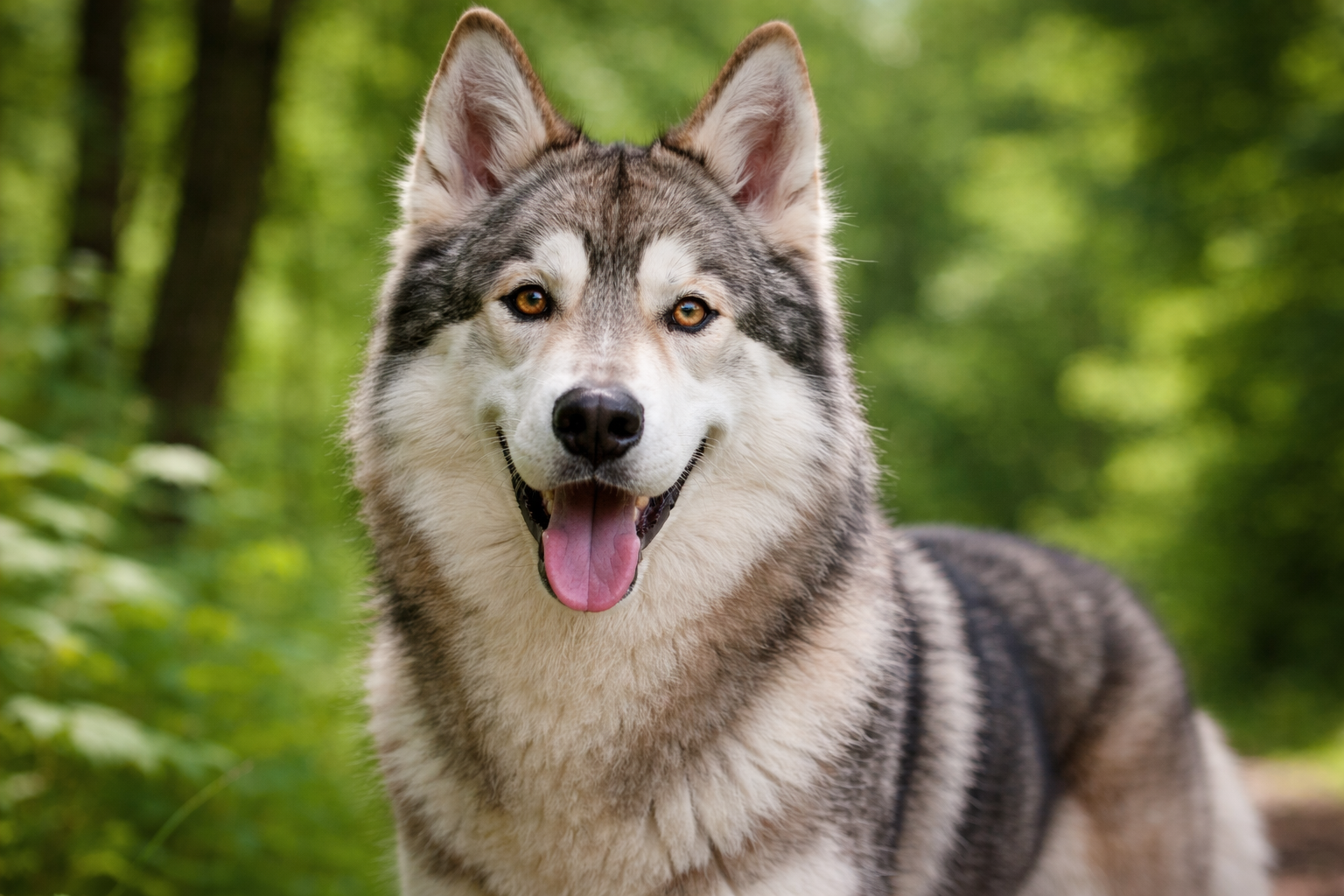
Introduction: What Is a Tamaskan Dog and Why Does It Matter
The Tamaskan Dog is a striking, wolf-like domestic dog breed that has gained popularity among dog lovers who admire the appearance of wolves but want a loyal, trainable, family-friendly companion. With its piercing eyes, thick double coat, and athletic build, the Tamaskan Dog often turns heads and sparks curiosity wherever it goes.
As someone who has spent years researching dog breeds, working closely with large working dogs, and analyzing real-life owner experiences, I’ve seen how misunderstood wolf-look breeds can be. Many people confuse Tamaskan Dogs with wolfdogs, assume they are aggressive, or underestimate their care needs. This article aims to clear those misconceptions and provide accurate, experience-based, and trustworthy information.
Whether you’re considering adopting a Tamaskan Dog, researching breeds, or simply fascinated by wolf-like dogs, this in-depth guide will help you understand what makes the Tamaskan Dog unique, challenging, and rewarding.
What Is a Tamaskan Dog?
This is a domesticated dog breed developed to resemble a wolf, without having recent wolf ancestry. It is not a wild hybrid; instead, it was created through the selective breeding of northern working dog breeds.
Key Facts About the Tamaskan Dog
- Origin: Finland & United Kingdom
- Breed type: Working / Companion
- Appearance: Wolf-like
- Temperament: Intelligent, social, loyal
- Wolf content: None (not a wolfdog)
They were intentionally bred to combine the appearance of a wolf with the temperament of a family dog, making them suitable for active households.
History and Origin of the Tamaskan Dog
This breed was developed in the late 20th century, primarily in Finland and the UK. Breeders used dogs with wolf-like appearances, including:
- Siberian Husky
- Alaskan Malamute
- German Shepherd
- Czechoslovakian Wolfdog-type lines (domestic lines only)
The goal was not aggression or dominance, but:
- Stable temperament
- Trainability
- Health
- Consistent wolf-like appearance
Tamaskan Dog Appearance and Physical Characteristics
Size and Build
This is a large, athletic dog.
- Height: 24–28 inches
- Weight: 55–88 pounds
- Body: Lean, muscular, balanced
Coat and Colors
They have a thick double coat, ideal for cold climates.
Common colors include:
- Wolf gray
- Red gray
- Black gray
Their coat patterns closely mimic real wolves, which often leads to mistaken identity.
Eyes and Expression
- Eye colors: Brown, amber, yellow
- Expression: Alert, intelligent, calm
Tamaskan Dog Temperament and Personality
One of the most important aspects of the Tamaskan Dog is its temperament.
Core Personality Traits
- Highly intelligent
- Social and people-oriented
- Loyal and affectionate
- Calm indoors (with enough exercise)
- Not aggressive by nature
From real owner experiences, These Dogs form deep emotional bonds with their families. Unlike some primitive breeds, they actively seek human companionship.
Are Tamaskan Dogs Aggressive?
No. They are not aggressive when properly trained and socialized. They are typically:
- Friendly with strangers
- Gentle with children
- Non-territorial
However, poor socialization or neglect can cause anxiety or destructive behavior.
Tamaskan Dog vs Wolfdog: Clearing the Confusion
One of the most common questions is:
Is a Tamaskan Dog a wolfdog?
The answer is no.
| Feature | Tamaskan Dog | Wolfdog |
|---|---|---|
| Wolf DNA | None | Present |
| Legal issues | Minimal | Often restricted |
| Temperament | Predictable | Unpredictable |
| Family suitability | High | Low to moderate |
This distinction matters because wolfdogs often require special permits and are not suitable for most homes.
Training a Tamaskan Dog: What to Expect
Intelligence Level
They are extremely intelligent, which can be both a blessing and a challenge.
Common Training Challenges
- Boredom-related behavior
- Independence
- Sensitivity to harsh methods
Practical Training Tips (Experience-Based)
- Start training early
- Use positive reinforcement only
- Include mental stimulation daily
- Avoid repetitive drills
- Socialize with people and dogs
Exercise Needs of a Tamaskan Dog
They are high-energy working dogs.
Daily Exercise Requirement
- 1.5–2.5 hours per day
Best Activities
- Long hikes
- Running
- Canicross
- Obedience training
- Scent work
Without enough exercise, Tamaskan Dogs may:
- Chew furniture
- Dig excessively
- Become anxious
Grooming and Shedding
Shedding Level
High. They shed year-round and blow their coat twice a year.
Grooming Tips
- Brush 2–3 times per week
- Daily brushing during the shedding season
- Bathe only when needed
- Never shave the coat
Health and Lifespan of the Tamaskan Dog
These Dogs are generally healthy due to responsible breeding practices.
Common Health Concerns
- Hip dysplasia
- Degenerative myelopathy (rare)
- Epilepsy (rare lines)
Lifespan
- 12–15 years
Health Advice From Experience
Always choose breeders who:
- Perform hip and elbow testing
- Share full lineage records
- Avoid breeding for looks alone
🔗 Veterinary source:
https://www.vet.cornell.edu/
Diet and Nutrition for Tamaskan Dogs
Ideal Diet
- High-quality protein
- Balanced fats
- Omega-3 for coat health
Many of them do well on:
- Premium kibble
- Raw or fresh diets (vet-approved)
Feeding Tip
These Dogs have efficient metabolism—overfeeding can cause obesity even in active dogs.
Is the Tamaskan Dog Good for Families?
Yes—With the Right Lifestyle
These Dogs are excellent family companions if:
- The family is active
- Time is available for training
- Space is adequate
They may not be suitable for:
- Small apartments
- Sedentary households
- Owners with little dog experience
Living Environment: Apartment or House?
- Best suited for homes with yards
- Can adapt to apartments with enough exercise
- Needs secure fencing
They are escape artists when bored, so mental engagement is critical.
Legal Status and Recognition
This Dog is:
- Not recognized by AKC
- Recognized by independent registries
- Legal in most countries
Because it is not a wolfdog, it avoids breed-specific bans in most regions.
Common Myths About the Tamaskan Dog
These Dogs are wolves
These Dogs are dangerous
These Dogs can’t be trained
Truth: They are intelligent, social, and loyal domestic dogs.
Should You Get a Tamaskan Dog?
Ask yourself:
- Can I exercise daily?
- Can I commit to training?
- Do I enjoy intelligent, active dogs?
If yes, they may be a perfect match.
Conclusion: Is the Tamaskan Dog Right for You?
This is a powerful combination of beauty, intelligence, and companionship. While its wolf-like appearance draws attention, its true value lies in its loyalty, emotional intelligence, and adaptability.
This breed is not for everyone—but for the right owner, this dog becomes a deeply bonded, life-changing companion. Continue learning, connect with ethical breeders or rescues, and always prioritize responsible ownership.
Many people believe that they require little exercise due to their calm demeanor at home, but they actually need significant physical and mental stimulation daily to thrive.
There is a common misconception that they are aggressive like wolfdogs, yet their temperament is predictable and family-friendly when properly trained and socialized. Some owners think that grooming is not essential for Tamaskan Dogs because of their tough coat, but regular brushing is crucial to manage shedding and keep their coat healthy.
If you want more guidance on choosing the right dog, training strategies, or breed comparisons, feel free to explore more resources or reach out for expert help.
