
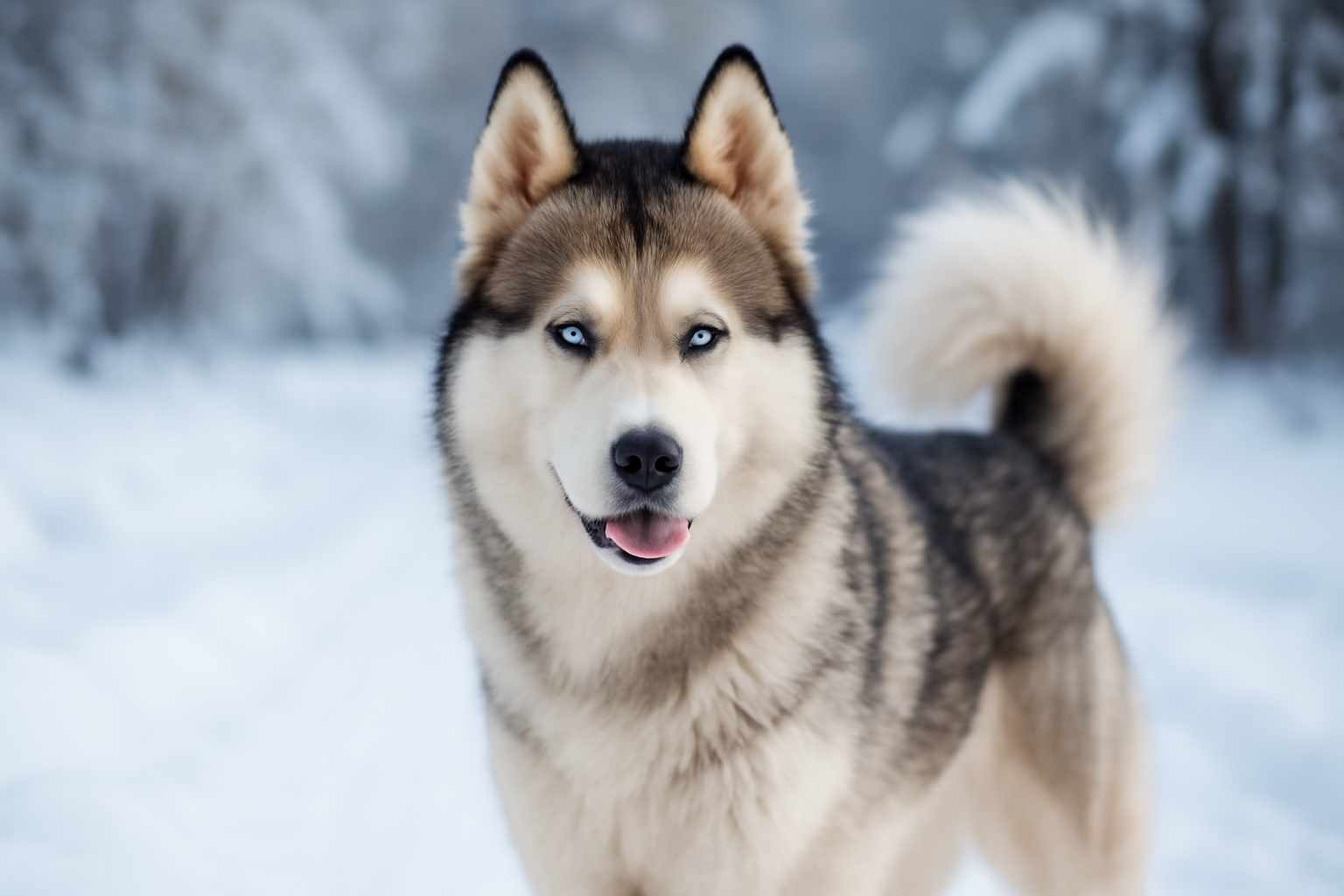
Snow Dog: A Comprehensive Guide to Understanding This Incredible Breed
Snow dogs are more than just beautiful, snowy companions; they are hardy, loyal, and versatile dogs that have been bred to thrive in cold, harsh environments. Whether you’re considering adopting one or simply want to learn more, this guide will help you understand what makes snow dogs so special and why they are such a beloved breed for people living in colder climates.
As someone with deep experience in animal behavior and a passion for understanding different dog breeds, I’ll provide a detailed and insightful article on snow dogs. In this piece, I’ll break down the unique characteristics of snow dogs, their history, their needs, and the best practices for caring for them. Let’s dive in!
About this Dog?
A “snow dog” is typically a term used to describe certain dog breeds that have been bred to work in snowy, icy conditions. These breeds are often built for endurance and strength, making them ideal for activities like sledding, herding, and pulling heavy loads in cold climates. Some of the most common snow dogs include the Siberian Husky, Alaskan Malamute, Samoyed, and Bernese Mountain Dog.
These dogs share certain characteristics, such as thick fur coats, strong stamina, and a love for cold weather. Snow dogs are also known for their friendly, affectionate nature, making them wonderful companions, though their high energy levels and specific care needs can be challenging. Every dog can be trained very easily.
History of Snow Dogs
The history of these dogs is rooted in the harsh environments of northern regions like Siberia, Alaska, and the Arctic. These breeds were initially developed by indigenous people who needed dogs capable of pulling sleds over long distances in freezing temperatures.
For instance:
- Siberian Huskies were originally bred by the Chukchi people of Siberia to pull sleds for long distances, often over tundra.
- Alaskan Malamutes were used by Arctic explorers and Eskimo tribes to haul heavy freight, especially in the rugged terrain of Alaska.
- Samoyeds originated from Siberian nomads, known for their herding skills and ability to work in extreme cold.
- Bernese Mountain Dogs are native to the Swiss Alps and were bred for herding and pulling carts in mountainous, snowy regions.
These breeds’ natural abilities to withstand freezing temperatures and perform tough tasks under harsh conditions made them invaluable to early human settlers in northern regions.
Key Characteristics of Snow Dogs
Snow dogs are known for several key features that help them thrive in cold weather:
- Thick Fur Coats: Snow dogs have dense, double-layer coats that protect them from the freezing temperatures. The undercoat is soft and insulating, while the outer coat is longer and coarser to repel snow and water.
- Stamina and Endurance: These dogs were bred for long-distance travel. They have strong muscles and great stamina, which allows them to pull sleds, carry loads, and endure cold, exhausting journeys.
- Independent and Strong-Willed: Many snow dog breeds are independent thinkers, which makes them excellent working dogs. However, their strong will and intelligence can sometimes make them challenging to train, so consistency and patience are key when it comes to training.
- Affectionate and Friendly: Despite their working origins, snow dogs are generally friendly and affectionate. They are known to be good with families, including children, and are often very social.
- Good Health and Lifespan: In general, snow dogs are healthy and hardy breeds, living anywhere from 10 to 15 years, depending on the breed and care they receive. However, they are prone to certain health issues, including hip dysplasia, eye problems, and breathing difficulties (especially in hot climates).
The Best Practices for Caring for Snow Dogs
Snow dogs are amazing companions, but they require specific care to keep them happy and healthy. Here are some essential tips for snow dog owners:
1. Provide Plenty of Exercise
Snow dogs have tons of energy. They need daily physical activity, such as running, hiking, or pulling a sled (for those who have experience and the right equipment). If you live in a snowy area, try to allow them to run and play in the snow.
2. Keep Them Cool in Warm Weather
Despite their thick coats, snow dogs can struggle in hot weather. It’s essential to keep them cool, especially during the summer months. Ensure they have access to plenty of water and avoid long walks or runs during the heat of the day. Consider trimming their coat or using cooling mats during warmer months.
3. Grooming and Maintenance
Regular grooming is important to keep your snow dog’s coat in good condition. Their thick undercoats can become matted, which can lead to skin problems. Brushing your dog a few times a week will help maintain a healthy coat and prevent matting. Additionally, snow dogs shed heavily during the shedding seasons, so prepare for more frequent grooming sessions.
4. Proper Diet and Nutrition
Snow dogs require a high-protein diet to maintain their energy levels. Opt for a balanced diet with plenty of meat, healthy fats, and fiber. If your snow dog is very active or working, you might need to increase their caloric intake.
5. Provide Mental Stimulation
Since snow dogs are highly intelligent, they can become bored quickly without proper stimulation. Use puzzle toys, obedience training, and interactive games to engage their minds.
6. Health Monitoring
Because these dogs can be prone to certain health issues, regular vet check-ups are essential. Keep an eye on their weight, joints, eyes, and teeth, and be sure to schedule annual exams.
Common Challenges with Snow Dogs
While these dogs are an incredible breed, there are a few challenges that potential owners should be aware of before adopting one:
1. Training Difficulties
As mentioned earlier, these dogs can be independent and stubborn. While they are highly intelligent, they may not always follow commands without consistent training. Early socialization and positive reinforcement can help mitigate this issue.
2. Shedding and Grooming
The shedding from these dogs, especially during seasonal transitions, can be quite a lot to handle. If you’re not prepared for the level of maintenance their fur requires, this could become overwhelming.
3. High Energy
These dogs require a lot of physical and mental stimulation. If they don’t get enough exercise, they may develop undesirable behaviors, such as excessive barking or destructive chewing.
4. Not Ideal for Hot Climates
If you live in a warm or humid environment, snow dogs might not be the best fit. They can overheat quickly and suffer from heatstroke if not properly cared for in hot weather.
FAQ About These Dogs
- Are these dogs good with families?
Yes, most dog breeds, such as the Siberian Husky and Samoyed, are known to be affectionate and good with children. - Can snow dogs live in warm climates?
These dogs thrive in cold environments, but they can adapt to warmer climates with the right care. However, they should not be over-exercised in the heat. - How much exercise does this dog need?
These dogs require at least one hour of exercise per day and enjoy outdoor activities such as hiking, running, and pulling sleds. - What health problems are common in these dogs?
These dogs are prone to conditions such as hip dysplasia, eye issues (including cataracts and progressive retinal atrophy), and breathing problems, particularly in warmer climates. - Do these dogs shed a lot?
Yes, these dogs shed heavily, particularly during seasonal changes, so grooming is essential to keep their coat healthy.
Conclusion
These dogs are an exceptional breed with a rich history, beautiful traits, and unique needs. From their friendly demeanor to their remarkable stamina, they make great companions for active families who can meet their exercise and grooming needs. If you live in a colder climate and are ready for the challenge of caring for one, a snow dog can become a loyal and rewarding addition to your home.
If you’re looking for more information or advice on caring for snow dogs, feel free to reach out. With the right care and training, these incredible dogs can thrive and become beloved family members.
Useful Links:
