
Introduction: Guide to Personality, Care, and Health
The Siamese cat is one of the most recognizable and emotionally engaging cat breeds in the world. Known for its striking blue eyes, sleek body, and strong attachment to humans, this breed is often chosen by people who want more than a quiet, independent pet. Understanding the Siamese cat is important because its personality, care needs, and behavior are very different from many other cats.
This guide is based on long-standing breed research, real-life ownership patterns, and veterinary-backed knowledge. It provides accurate and practical information to help readers decide whether the Siamese cat is the right companion for their lifestyle.
Origin and History of the Siamese Cat
The Siamese cat originated in Thailand, formerly known as Siam. Historical records and ancient manuscripts show that cats resembling the modern Siamese were kept in royal households and temples. These cats were considered symbols of protection and good fortune.
The breed was introduced to Europe in the late 1800s and quickly gained popularity due to its unique appearance and expressive nature. Over time, careful breeding preserved its intelligence and social temperament while refining its physical traits.
Physical Characteristics of the Siamese Cat
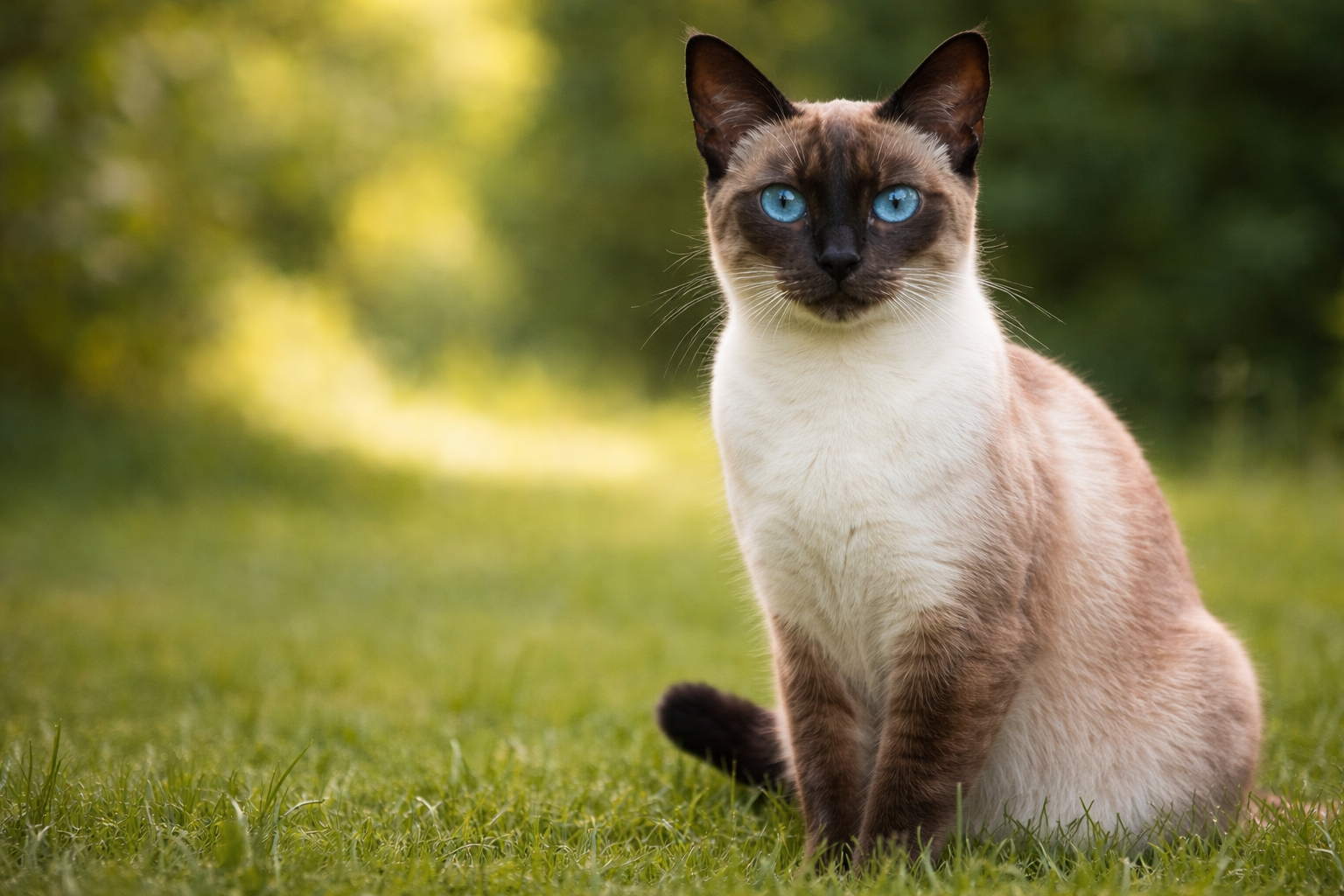
The Siamese cat has a distinctive appearance that sets it apart from other breeds.
Body Structure
This breed has a slim, muscular, and athletic body. Long legs and a graceful posture allow for agility and quick movement.
Coat and Color Pattern
The coat is short, smooth, and low-shedding. The color-point pattern means darker shades appear on the ears, face, paws, and tail, while the body remains lighter. Common color points include seal, blue, chocolate, and lilac.
Eyes
Deep blue, almond-shaped eyes are a defining feature and contribute to the breed’s expressive face.
Head and Ears
A wedge-shaped head and large ears give the Siamese cat its alert and intelligent look.
Personality and Temperament
The Siamese cat is widely known for its strong personality and emotional intelligence.
Highly Social Nature
This breed thrives on human companionship and prefers being involved in daily activities. It often follows its owner around the house and enjoys close interaction.
Vocal Communication
Siamese cats are famously vocal. They use a wide range of sounds to express needs, emotions, and curiosity. This trait makes them engaging but may not suit people who prefer a quiet pet.
Intelligence and Curiosity
The Siamese cat is highly intelligent and learns routines quickly. It enjoys interactive toys, puzzle feeders, and mentally stimulating activities.
Emotional Sensitivity
This breed is very sensitive to changes in routine or environment and responds best to calm, consistent care.
Health and Lifespan
The Siamese cat is generally healthy when bred responsibly and cared for properly.
Average Lifespan
Most Siamese cats live between 15 and 20 years, with many reaching old age in good condition.
Common Health Concerns
Some health issues may occur, including:
- Dental problems
- Respiratory sensitivity
- Amyloidosis (rare but breed-associated)
Regular veterinary checkups and early preventive care greatly reduce risks.
Grooming and Maintenance
Grooming and maintenance are necessary for every pet.
Grooming Needs
The short coat requires minimal grooming. Weekly brushing is enough to remove loose hair and maintain skin health.
Shedding
Compared to long-haired breeds, the Siamese cat sheds very little, making cleaning easier.
Hygiene
Routine nail trimming, ear checks, and dental care support long-term health.
Diet and Nutrition
A balanced, protein-rich diet is essential for maintaining lean muscle mass and energy levels.
- High-quality animal protein supports muscle tone
- Controlled portions prevent weight loss or muscle thinning
- Fresh water should always be available
Avoid overfeeding, as this breed relies on muscle rather than fat for strength.
Exercise and Mental Stimulation
The Siamese cat needs daily physical and mental engagement.
- Interactive toys prevent boredom
- Climbing structures support agility
- Scheduled playtime strengthens owner bonding
Lack of stimulation can lead to stress-related behaviors.
Living Environment and Compatibility
The Siamese cat adapts well to various living environments, including apartments, as long as they receive ample mental stimulation and interaction. They generally get along with respectful children and can coexist with other pets, particularly if introductions are handled gradually.
Apartment Living
This breed adapts well to apartments when mental stimulation and interaction are provided.
Families and Children
Siamese cats usually do well with respectful children who understand gentle handling.
Other Pets
They often enjoy the company of other cats or calm dogs, especially if introduced gradually.
Common Challenges and Practical Solutions
There are certain issues every pet owner can face while adopting a cat. This is very normal, I’m telling you some problems with their solution down there:
Excessive Meowing
Issue: Frequent vocalization
Solution: Increase playtime and interaction to reduce attention-seeking behavior
Separation Stress
Issue: Discomfort when left alone
Solution: Provide enrichment toys or consider a second pet
Destructive Behavior
Issue: Scratching or restlessness
Solution: Offer scratching posts and structured routines
Ethical Breeding and Responsible Ownership
Choosing a responsibly bred Siamese cat or adopting from a reputable rescue is essential. Ethical breeding focuses on health, temperament, and genetic diversity rather than extreme physical traits.
Veterinary organizations emphasize responsible ownership and preventive healthcare as key factors in feline longevity and well-being. Trusted guidance on cat health and care standards is provided by the American Veterinary Medical Association:
https://www.avma.org
Conclusion
The Siamese cat is an intelligent, affectionate, and emotionally responsive breed that thrives in homes where interaction and routine are valued. Its long lifespan, minimal grooming needs, and deep attachment to humans make it a rewarding companion for the right owner. These cats were known as saim before 1939.
For those seeking a cat that offers communication, loyalty, and engagement rather than quiet independence, the Siamese cat remains one of the most fulfilling choices. Proper care, responsible breeding, and consistent attention ensure a healthy and lasting bond.
