
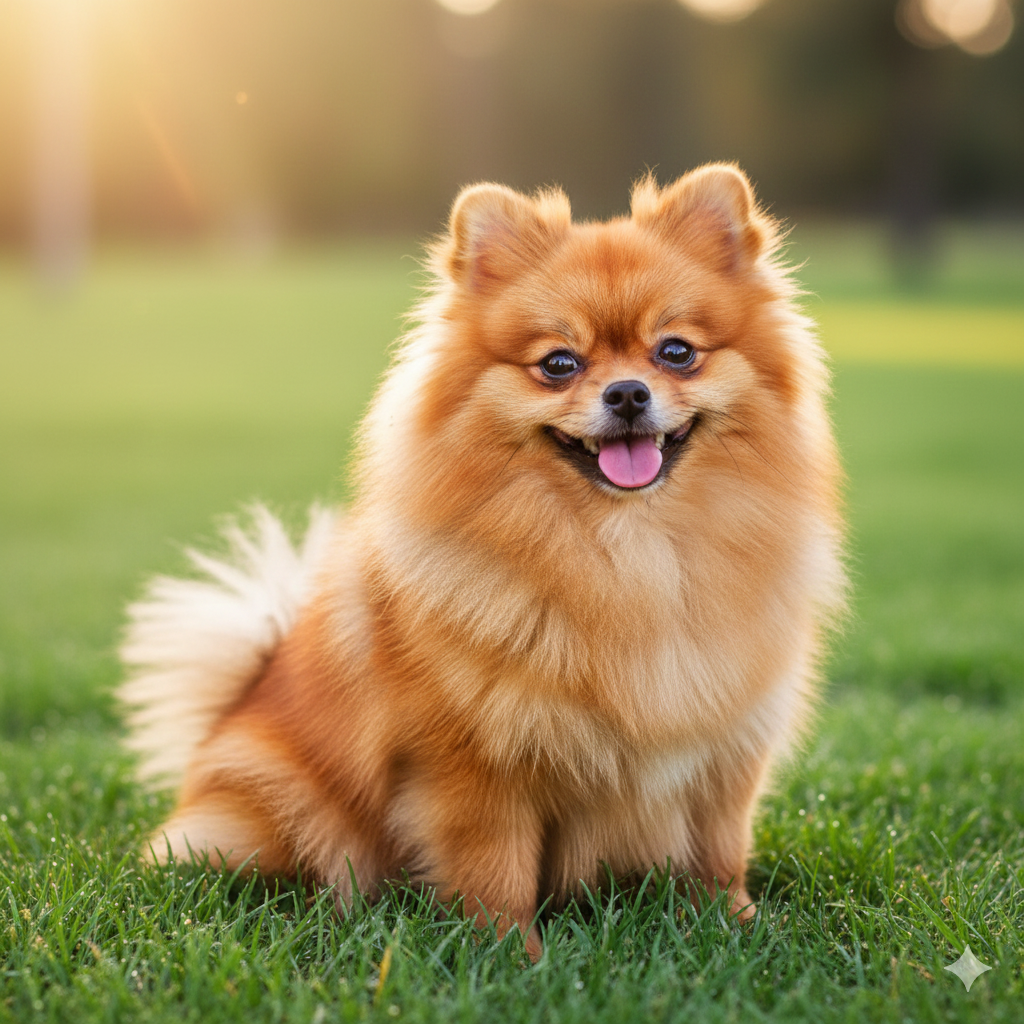
Introduction: What Is the Pomeranian Dog and Why Does It Matter
The Pomeranian dog is a beloved small breed known for its fluffy coat, spirited personality, and big heart inside a tiny frame. Often called “Pom,” this toy breed captures attention with its fox-like face, lively demeanor, and loyal companionship. Whether you’re a first‑time dog owner, a family looking for a friendly pet, or a Pom enthusiast wanting to learn more, understanding this breed matters — because knowledge helps you give your furry friend the best possible life.
As someone with extensive experience working with dog owners and canine experts, I’ve seen how the right information can transform a pet’s life. This comprehensive guide combines expert‑verified facts with practical tips you can trust to become a confident Pom parent.
What Is a Pomeranian Dog? A Detailed Overview
A Pomeranian dog is a toy‑sized breed descended from larger Spitz‑type dogs from the Pomerania region of present‑day Poland and Germany. Although Pomeranians once weighed around 30 pounds, selective breeding — especially popularized by Queen Victoria — created the small companion dogs we know today.
Here are key breed facts you should know:
- Breed Group: Toy dog breed (AKC recognized)
- Size: Typically 3–7 pounds (1–3 kg)
- Height: About 6–9 inches at the shoulder
- Life Expectancy: 12–16 years on average
- Coat: Double coat with a thick undercoat and fluffy outer layer
- Origin: Pomerania in Central Europe
This breed stands out for its remarkable size contrast: a fearless, confident dog packed into a palm‑sized body!
Temperament & Personality: What Makes a Pomeranian Special
Despite their small size, Pomeranians are full of personality. They are often described as:
- Energetic and lively – always ready to play or explore.
- Confident and bold – displaying a “big dog” attitude in a compact body.
- Intelligent and curious – eager to learn new things.
- Alert and vocal – excellent watchdogs who will bark to alert you.
- Affectionate with their family – loyal and attentive companions.
Real Pomeranian owners often remark that their Pom acts like a tiny guardian — protective and chatty, yet affectionate. This mix of traits makes them great companions, but also means they sometimes need proper training to discourage excessive barking.
Grooming & Coat Care
One of the most eye‑catching features of a Pomeranian dog is its double coat — long, fluffy, and soft. However, beautiful fur also means grooming is essential.
Practical Grooming Tips:
- Brush your Pom’s coat at least 2–3 times per week to prevent matting and reduce shedding.
- During heavy shedding seasons, daily brushing helps control loose hair.
- Bathe your Pom every 4–6 weeks with a dog‑friendly shampoo.
- Trim nails every 3–4 weeks and clean ears regularly.
- Avoid shaving their fur; it can disrupt normal hair growth and affect coat health.
Grooming isn’t just about looks — it’s vital for skin health, comfort, and bonding time with your dog.
Feeding & Nutrition
Proper nutrition plays a huge role in keeping your Pomeranian healthy and active. These little dogs have fast metabolisms and small stomachs, so:
- Feed high‑quality small‑breed dog food rich in protein and healthy fats.
- Divide the daily amount into two smaller meals to avoid hypoglycemia (low blood sugar).
- Include nutrient sources for skin and coat health, like omega‑3 fatty acids.
- Treats should be given in moderation to avoid weight gain, which can stress joints.
Always consult your veterinarian on portion sizes — every dog’s needs differ based on age, activity, and health.
Exercise & Training Needs
Pomeranians may be small, but they carry lots of energy. They thrive on short daily walks and interactive play — even indoor games work well.
Training Tips That Work:
- Use positive reinforcement (treats, praise, games). Poms respond best to rewards and encouragement.
- Keep training sessions short and fun to match their attention span.
- Start socialization early, so they’re comfortable with people and pets.
- Teach “quiet” commands to manage barking behavior.
While Pomeranians are smarter than they look, they can be a bit stubborn — so patience and consistency are key.
Common Health Issues & How to Prevent Them
Like all purebred dogs, the Pomeranian dog has some health concerns owners should watch for:
Common Health Conditions
- Patellar luxation (kneecap dislocation)Tracheal collapse — avoid collars that put pressure on their throat.
- Dental issues — due to their small mouths.
- Coat loss (Alopecia X) — a unique condition, especially in soft‑coated lines.
Preventive Care Tips:
- Schedule regular vet checkups with vaccinations and dental cleanings.
- Keep your Pom at a healthy weight.
- Use a harness instead of a collar to protect the trachea.
- Monitor signs of joint discomfort or grooming issues early.
Healthy Poms can live long, active lives — many reaching 12–16 years with good care.
Is a Pomeranian Right for Your Lifestyle?
Pomeranians fit well in many living situations — from apartments to houses — but they’re not the perfect fit for everyone.
Ideal for You If:
- You want a loyal, entertaining companion.
- You enjoy grooming and interactive play.
- You can provide daily engagement and gentle training.
Consider Carefully If:
- You have very young children — supervision is essential due to their small size. You dislike noise — Poms can be vocal.
- You want a low‑maintenance breed — they need regular grooming and attention.
The decision to bring a dog into your home should be made mindfully and based on your lifestyle and commitment.
Frequently Asked Questions (FAQ)
Q: How big does a Pomeranian get?
A: Most adult Pomeranians weigh between 3–7 pounds and stand 6–9 inches tall.
Q: Do Pomeranians bark a lot?
A: Yes — they are alert and vocal. Training and socialization can help reduce unnecessary barking.
Q: Are Pomeranians good with children and other pets?
A: With proper socialization, they can be friendly, but their small size means interactions with young children should always be supervised.
Q: How often should I groom my Pom?
A: Brush at least 2–3 times weekly, and more during shedding season.
American Kennel Club – Pomeranian Breed Info: https://www.akc.org/dog‑breeds/pomeranian/ (American Kennel Club)
Conclusion: Your Journey with a Pomeranian Dog
The Pomeranian dog is more than just a pretty face — it’s a vibrant, affectionate, and intelligent companion that brings joy and energy to the home. Caring for a Pomeranian dog includes regular grooming, proper nutrition, mental stimulation, and loving training. With the right knowledge and preparation, you can provide the perfect environment for your Pom to thrive.
If you’re considering adding a Pomeranian dog to your family, start by assessing your lifestyle, readiness for grooming routines, and commitment to training. Your journey with these delightful dogs will be full of fun moments, loyal companionship, and cherished memories.
In conclusion, the Pomeranian Dog is a delightful companion known for its lively personality and affectionate nature. With their small size and fluffy coats, these dogs make excellent pets for families and individuals alike. They thrive on social interaction and require regular exercise to maintain their health and happiness.
Moreover, their intelligent and trainable nature makes them a joy to have at home. Overall, a Pomeranian Dog can bring joy, love, and companionship to any household.
Want more help? Reach out with specific questions about Pomeranian care, training issues, or preparing your home for a new puppy — I’m here to help!
