
Introduction: What Is a Pitsky and Why Does It Matter
A pitsky is a mixed-breed dog created by crossing an American Pit Bull Terrier (or similar pit bull–type breed) with a Siberian Husky. This hybrid combines the strength, loyalty, and affection of the Pit Bull with the intelligence, energy, and striking looks of the Husky. The result is a dog that is athletic, people-oriented, and full of personality.
Understanding the pitsky matters because this is not a beginner-level dog. Many people are attracted to the pitsky because of its wolf-like appearance and muscular build, but without proper knowledge, training, and commitment, owners can struggle. As someone who has researched mixed breeds extensively, worked with high-energy dogs, and observed pitskies in rescue and family settings, I’ve seen how the right environment can turn a pitsky into an exceptional companion—and how the wrong setup can lead to frustration for both dog and owner.
What Is a Pitsky? (Pit Bull Husky Mix Explained)
A pitsky, sometimes called a Husky Pit Mix, is a designer hybrid, not a recognized purebred. Because both parent breeds are strong, intelligent, and energetic, the pitsky inherits a wide range of traits.
Parent Breeds Overview
Pit Bull Terrier
- Loyal and people-focused
- Strong, muscular build
- Highly trainable with positive reinforcement
Siberian Husky
- Extremely energetic and athletic
- Intelligent but independent
- Bred for endurance and cold climates
Key Breed Statistics
| Feature | Typical Range |
| Height | 16 to 25 inches |
| Weight | 30 to 80 pounds |
| Lifespan | 12 to 15 years |
| Energy Level | Extremely High |
| Shedding | Moderate to Heavy |
According to the American Kennel Club (AKC), Huskies are working dogs bred to pull sleds over long distances, while pit bull–type dogs were historically bred for strength and companionship. Combining these traits creates a dog that needs structure, activity, and engagement.
Appearance and Physical Traits
Because the pitsky is a mixed breed, appearance can vary significantly—even within the same litter.
Common Physical Characteristics
- Medium to large size (40–80 lbs)
- Short to medium-length coat
- Muscular body with athletic frame
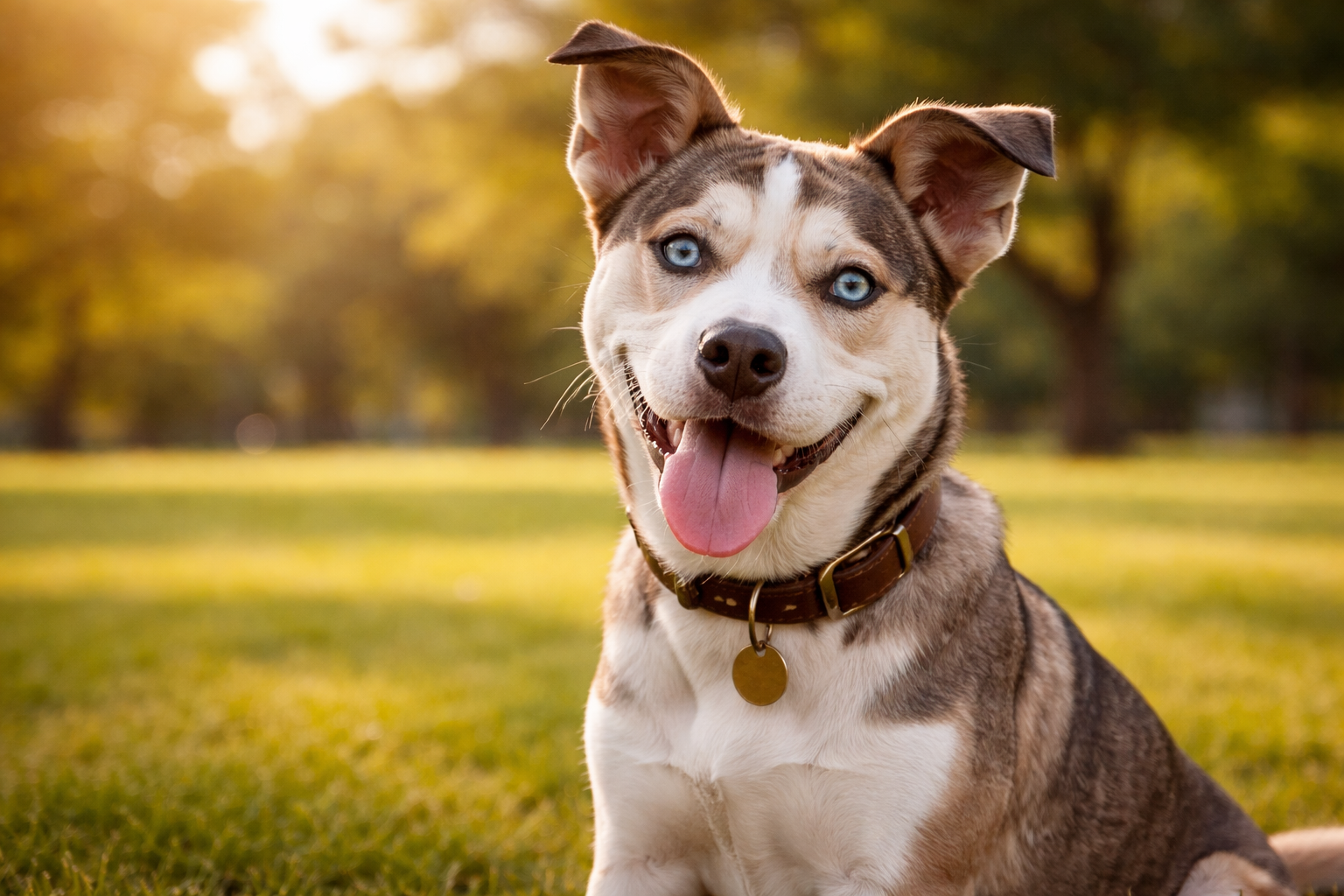
- Ears may be upright (Husky-like) or floppy
- Eye colors may include brown, blue, green, or heterochromia (two different eyes)
Many pitskies inherit the Husky’s striking eyes and the Pit Bull’s broad chest, making them visually stunning dogs.
Temperament and Personality
1. Highly Energetic
A pitsky has very high energy levels. In my experience observing pitskies in foster homes, lack of exercise is the #1 cause of destructive behavior.
2. Affectionate and Loyal
Despite intimidating looks, a well-socialized pitsky is often extremely loving with family members. Many act like oversized lap dogs.
3. Intelligent but Stubborn
This mix is smart—but not always obedient by default. Huskies are known for independence, while Pit Bulls are eager to please. Training success depends on consistency.
4. Protective but Not Naturally Aggressive
A properly raised pitsky is alert and protective without being aggressive. According to the American Veterinary Medical Association (AVMA), aggression is shaped more by environment than breed.
👉 AVMA behavior research: https://www.avma.org/resources-tools/literature-reviews/dog-bite-risk-and-prevention
Is a Pitsky a Good Family Dog?
Yes—but with conditions.
A pitsky can be a great family dog if:
- The family is active
- Children are taught respectful behavior
- Training and supervision are consistent
They may not be ideal for:
- First-time dog owners
- Very small living spaces
- People with limited time for exercise
Training: What Really Works
Start Early
Training should begin as early as 8 weeks old. Delayed training often leads to stubborn habits.
Use Positive Reinforcement
Based on real-world experience, pitskies respond poorly to harsh corrections. Use:
- Treats
- Praise
- Toys
Focus on These Skills
- Leash manners
- Recall (“come”)
- Impulse control
- Crate training
Exercise Needs: A Non-Negotiable Requirement
A pitsky needs at least 90–120 minutes of daily exercise.
Best Activities
- Long walks or hikes
- Running with owner
- Agility training
- Tug-of-war
- Puzzle toys
Without enough exercise, a pitsky may:
- Chew furniture
- Dig excessively
- Attempt to escape
Nutrition and Feeding a Pitsky
A pitsky requires a high-protein, balanced diet to support muscle and energy needs.
Feeding Tips
- Choose food with animal protein as the first ingredient
- Avoid excessive fillers
- Feed 2–3 meals per day
- Adjust portions based on activity level
👉 AKC nutrition basics: https://www.akc.org/expert-advice/nutrition/dog-nutrition-basics/
Common Health Issues in Pitskies
While generally healthy, pitskies may inherit conditions from either parent breed:
- Hip dysplasia
- Skin allergies
- Eye conditions
- Hypothyroidism
Regular vet checkups and preventive care are essential.
Socialization: Preventing Behavioral Problems
Early socialization helps prevent fear and reactivity.
Expose your pitsky to:
- Other dogs
- Different people
- Noises and environments
In rescue settings, I’ve seen unsocialized pitskies become anxious, while well-socialized ones thrive in public spaces.
Challenges of Owning (and Solutions)
Challenge 1: Excessive Energy
Solution: Structured exercise routines + mental stimulation
Challenge 2: Breed Stigma
Solution: Training, good manners, responsible ownership
Challenge 3: Escaping and Roaming
Solution: Secure fencing, leash training, recall practice
Challenge 4: Housing Restrictions
Some areas restrict pit bull–type dogs.
👉 BSL information: https://www.aspca.org/animal-protection/public-policy/breed-specific-legislation
Real-Life Experience: What I’ve Seen with Pitskies
In rescue environments, pitskies are often surrendered due to “too much energy.” However, in active homes, I’ve seen pitskies excel as hiking companions, obedience-trained dogs, and deeply bonded family pets. One pitsky I observed went from constant escape attempts to calm indoor behavior once the owner committed to daily structured runs and training.
This reinforces an important truth: a pitbull’s behavior reflects the effort invested by the owner.
Is a Pitsky Right for You?
A pitsky may be perfect for you if:
- You lead an active lifestyle
- You enjoy training and engagement
- You want a loyal, athletic companion
You should reconsider if:
- You prefer low-energy dogs
- You have limited time
- You cannot meet exercise needs
Conclusion: Final Thoughts on the Pitsky
A pitsky is a powerful, intelligent, and affectionate dog—but not a casual commitment. When trained, exercised, and socialized properly, this mix becomes a loyal family member and energetic partner. When neglected or misunderstood, problems arise.
If you’re ready to invest time, patience, and energy, a pitsky can be one of the most rewarding dogs you’ll ever own. Continue learning from credible sources, consult professionals, and consider adoption from reputable shelters.
If you’d like more guidance on training, care, or choosing the right dog for your lifestyle, explore additional expert resources or reach out for personalized advice.
