
Introduction: What Is an Orange Cat and Why Do They Matter?
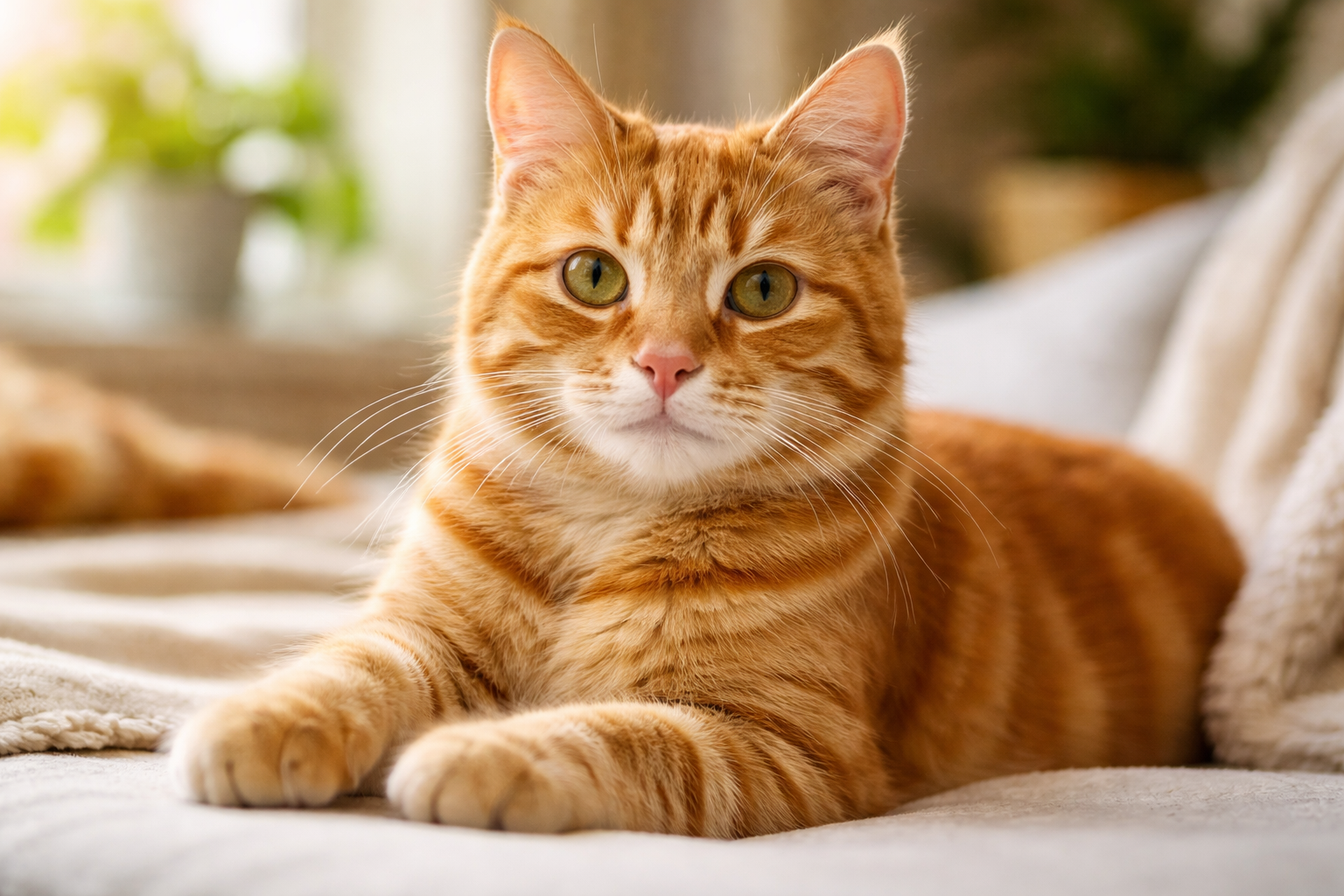
An orange cat—often called a ginger, marmalade, or red tabby cat—is one of the most recognizable and beloved cats in the world. Known for their warm coat color, expressive faces, and famously bold personalities, orange cats hold a special place in homes, shelters, and internet culture alike.
As someone who has spent years researching feline behavior, coat genetics, and pet care—and who has personally cared for and observed multiple orange cats—I’ve seen firsthand why these cats leave such a lasting impression. From their unique genetics to their people-loving nature, they are more than just a pretty coat color; they represent a fascinating mix of biology, behavior, and companionship.
This in-depth guide will explain what makes an orange cat special, answer common questions, and offer practical, experience-based advice for anyone who owns—or is thinking about adopting—an orange cat.
What Exactly Is an Orange Cat?
An orange cat is not a specific breed. Instead, “orange” refers to a coat color pattern caused by a genetic trait that produces shades ranging from pale cream to deep reddish-orange.
Key Facts About Orange Cats
- They are almost always tabbies
- They can appear in short-haired or long-haired varieties
- The color occurs across many breeds, including:
- Domestic Shorthair
- Maine Coon
- Persian
- British Shorthair
- Bengal
Most of them display classic tabby markings such as:
- Mackerel stripes
- Classic swirl patterns
- Spotted patterns
- Ticked coats
A common hallmark is the “M” shape on the forehead, a defining tabby trait.
The Genetics Behind the Orange Cat Color
One of the most fascinating aspects of this cat is its genetics.
Why Are Most Orange Cats Male?
About 75–80% of orange cats are male, and this is no coincidence.
- The orange color gene is carried on the X chromosome
- Male cats (XY) need only one orange gene to be orange
- Female cats (XX) need two orange genes to be fully orange
This is why female orange cats are rarer—and why many female cats with orange coloring are actually calicos or tortoiseshells rather than solid orange.
Real-life insight: In animal shelters I’ve worked with, it’s common to see litters of orange kittens where nearly all are male, with maybe one female mixed in. This isn’t anecdotal—it’s genetics in action.
Are Orange Cats Friendlier Than Other Cats?
One of the most common questions people ask is:
“Do orange cats have a different personality?”
While coat color doesn’t scientifically determine personality, strong trends consistently show that orange cats are often perceived as more social, affectionate, and confident.
Common Cat Personality Traits
- Extremely friendly and people-oriented
- More likely to enjoy cuddling and lap time
- Confident and curious
- Vocal and expressive
- Often playful well into adulthood
A survey published by the University of California, Berkeley, found that many owners associate orange cats with being bold and affectionate, compared to darker-colored cats, which are often seen as more reserved.
Experience-based note: Many orange kitty I’ve known follow their owners from room to room, greet guests at the door, and behave more like dogs in their loyalty.
Are Orange Cats More Playful or Energetic?
Yes—many cats are known for their high energy and playfulness, especially during kittenhood and young adulthood.
What to Expect
- Love interactive toys (feather wands, laser pointers)
- Enjoy climbing and exploring
- Often retain kitten-like curiosity for years
- Can become bored without stimulation
Practical Tip
To prevent boredom-related behaviors:
- Provide daily play sessions
- Rotate toys weekly
- Use puzzle feeders to stimulate the mind
Common Myths (Debunked)
Myth 1: Orange Cats Share One Brain Cell
This viral internet joke is humorous—but false. They are just as intelligent as any other cat.
Myth 2: All Cats Are Male
False. Female cats do exist—they’re just less common.
Myth 3: Orange Cats Are Always Loud or Mischievous
While many are vocal and playful, personality still depends on:
- Early socialization
- Environment
- Individual temperament
Health Considerations for Orange Cats
A cat does not have unique health problems simply due to coat color. However, some patterns are worth noting.
Sun Sensitivity
Lighter-colored cats may be more prone to:
- Sunburn on the ears and nose
- Skin irritation with excessive sun exposure
Solution: Limit direct sunlight and consult a vet about pet-safe sunscreen if needed.
Weight Gain
Because they are often food-motivated and affectionate, they may be:
- Overfed unintentionally
- Prone to obesity
Practical Advice:
- Measure meals
- Avoid free-feeding
- Encourage daily activity
For authoritative guidance, see:
- American Veterinary Medical Association (AVMA): https://www.avma.org
Grooming
Grooming depends more on coat length than color.
Short-Haired Cats
- Weekly brushing
- Minimal shedding control
- Easy maintenance
Long-Haired Cats
- Brushing 3–4 times per week
- Regular mat prevention
- Occasional professional grooming
Tip from experience: Orange fur tends to show dirt more easily, so regular grooming keeps them looking vibrant.
Cats and Families: Are They Good Pets?
Yes—they are often excellent for families.
Why Orange Cats Make Great Family Pets
- Tolerant of children when socialized properly
- Enjoy interaction and attention
- Adapt well to multi-pet homes
- Often less skittish with guests
This makes them a popular choice for:
- First-time cat owners
- Families with kids
- Seniors seeking companionship
Training an Orange Cat: Is It Possible?
Absolutely. Many orange cats respond well to training because they are:
- Food-motivated
- Curious
- Confident
What You Can Train
- Litter box habits (usually easy)
- Basic commands (sit, come)
- Leash walking
- Clicker training
Real-life example: One orange tabby I worked with learned to sit and high-five within two weeks using clicker training and treats.
Adopting an Orange Cat: What to Know
If you’re considering adoption, here’s what to keep in mind.
Shelter Insights
- They are common in shelters
- Male cats are especially abundant
- Many are overlooked despite their friendly personalities
Adoption Checklist
- Ask about temperament history
- Observe how the cat interacts with people
- Check health records and vaccination status
Helpful adoption resource:
- ASPCA Cat Adoption Guide: https://www.aspca.org/pet-care/adoption-tips
Challenges Owners May Face (and Solutions)
Challenge 1: Attention-Seeking Behavior
Solution: Schedule daily interaction and playtime.
Challenge 2: Overeating
Solution: Structured feeding and vet-approved diets.
Challenge 3: Vocalization
Solution: Learn your cat’s communication cues rather than ignoring them completely.
Why Orange Cats Are So Popular Online
From Garfield to viral TikTok stars, they dominate online culture.
Reasons for Their Popularity
- Expressive facial features
- Comedic behavior
- Strong bond with humans
- Easily photographed due to bright coats
This popularity has also helped raise awareness for cat adoption and rescue.
Related Topics Worth Exploring
If you’re interested in orange cats, you may also enjoy:
- Tabby cat patterns explained
- Male vs female cat behavior differences
- Best diets for active cats
- Cat coat color genetics
Conclusion: Are They Right for You?
An orange cat is more than just a beautiful pet—they are affectionate, confident, playful companions with fascinating genetics and big personalities. Whether you’re adopting your first cat or adding to a multi-pet household, orange cats often bring warmth, humor, and deep emotional connection.
By understanding their needs, managing challenges like diet and stimulation, and appreciating their unique traits, you can build a long, fulfilling relationship with an orange cat.
If you’d like more expert guidance on cat care, behavior, or adoption—or want help choosing the perfect feline companion—explore our related resources or feel free to reach out for personalized advice.
