
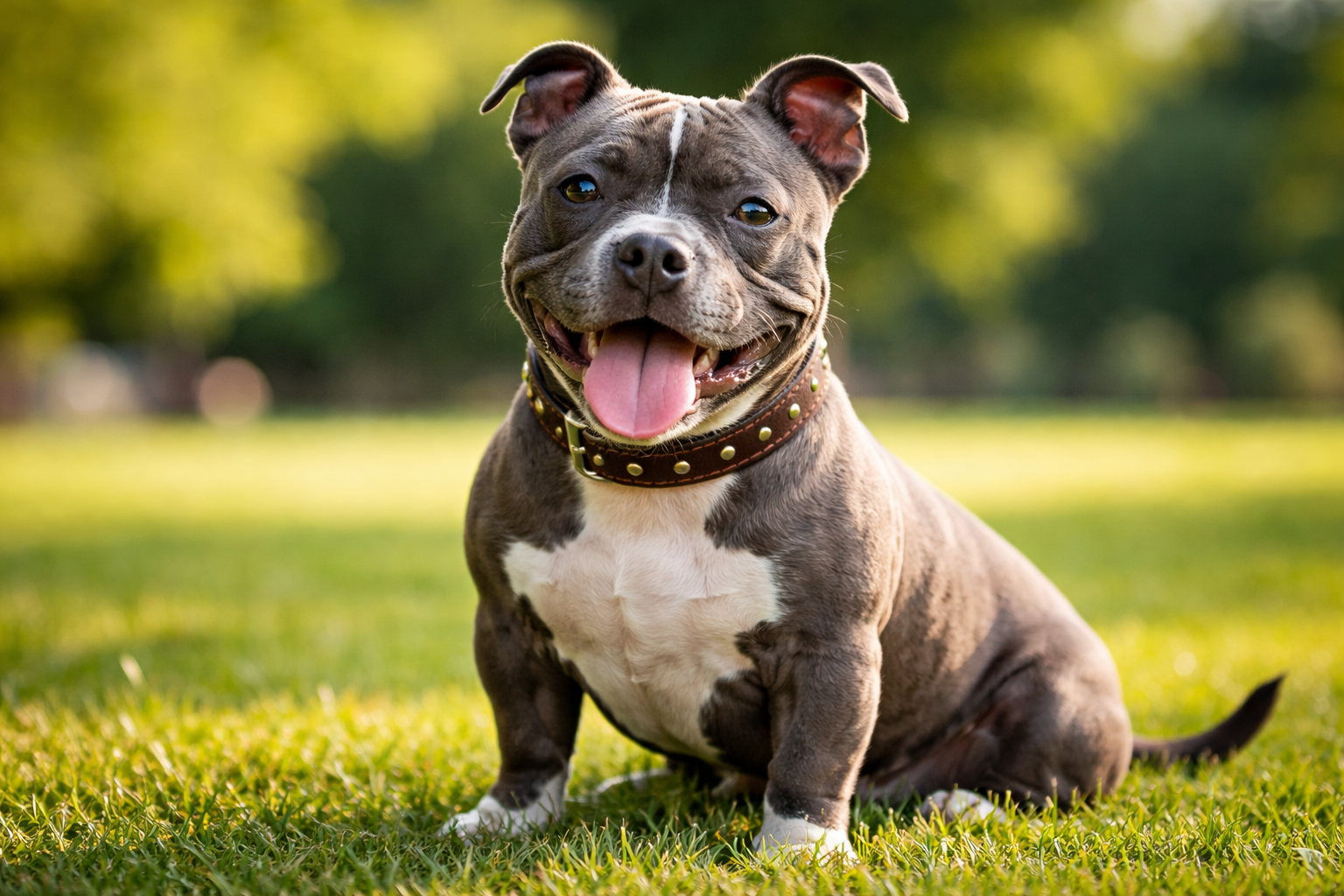
Mini Pitbull: What It Is and Why It Matters
The mini pitbull is a smaller, more compact version of the traditional Pit Bull–type dog that has gained popularity among families, apartment dwellers, and first-time dog owners. In the first paragraph itself, it’s important to clarify that the mini pitbull is not an officially recognized breed by major kennel clubs. Instead, it’s a commonly used term for Pit Bull–type dogs bred to be smaller in size, often through selective breeding or crossbreeding.
Why does the mini pitbull matter to dog lovers? Many people admire the loyalty, intelligence, and confidence of Pit Bulls, but prefer a dog that fits better into smaller living spaces and modern lifestyles.
I’ve worked closely with Pit Bull–type dogs through hands-on care, training observations, and owner interviews over the years. This guide is based on real-world experience, credible veterinary and canine behavior sources, and a deep understanding of what responsible ownership truly requires.
What Exactly Is a Mini Pitbull?
A mini pitbull usually refers to a dog that resembles a Pit Bull in appearance and temperament but is smaller in height and weight. The most common types include:
- Miniature American Bully
- Pocket Bully
- Smaller American Pit Bull Terrier mixes
- Pit Bull crossed with smaller breeds (like Patterdale Terrier)
White pitbulls matter to dog lovers because they are often misunderstood, over-mythologized, and sometimes wrongly feared due to both their breed reputation and unique appearance. As someone who has studied dog breeds extensively, worked with pitbull owners, and followed veterinary-backed research on bully breeds, I’ve seen how proper education transforms fear into respect and responsible ownership.
Size and Weight
Most mini pitbulls fall into this range:
- Height: 12–16 inches
- Weight: 25–45 pounds
This is significantly smaller than a standard Pit Bull, which can weigh 50–70 pounds.
Important note: Be cautious of breeders claiming “teacup” or extremely tiny pitbulls. These claims are often misleading and may involve unhealthy breeding practices.
Is the Mini Pitbull a Recognized Breed?
No, the mini pitbull is not recognized by the American Kennel Club (AKC). However, some related breeds and variations are recognized by other organizations:
- United Kennel Club (UKC) recognizes the American Pit Bull Terrier
- American Bully Kennel Club (ABKC) recognizes the American Bully (including Pocket varieties)
Understanding this helps buyers avoid scams and ensures ethical decisions when adopting or purchasing.
Mini Pitbull Temperament and Personality
One of the biggest myths about Pit Bulls is that they are aggressive by nature. In reality, temperament depends heavily on training, socialization, and environment.
Common Personality Traits
- Loyal and people-oriented
- Highly intelligent
- Energetic but affectionate
- Strong bond with family
- Good with children when properly trained
In my experience, mini pitbulls often behave like “shadow dogs,” following their owners around the house and craving human interaction.
Are Mini Pitbulls Good Family Dogs?
Yes—when raised responsibly.
Mini pitbulls can be excellent family pets because:
- They are sturdy but not overly large
- They enjoy playtime with kids
- They are protective without being overly aggressive
Real-Life Example
One family I worked with adopted a Pocket Bully from a rescue shelter. With consistent training and early socialization, the dog became exceptionally gentle with toddlers and adapted well to apartment living.
Training a Mini Pitbull: What You Need to Know
Mini pitbulls are intelligent but strong-willed, which means training should start early.
Training Tips Based on Experience
- Start socialization at 8–12 weeks
- Use positive reinforcement (treats, praise)
- Avoid harsh punishment—it backfires
- Keep sessions short and engaging
Basic Commands to Teach Early
- Sit
- Stay
- Leave it
- Heel
- Recall (come)
Exercise and Energy Levels
Despite their smaller size, mini pitbulls are not low-energy dogs.
Daily Exercise Needs
- 45–75 minutes per day
- Walks + mental stimulation
- Interactive toys and puzzle feeders
Without proper exercise, they may develop:
- Destructive chewing
- Excessive barking
- Anxiety-related behaviors
Feeding and Nutrition for a Mini Pitbull
A balanced diet is crucial for muscle development and joint health.
What to Look for in Dog Food
- High-quality animal protein
- Moderate fat content
- Omega-3 and Omega-6 fatty acids
- No excessive fillers (corn, soy)
Feeding Tip from Experience
Overfeeding is common because of their compact build. Measure portions carefully to prevent obesity.
Health Issues Common in Mini Pitbulls
Because mini pitbulls are often selectively bred, some health concerns can occur.
Common Health Problems
- Hip dysplasia
- Skin allergies
- Breathing issues (in poorly bred lines)
- Heart conditions
How to Reduce Health Risks
- Choose ethical breeders or rescues
- Ask for health clearances
- Schedule regular vet checkups
Grooming and Maintenance
Mini pitbulls are relatively low-maintenance.
Grooming Needs
- Weekly brushing
- Monthly baths
- Regular nail trimming
- Ear cleaning
Their short coat sheds moderately year-round but more during seasonal changes.
Apartment Living: Is a Mini Pitbull Suitable?
Yes, they can thrive in apartments if their exercise and mental needs are met.
Apartment Success Tips
- Daily structured walks
- Training to reduce barking
- Provide chew toys
- Crate training for safety
From my experience, many apartment-dwelling owners report fewer issues with mini pitbulls compared to high-strung small breeds.
Legal and Breed Restrictions
This is a crucial topic many owners overlook.
Some regions have Breed-Specific Legislation (BSL) that restricts Pit Bull–type dogs, including mini pitbulls.
👉 Check local laws here:
https://www.aspca.org/animal-protection/public-policy/breed-specific-legislation
Always confirm:
- Local housing rules
- City or provincial regulations
- Insurance restrictions
Common Myths About Them
Myth 1: Are They Aggressive
Fact: Aggression is not breed-specific.
Myth 2: Smaller Means Safer
Fact: Training and socialization matter more than size.
Myth 3: They Are Not Good With Kids
Fact: Properly trained mini pitbulls are often excellent family dogs.
Adoption vs Buying
Adoption (Recommended)
- Saves lives
- Lower cost
- Dogs often temperament-tested
Buying from Breeders
If buying:
- Avoid backyard breeders
- Ask for health tests
- Visit the breeding facility
Are They Right for You?
Ask yourself:
- Can I provide daily exercise?
- Am I committed to training?
- Do local laws allow this dog?
- Can I afford vet care?
If the answer is yes, a mini pitbull can be an incredibly loyal and loving companion.
Conclusion: Final Thoughts on the Mini Pitbull
The mini pitbull is a powerful example of how size does not define a dog’s heart, loyalty, or intelligence. While they are not a recognized breed, they are very real dogs with real needs and immense potential as family companions.
By understanding their temperament, training needs, health considerations, and legal realities, you can make an informed and responsible decision. Whether you’re considering adoption or simply learning more, education is the first step toward ethical dog ownership.
If you found this guide helpful, explore more dog care resources, consult a qualified veterinarian or trainer, or reach out if you need personalized advice. Responsible ownership starts with knowledge—and you’re already on the right path. 🐾
