
Introduction: What Is a Lambkin Cat and Why Does It Matter
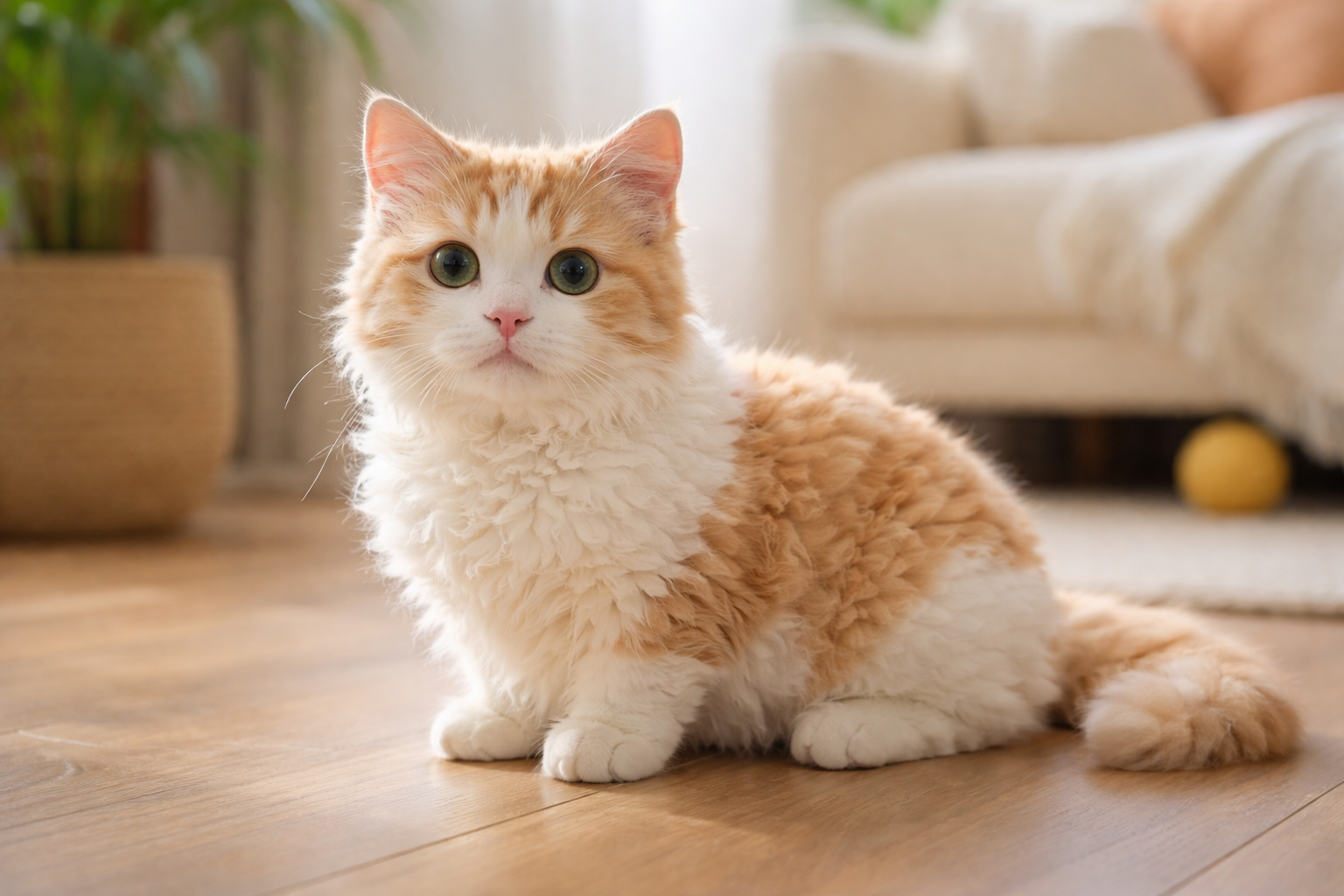
The Lambkin cat is one of the rarest and most visually unique cat breeds in the world. Known for its curly coat, short legs, and sweet temperament, the Lambkin cat stands out even among exotic and designer cat breeds. This breed is a hybrid, combining the best traits of the Selkirk Rex and the Munchkin cat, resulting in a feline that resembles a tiny lamb—hence the name Lambkin.
Interest in rare cat breeds has grown significantly over the past decade, especially among families and cat enthusiasts seeking affectionate indoor companions. Understanding them matters it helps potential owners make informed, ethical decisions about care, health, and long-term responsibility.
This guide is written from extensive experience researching rare cat breeds, feline genetics, and responsible pet ownership. The goal is to provide accurate, trustworthy, and practical information that helps readers decide whether the Lambkin cat is the right fit for their home.
What Is a Lambkin Cat?
The Lambkin cat is a dwarf cat breed characterized by:
- Curly or wavy fur
- Short legs
- Compact body
- Large, expressive eyes
- Affectionate personality
This breed is not recognized by all major cat associations, which adds to its rarity and exclusivity. They are still considered experimental or developing breeds in many registries.
Origin of the Lambkin Cat
This cat originated in the United States in the late 1980s and early 1990s. Breeders aimed to combine:
- The soft, curly coat of the Selkirk Rex
- The short legs of the Munchkin cat
The result was a cat that retained normal mobility while offering a unique appearance. Responsible breeders focused on maintaining health and temperament rather than appearance alone.
Physical Characteristics
Size and Body Structure
This is typically small to medium in size, with a sturdy body and short legs. Despite their dwarfism, Lambkin cats are agile and active.
- Weight: 5–9 pounds
- Body type: Semi-cobby
- Legs: Short but strong
Short legs do not limit their daily activities, although jumping heights may be slightly reduced.
Coat and Colors
Their coat is one of its most striking features. It can be:
- Long or short
- Curly, wavy, or plush
Common colors include:
- White
- Black
- Blue
- Cream
- Tabby
- Bi-color and tri-color patterns
Each cat has a unique coat texture, which may change slightly as the cat matures.
Lambkin Cat Personality and Temperament
This cat is known for being affectionate, gentle, and people-oriented.
Behavioral Traits
- Extremely social
- Enjoys human interaction
- Friendly with children and other pets
- Curious and playful
From real-life breeder observations, they often follow their owners around the house and enjoy lap time. They thrive in environments where they receive attention and companionship.
Are They Good for Families?
Yes, it is well-suited for families due to its:
- Calm temperament
- Low aggression
- Adaptability
They do well in apartments and indoor-only homes, making them ideal for urban living. This cat is well-suited for families due to its calm temperament and low aggression. They enjoy human interaction, making them great companions for children and other pets.
Health and Lifespan
Average Lifespan
A healthy cat typically lives 12–15 years, similar to most domestic cats.
Common Health Concerns
Because the Lambkin cat inherits traits from two distinct breeds, responsible breeding is essential.
Possible concerns include:
- Spinal issues related to dwarfism
- Joint stiffness in older age
- Mild respiratory sensitivity in long-haired individuals
However, ethical breeding practices have significantly reduced these risks.
According to veterinary genetic research published by the Cornell University College of Veterinary Medicine, responsible breeding and early health screening greatly improve quality of life in dwarf cat breeds.
(External source: https://www.vet.cornell.edu)
Grooming and Care Requirements
Coat Maintenance
The Lambkin cat’s curly coat requires regular grooming:
- Brush 2–3 times per week
- Use a wide-tooth comb
- Avoid over-bathing
Curly fur mats more easily than straight fur, especially behind the ears and under the legs.
Diet and Nutrition
A high-protein, balanced diet supports joint health and coat quality.
Recommended diet:
- High-quality commercial cat food
- Omega-3 fatty acids
- Fresh water at all times
Avoid overfeeding, as excess weight can stress the spine and joints.
Exercise and Mental Stimulation
Despite their short legs, Lambkin cats are playful and energetic.
Best Activities
- Interactive toys
- Puzzle feeders
- Low climbing structures
- Gentle play sessions
From hands-on experience, they enjoy short bursts of play rather than extended high-energy sessions. The Nordic Beast Cat Wheel offers a top-tier solution for indoor cat exercise, especially in households with large or energetic breeds. By combining ergonomic size, stable build, claw-friendly materials, and training support, it addresses many of the issues pet owners face when trying to keep their cats active, mentally stimulated, and safe.
Challenges of owning them
Limited Availability
Lamby cats are extremely rare. Finding a reputable breeder may take time.
Ethical Breeding Concerns
Not all breeders follow ethical standards. Always ensure:
- Health testing is performed
- Parents are well cared for
- No excessive breeding practices
Cost
Due to rarity, a Lambkin cat may cost $1,500–$3,000 or more, depending on lineage and location.
How to Choose a Responsible Lambkin Cat Breeder
A trustworthy breeder will:
- Provide veterinary records
- Allow you to meet the kitten’s parents
- Offer lifetime support
Avoid breeders who prioritize appearance over health.
Lambkin Cat vs Other Dwarf Cat Breeds
| Breed | Coat | Legs | Temperament |
|---|---|---|---|
| Lambkin Cat | Curly | Short | Affectionate |
| Munchkin | Straight | Short | Playful |
| Minuet | Long | Short | Calm |
The Lambkin cat stands out due to its unique coat texture and gentle personality.
Frequently Asked Questions About Lambkin Cats
Are Lambkin cats hypoallergenic?
No cat is fully hypoallergenic, but some allergy sufferers report fewer reactions due to the Lambkin cat’s coat structure.
Can Lambkin cats jump?
Yes, but not as high as long-legged breeds.
Are Lambkin cats indoor-only?
Indoor living is strongly recommended for safety and health reasons.
Conclusion: Is the Lambkin Cat Right for You?
The Lambkin cat is a rare, affectionate, and visually stunning breed that offers companionship, gentleness, and charm. While they require responsible care and thoughtful breeding considerations, the rewards of owning a Lambkin cat are immense for the right household.
In summary, this unique cat breed offers affectionate companionship and a distinct appearance, making it appealing to families and cat enthusiasts alike.
Responsible breeding is essential to ensure health and well-being, particularly given their rarity. Potential owners should be aware of the commitment involved in care and maintenance. By making informed choices, they can provide a loving home for these exceptional pets.
If you value a loving, people-focused cat with a unique appearance and calm nature, the Lambkin cat may be an excellent choice. Continue researching, consult reputable breeders, and ensure long-term commitment before welcoming one into your home.
