
Introduction: What Is a Huskydoodle and Why Does It Matter?
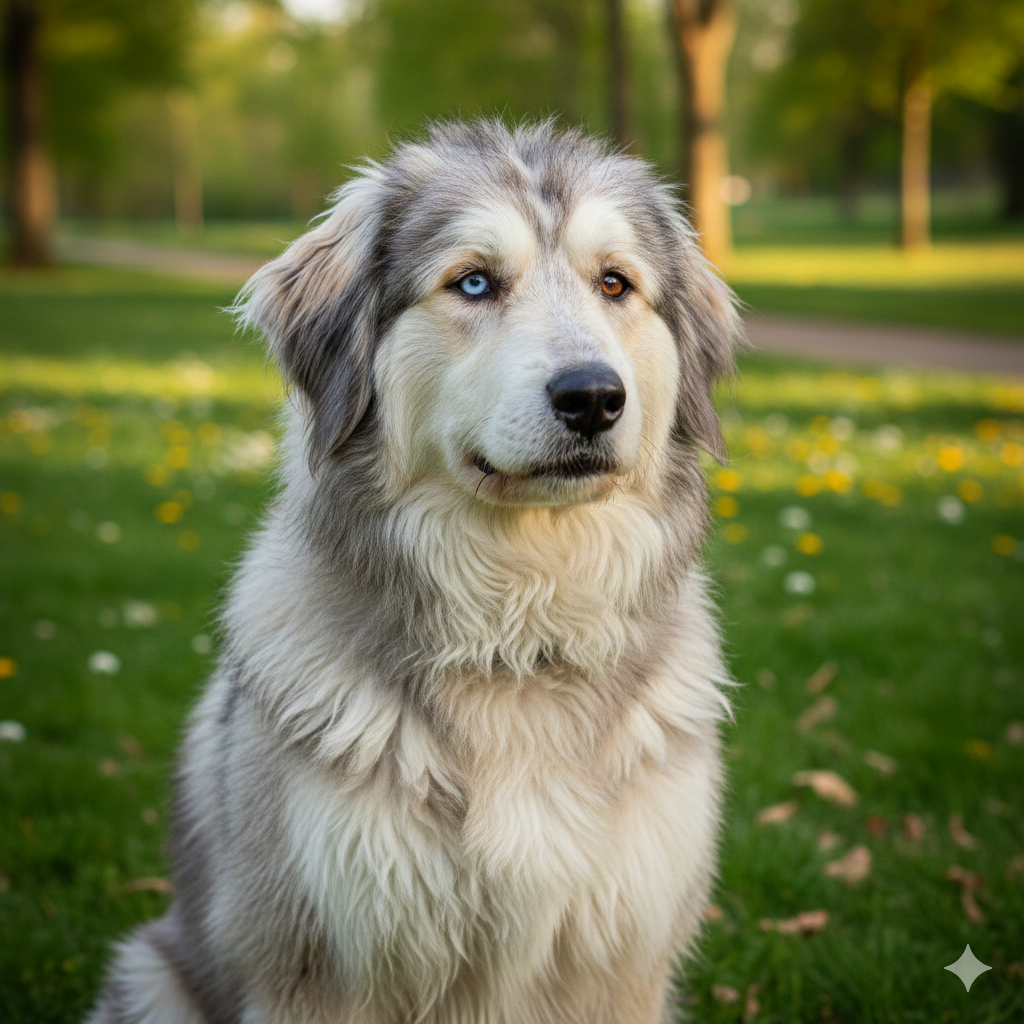
The Huskydoodle is a popular designer dog breed created by crossing a Siberian Husky with a Poodle (usually Standard or Miniature). This hybrid combines the striking looks and endurance of the Husky with the intelligence and low-shedding coat of the Poodle. As interest in smart, family-friendly, and allergy-conscious dogs continues to rise, it has become an appealing choice for modern dog owners.
As someone who has worked closely with mixed breeds, researched canine genetics, and advised first-time dog owners for years, I’ve seen firsthand how misunderstood designer breeds can be. Many people fall in love with their appearance without fully understanding its needs. This guide is written to give you real, experience-based insights so you can decide whether they are right for your lifestyle.
By the end of this article, you’ll understand the Huskydoodle’s temperament, care requirements, training needs, health concerns, and whether this energetic hybrid fits your home.
What Is a Huskydoodle?
A Huskydoodle (also called a Husky Poodle mix) is a crossbreed dog resulting from mating a Siberian Husky with a Poodle. Because both parent breeds are highly intelligent and active, the Huskydoodle inherits strong mental and physical traits.
Basic Overview
- Breed Type: Designer / Hybrid
- Parent Breeds: Siberian Husky × Poodle
- Size: Medium to large (depending on Poodle parent)
- Lifespan: 12–15 years
- Temperament: Intelligent, energetic, affectionate, independent
Unlike purebred dogs, they can vary widely in appearance and personality, even within the same litter.
Appearance and Coat Types
One of the most exciting—and unpredictable—aspects of the Huskydoodle is its appearance.
Size and Build
- Mini Huskydoodle: 25–45 lbs (Mini Poodle parent)
- Standard Huskydoodle: 45–70+ lbs (Standard Poodle parent)
They usually have a strong, athletic build like a Husky, paired with the elegance of a Poodle.
Coat Texture
Their coats can range from:
- Wavy or curly (Poodle-dominant)
- Thick and straight (Husky-dominant)
While many people hope for a low-shedding coat, not all Huskydoodles are hypoallergenic. Shedding depends on which parent’s genes dominate.
Coat Colors
Common colors include:
- Black
- White
- Gray
- Brown
- Cream
- Mixed or merle patterns
Huskydoodle Temperament and Personality
Their temperament is best described as a mix of high intelligence and high energy.
Key Personality Traits
- Extremely intelligent – quick learners, but can be stubborn
- Energetic – requires daily physical activity
- Affectionate – bonds closely with family
- Independent – Husky genes can cause selective listening
- Social – generally good with people and other dogs
From personal experience, they thrive in homes where they are mentally stimulated. Without engagement, they may develop destructive behaviors such as chewing or excessive barking.
Are They Good Family Dogs?
Yes—but only for the right family.
Ideal Homes for Huskydoodles
✔ Active families
✔ Homes with yards
✔ Owners with dog-training experience
✔ People who enjoy outdoor activities
Not Ideal For
✖ Sedentary lifestyles
✖ Long hours alone
✖ First-time owners without guidance
When properly trained, they can be excellent companions for children. However, their energy level means supervision is important around younger kids.
Training: What You Need to Know
Training them can be both rewarding and challenging.
Intelligence vs. Stubbornness
Poodles rank among the top 3 most intelligent dog breeds (according to Stanley Coren), while Huskies are known for independence rather than obedience. This means your Huskydoodle may understand commands but choose not to follow them.
Training Tips (From Experience)
- Start training early (8–10 weeks old)
- Use positive reinforcement
- Keep sessions short and engaging
- Avoid harsh corrections
Consistency is crucial. I’ve seen them excel in agility, obedience, and even therapy work when trained properly.
Exercise Needs: How Active Is a Huskydoodle?
They are not a low-energy dog.
Daily Exercise Requirements
- 60–90 minutes of physical activity daily
- Long walks, jogging, hiking
- Interactive games like fetch or agility
Without proper exercise, they may develop anxiety or destructive behaviors.
Grooming and Maintenance
Grooming Needs
- Brushing: 3–5 times per week
- Professional grooming: Every 6–8 weeks (if curly coat)
- Bathing: Every 4–6 weeks
Other Care
- Nail trimming monthly
- Ear cleaning weekly
- Dental care 2–3 times per week
While grooming can be time-consuming, it helps prevent matting and skin issues.
Huskydoodle Health Issues
While hybrid dogs often benefit from genetic diversity, they can still inherit health conditions from both parents.
Common Health Concerns
- Hip dysplasia
- Progressive retinal atrophy (PRA)
- Allergies
- Hypothyroidism
- Bloat (especially in large Huskydoodles)
Health Tip
Always choose breeders who conduct genetic health testing on both parent dogs.
Diet and Nutrition
They require a high-quality, protein-rich diet.
Feeding Guidelines
- Puppies: 3–4 meals per day
- Adults: 2 meals per day
Diet Tips
- Choose food formulated for active breeds
- Avoid fillers and artificial additives
- Monitor weight to prevent obesity
Consult a veterinarian for personalized feeding plans.
How Much Does it Cost?
Initial Cost
- $800 – $2,500 depending on breeder, size, and region
Ongoing Costs
- Food: $50–$80/month
- Grooming: $60–$120/session
- Vet care: $300–$600/year
Adoption from rescues can significantly reduce initial costs.
Huskydoodle vs Other Doodle Breeds
| Breed | Energy | Shedding | Difficulty |
|---|---|---|---|
| Huskydoodle | Very High | Low–Moderate | High |
| Goldendoodle | Moderate | Low | Moderate |
| Labradoodle | High | Low | Moderate |
Compared to other doodles, the Huskydoodle is more demanding but more adventurous.
Common Challenges and Solutions
Challenge: Excessive Energy
Solution: Structured daily exercise + mental stimulation
Challenge: Stubborn Behavior
Solution: Consistent training and patience
Challenge: Grooming Commitment
Solution: Regular brushing and scheduled grooming
Understanding these challenges beforehand prevents frustration later.
- ASPCA Dog Training Tips – https://www.aspca.org
Conclusion: Is the Huskydoodle Right for You?
The Huskydoodle is a beautiful, intelligent, and energetic companion—but it’s not a dog for everyone. If you’re active, patient, and committed to training and grooming, this hybrid can be incredibly rewarding. However, without proper care, a Huskydoodle can quickly become overwhelming.
If you’re considering adding a Huskydoodle to your family, take time to assess your lifestyle honestly. Learn, prepare, and seek guidance from experienced breeders or trainers.
In summary, this designer breed offers a unique blend of intelligence, energy, and affection, making them suitable for active families. Proper training and socialization are essential to harness their potential, ensuring a balanced and harmonious relationship.
Regular exercise and grooming are crucial for their well-being, helping to prevent behavioral issues. Potential owners should also be aware of the health concerns that can arise from mixed breeding. By understanding their needs, one can create a fulfilling environment for these wonderful companions.
👉 Want more expert dog breed guides or personalized advice? Explore related articles or reach out for one-on-one guidance to make the best decision for you and your future companion.
