
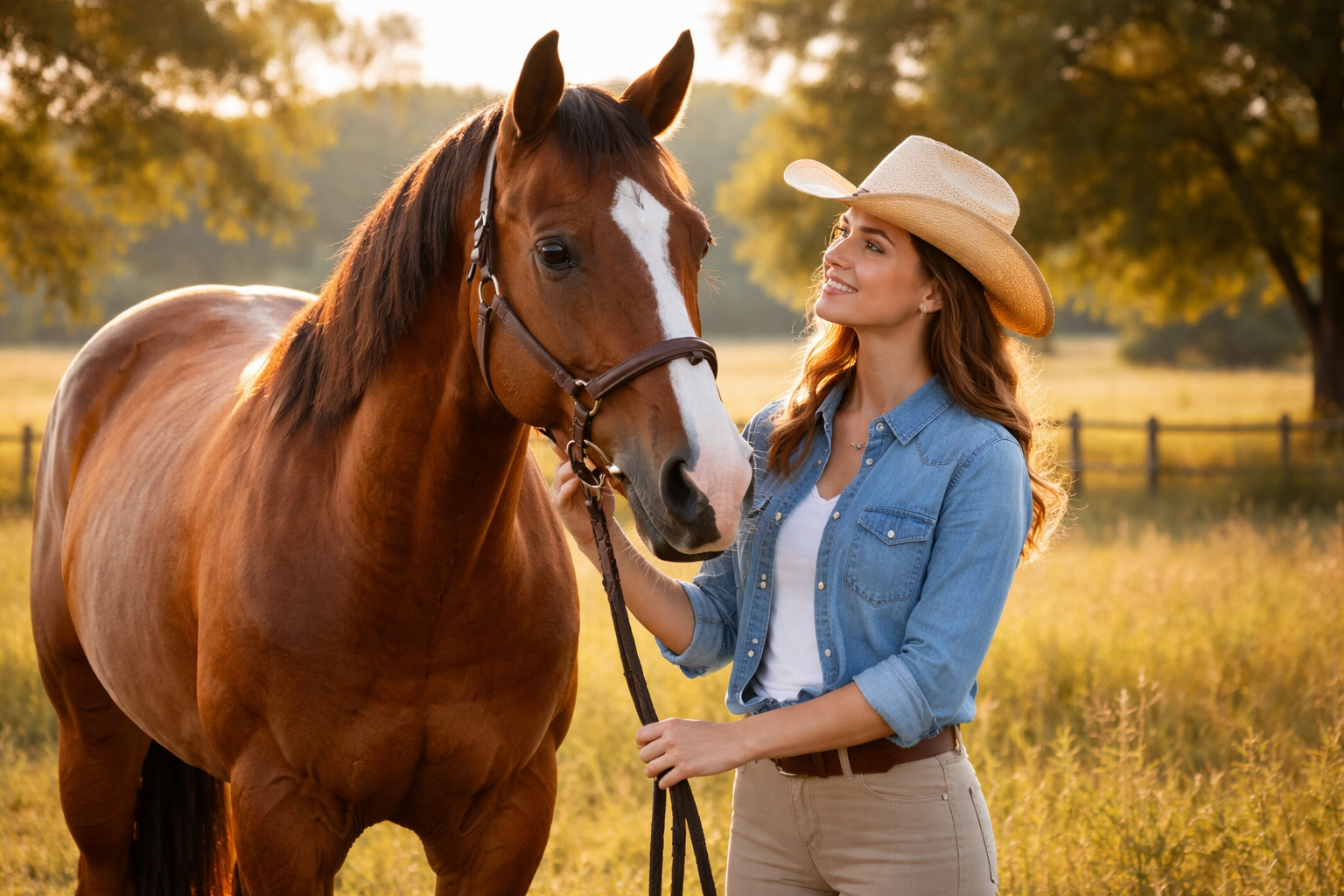
Choosing your first horse is one of the most exciting — and life-changing — decisions you’ll ever make as an equestrian.
In this complete guide on How to Choose Your First Horse: Best Breeds for Beginners, I’ll walk you through everything you need to know before bringing a horse home. From temperament and training level to budget and breed selection, making the right choice matters more than most beginners realize.
As someone who has worked with first-time horse owners, helped families select safe mounts for children, and rehabilitated unsuitable beginner horses, I’ve seen firsthand how the right (or wrong) choice can shape a rider’s entire experience.
This article is designed to help you avoid costly mistakes and confidently choose a horse that matches your goals, lifestyle, and skill level.
If you’re new to horse ownership, I also recommend reading our detailed Essential Horse Ownership Guide for Beginners on PetCareFables, which explains daily care, budgeting, and responsibilities before you buy.
Why Choosing the Right First Horse Matters
When learning How to Choose Your First Horse: Best Breeds for Beginners, you must understand one key truth:
👉 Your first horse teaches you how to ride.
A well-trained, calm horse builds confidence.
A nervous or green horse builds fear.
Many beginners focus only on breed or appearance. However, experienced trainers agree that temperament, training, and suitability matter far more than color or prestige bloodlines.
According to the American Association of Equine Practitioners, first-time owners should prioritize safety, veterinary history, and suitability over pedigree.
Step 1: Understand Your Riding Goals
Before selecting a breed, ask yourself:
- Do I want to trail ride?
- Am I interested in dressage or jumping?
- Do I want a family-friendly horse?
- Is this for a child or an adult beginner?
Your discipline heavily influences breed selection.
For example:
- Western riders may prefer stock breeds.
- English riders may look toward sport breeds.
- Casual trail riders benefit from calm, sturdy horses.
Clarity here prevents disappointment later.
Step 2: Temperament Comes Before Breed
When discussing How to Choose Your First Horse: Best Breeds for Beginners, temperament is more important than breed reputation.
Look for:
- Calm personality
- Forgiving nature
- Low reactivity
- Experience with beginners
- Consistent behavior
Avoid:
- Young (under 6 years old) green horses
- Recently retrained racehorses
- Horses with behavioral issues
- High-strung or reactive personalities
💡 Ideal Age Range for Beginners: 8–15 years old.
A well-trained older horse is worth far more than an impressive young prospect.
Best Horse Breeds for Beginners
Below are some of the most beginner-friendly breeds known for their calm temperament and trainability.
1. American Quarter Horse
The American Quarter Horse is often considered the gold standard for beginner riders.
Why they’re great for beginners:
- Calm and steady temperament
- Versatile (Western, trail, ranch work)
- Intelligent and easy to train
- Strong and durable
They are widely available, which makes finding a well-trained one easier than rarer breeds.
2. Morgan Horse
Morgans are known for their friendly and people-oriented personality.
Beginner advantages:
- Eager to please
- Comfortable gaits
- Adaptable to multiple disciplines
- Loyal and affectionate
They’re especially good for riders who want a strong bond with their horse.
3. Tennessee Walking Horse
If comfort is a priority, this breed stands out.
Why beginners love them:
- Naturally smooth gait
- Gentle demeanor
- Excellent trail horses
- Less intimidating ride
For older riders or those with back issues, their smooth movement can be a game-changer.
4. Icelandic Horse
Though smaller, Icelandics are incredibly sturdy.
Benefits:
- Strong for their size
- Friendly temperament
- Unique smooth “tölt” gait
- Long lifespan
They are ideal for smaller adults or teens wanting a safe but fun ride.
5. Appaloosa
Recognizable by their spotted coat, Appaloosas are versatile and dependable.
Beginner perks:
- Intelligent
- Calm when well-trained
- Good trail companions
- Moderate energy
However, as with any breed, individual temperament varies.
Should You Avoid Certain Breeds as a Beginner?
Some breeds are better suited for experienced riders due to high energy or sensitivity.
Examples include:
- Thoroughbred (especially off-the-track)
- Arabian horse (can be sensitive and high-energy)
- Belgian Warmblood (sport-focused, powerful)
This doesn’t mean they are bad horses — just that they require skilled handling.
Step 3: Training Level Is More Important Than Breed
A 12-year-old well-trained Thoroughbred may be safer than a 4-year-old Quarter Horse.
Look for:
- Bombproof behavior
- Trail experience
- Traffic exposure
- Experience with lesson programs
- Desensitization training
Ask for:
- Riding demonstration
- Vet records
- Farrier history
- Training background
Budget Considerations for First-Time Owners
Many beginners underestimate long-term costs.
Initial costs:
- Purchase price
- Vet exam (pre-purchase exam recommended)
- Tack and equipment
Ongoing costs:
- Board
- Feed
- Farrier
- Veterinary care
- Insurance
The American Horse Council estimates horse ownership costs thousands annually depending on region.
Choose a horse within your financial comfort zone — not at your financial limit.
Common Beginner Mistakes
1. Buying Based on Color
Pretty does not mean suitable.
2. Buying Too Young
Young horses need experienced handling.
3. Skipping the Vet Check
Always invest in a pre-purchase exam.
4. Buying Without a Trainer
Bring an experienced trainer to view the horse.
Real-Life Example
One client purchased a 5-year-old green horse because it was “cheap and pretty.” Within six months, fear replaced excitement. After switching to a 13-year-old schoolmaster Quarter Horse, her confidence skyrocketed.
The lesson?
Skill-appropriate horses build lifelong riders.
How to Test a Horse Before Buying
When learning How to Choose Your First Horse: Best Breeds for Beginners, testing is crucial.
Checklist:
- Groom the horse yourself.
- Watch it being tacked.
- Ride in arena and open space.
- Test reaction to mild surprises.
- Observe behavior when tied.
Red flags:
- Ear pinning when saddled
- Refusal to stand still
- Spooking excessively
- Aggressive ground behavior
Boarding vs. Keeping at Home
Beginners benefit from boarding at reputable facilities.
Look for:
- Lesson programs
- Trainer supervision
- Safe fencing
- Clean stalls
- Emergency protocols
This adds safety and community support.
Health and Soundness Checks
Have a licensed veterinarian perform a pre-purchase exam.
The American Veterinary Medical Association provides guidelines on responsible animal ownership and veterinary care.
Check for:
- Lameness
- Dental health
- Hoof condition
- Respiratory health
- Vaccination records
Personality Match: Rider and Horse Compatibility
Just like people, horses have personalities.
Confident beginner → Calm but responsive horse
Nervous beginner → Extremely quiet schoolmaster
Ambitious beginner → Steady but athletic horse
The right match prevents frustration.
The Emotional Side of Buying Your First Horse
Buying your first horse is emotional.
But make decisions with:
- Logic
- Professional advice
- Long-term vision
Impulse buying leads to regret.
Quick Beginner Checklist
✔ Age: 8–15 years
✔ Well-trained
✔ Calm temperament
✔ Clean vet history
✔ Within budget
✔ Matches riding goals
✔ Approved by trainer
Where to Buy Your First Horse
When learning How to Choose Your First Horse: Best Breeds for Beginners, knowing where to buy is just as important as knowing what to buy.
1. Reputable Breeders
Professional breeders who specialize in beginner-friendly breeds like the American Quarter Horse or Morgan Horse often maintain structured training programs and health records.
Pros:
- Known bloodlines
- Proper early handling
- Transparent history
Cons:
- Higher purchase price
2. Riding Schools and Lesson Barns
One of the safest ways to buy your first horse is through a lesson program. Many riding schools sell older, well-trained lesson horses.
These horses:
- Are accustomed to beginners
- Tolerate mistakes
- Have consistent routines
From experience, schoolmasters (older, experienced horses) are often the best first horses for adults and teens.
3. Private Sellers
Private sales can offer great horses, but caution is necessary.
Always:
- Request vet records
- Ask why the horse is being sold
- Ride multiple times
- Bring a trainer
If the seller avoids a pre-purchase exam, walk away.
Should You Lease Before Buying?
Many professionals recommend leasing before purchasing.
Benefits of leasing:
- Lower financial risk
- Trial experience
- Skill development
- Understanding real ownership responsibilities
Leasing allows beginners to test compatibility before committing long-term.
In my experience helping new riders, those who lease first tend to make more confident purchase decisions later.
Matching Horse Size to Rider
Size matters in beginner safety.
General guidelines:
- Rider weight should not exceed 15–20% of horse’s body weight.
- Children often benefit from ponies or smaller horses.
- Adult beginners usually do well with 14.2–16 hands horses.
Breeds like the Icelandic Horse may be smaller but are incredibly strong and weight-capable.
Avoid buying a horse that feels physically intimidating. Confidence is critical.
Understanding Horse Temperament Types
Even within beginner breeds, personalities vary.
Calm and Stoic
Often found in seasoned Tennessee Walking Horse types and older ranch horses.
Best for:
- Nervous riders
- Casual trail riders
Curious and Intelligent
Common in Appaloosa lines.
Best for:
- Riders wanting engagement
- Light competition goals
Sensitive and Forward
More typical in breeds like the Thoroughbred.
Better suited for experienced handlers.
Remember: individual personality outweighs breed stereotype.
Red Flags When Viewing a Horse
While exploring How to Choose Your First Horse: Best Breeds for Beginners, beginners must recognize warning signs.
🚩 Horse is heavily sedated during viewing
🚩 Seller refuses multiple rides
🚩 No veterinary records
🚩 Aggressive behavior on ground
🚩 Obvious lameness
🚩 Inconsistent training history
Trust your instincts — and your trainer’s opinion.
Importance of Ground Manners
Many beginners focus only on riding behavior. But ground manners are equally critical.
Your first horse should:
- Stand quietly for grooming
- Lift hooves calmly
- Lead without pulling
- Tie safely
- Load into a trailer
Poor ground manners often signal deeper training gaps.
Beginner-Friendly Disciplines to Consider
If you’re still deciding your riding path, here are beginner-friendly disciplines:
Trail Riding
Perfect for calm breeds like the American Quarter Horse.
Western Pleasure
Suitable for steady stock breeds.
Introductory Dressage
Older, well-trained Morgans or crossbreeds perform well.
Ranch Riding
Great for versatile Quarter Horses.
Starting with beginner-friendly disciplines reduces pressure and increases safety.
The Emotional Trap of “Rescue Projects”
Many first-time buyers feel compelled to “save” a troubled horse.
While admirable, this is rarely suitable for beginners.
Rescue or retraining horses often require:
- Advanced handling
- Behavioral correction
- Time and financial investment
Your first horse should build your skills — not overwhelm you.

Building a Support Team
A successful first horse experience depends on community.
Essential support team members:
- Trainer
- Veterinarian
- Farrier
- Barn manager
The American Association of Equine Practitioners emphasizes routine veterinary partnerships to maintain equine health and safety.
Beginners who isolate themselves often struggle more.
Insurance and Legal Protection
Protect your investment.
Consider:
- Mortality insurance
- Major medical coverage
- Liability insurance
Also:
- Use written purchase agreements
- Document trial periods
- Confirm ownership transfer
Legal clarity prevents future disputes.
Frequently Asked Questions
How much should I spend on my first horse?
Prices vary widely, but a safe beginner horse may range from moderate to higher pricing depending on training and region. Avoid ultra-cheap horses with unknown histories.
Is a mare, gelding, or stallion better for beginners?
Geldings are generally recommended for beginners due to more consistent temperament. Stallions are not suitable for novice owners.
Should my first horse be young so we can “grow together”?
No. A young horse grows unpredictably in training needs. Choose experience over youth.
How long does it take to feel confident with a new horse?
Most beginners need several months to build trust. Structured lessons accelerate this process.
Long-Term Growth with Your First Horse
Your first horse shapes your riding foundation.
With the right horse:
- You develop balanced seat and control
- You gain trail confidence
- You understand horse psychology
- You build emotional resilience
With the wrong horse:
- Fear increases
- Lessons become stressful
- Injuries become more likely
This is why understanding How to Choose Your First Horse: Best Breeds for Beginners is so essential.
Final Encouragement Before You Buy
Take your time.
View multiple horses.
Ask uncomfortable questions.
Schedule vet exams.
Bring experienced eyes.
Buying your first horse is not a race — it’s a long-term partnership decision.
The right beginner horse feels:
✔ Safe
✔ Predictable
✔ Forgiving
✔ Confidence-building
If you feel nervous or pressured during the buying process, pause. The right horse will still be there — and if not, another suitable one will be.
Choosing wisely now creates years of safe, joyful riding ahead.
Conclusion: Make a Smart, Confident Choice
Learning How to Choose Your First Horse: Best Breeds for Beginners is about more than picking a popular breed. It’s about finding a safe, trained, temperamentally suitable partner who helps you grow.
Remember:
- Temperament over color
- Training over pedigree
- Safety over speed
- Experience over ego
Take your time. Ask questions. Bring professionals. Invest in a vet check. And most importantly — choose a horse that makes you feel confident, not intimidated.
If you’d like personalized guidance or want to explore more beginner-friendly horse care resources, explore our beginner equestrian guides at PetCareFables and continue learning before making your final decision.
Your first horse should build your confidence — not test your courage.
