
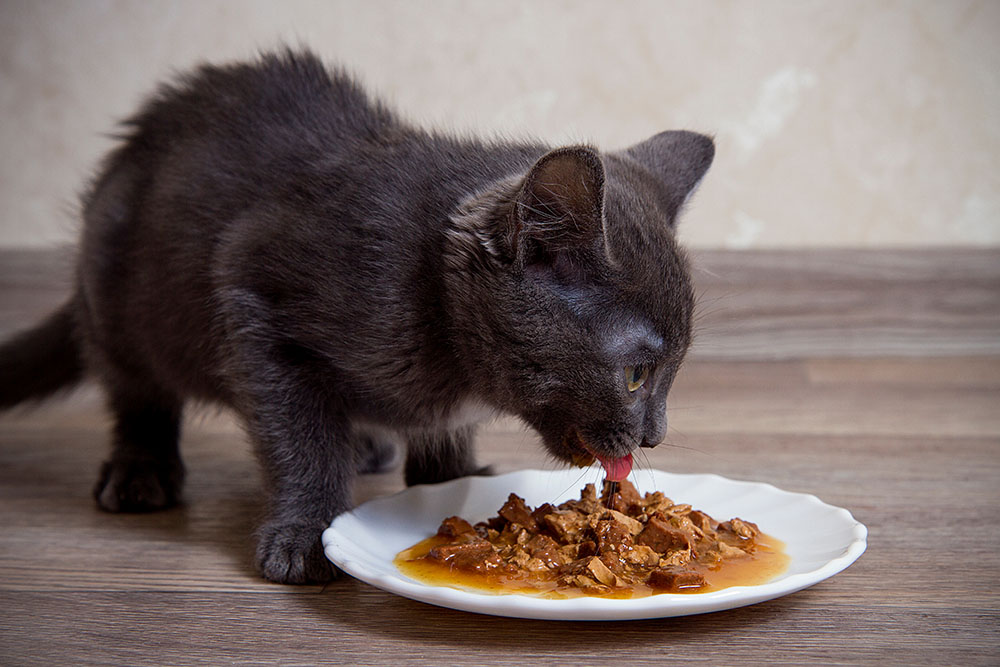
Introduction: What Are Homemade Wet Cat Food Recipes and Why Do They Matter?
Homemade wet cat food recipes are meals prepared at home using fresh, cat-safe ingredients to provide proper nutrition, hydration, and taste tailored to a cat’s needs. As more cat owners become concerned about processed pet food, fillers, artificial preservatives, and recalls, interest in homemade wet cat food recipes has grown rapidly.
As someone who has researched feline nutrition deeply, consulted veterinary guidelines, and helped pet owners transition their cats to homemade diets, I understand both the benefits and the risks. When done correctly, homemade wet cat food recipes can improve digestion, hydration, coat quality, and overall health. When done incorrectly, they can cause nutritional deficiencies.
This guide will walk you through everything you need to know, from benefits and ingredients to safe recipes, common mistakes, and expert-approved tips.
What Are Homemade Wet Cat Food Recipes?
Homemade wet cat food recipes are moist, meat-based meals prepared at home to mimic a cat’s natural prey diet. Cats are obligate carnivores, meaning they require animal protein to survive.
Key Characteristics:
- High moisture content (70–80%)
- Animal-based protein
- Minimal carbohydrates
- No artificial additives
Unlike dry kibble, wet food—especially homemade—supports kidney health, urinary health, and digestion.
Why Choose Homemade Wet Cat Food?
1. Better Hydration
Cats naturally drink little water. Wet food helps prevent:
- Urinary tract infections (UTIs)
- Kidney disease
- Bladder stones
Source: Cornell University College of Veterinary Medicine
https://www.vet.cornell.edu
2. Ingredient Control
You know exactly:
- What meat is used
- No by-products or fillers
- No artificial colors or preservatives
3. Improved Palatability
From real experience, picky eaters often prefer homemade wet cat food recipes over commercial options.
Nutritional Needs of Cats (Very Important)
Before making homemade wet cat food recipes, it’s critical to understand feline nutrition.
Essential Nutrients Cats Must Have:
- Protein (animal-based)
- Taurine (critical amino acid)
- Fat (for energy)
- Calcium & phosphorus balance
- Vitamin A (animal source only)
Cats cannot survive on a vegetarian or dog food diet.
Core Ingredients for Homemade Wet Cat Food Recipes
Safe Protein Sources:
- Chicken (thighs preferred)
- Turkey
- Beef (lean)
- Rabbit
- Fish (occasionally, not daily)
Organs (Essential):
- Chicken liver (Vitamin A source)
- Heart (taurine-rich)
Supplements (Non-Negotiable):
- Taurine powder
- Calcium (bone meal or eggshell powder)
- Fish oil (omega-3)
Skipping supplements is the biggest mistake new cat owners make.
Easy Homemade Wet Cat Food Recipes (Vet-Inspired)
Recipe 1: Chicken & Liver Wet Cat Food
Ingredients:
- 1 kg chicken thighs (boneless)
- 100 g chicken liver
- 1 cup water or unsalted bone broth
- 1 tsp taurine powder
- 1 tsp fish oil
- 1 tsp eggshell powder
Instructions:
- Lightly cook chicken and liver (do not overcook)
- Blend with broth until soft
- Mix in supplements after cooling
- Portion and refrigerate/freeze
Why it works: Balanced protein, moisture, and taurine.
Recipe 2: Turkey & Pumpkin Digestive Support Recipe
Ingredients:
- 900 g turkey meat
- 50 g turkey liver
- 1 tbsp pumpkin puree (optional)
- Supplements as above
Pumpkin helps cats with mild constipation, but use it sparingly.
Recipe 3: Fish & Chicken Mix (Occasional Treat)
Fish should not be a daily protein due to mercury and thiaminase.
Raw vs Cooked Homemade Wet Cat Food
Raw Diet Pros:
- Closest to a natural diet
- Preserves nutrients
Raw Diet Cons:
- Risk of bacteria (Salmonella, E. coli)
Cooked Diet Pros:
- Safer for immunocompromised cats
- Easier for beginners
Expert Tip: Light cooking is a safe middle ground.
Common Challenges & Solutions
Challenge 1: Nutritional Deficiency
Solution: Always use supplements and follow balanced recipes.
Challenge 2: Cat Refuses New Food
Solution: Transition slowly over 7–10 days by mixing old food.
Challenge 3: Time Constraints
Solution: Batch cook and freeze portions for 2–3 weeks.
How Much Homemade Wet Cat Food to Feed?
Average adult cat:
- 3–5% of body weight daily
- Split into 2–3 meals
Example:
- 4 kg cat → ~160–200 g food/day
Adjust based on activity and health.
Is Homemade Wet Cat Food Safe for Kittens?
Yes—but kittens need:
- Higher fat
- Higher calories
- More frequent meals
Consult a veterinarian before feeding kittens homemade diets.
Homemade Wet Cat Food vs Commercial Wet Food
| Feature | Homemade | Commercial |
|---|---|---|
| Ingredient control | High | Medium |
| Cost | Medium | Medium–High |
| Nutrition accuracy | Depends on recipe | Regulated |
| Freshness | Very high | Moderate |
Best approach for many owners: Hybrid feeding.
FAQs About Homemade Wet Cat Food Recipes
Can I skip taurine if I use meat?
No. Cooking reduces taurine. Supplementation is essential.
Can cats eat rice or grains?
Cats don’t need grains and cannot digest them properly.
How long does homemade wet cat food last?
- Fridge: 2–3 days
- Freezer: Up to 2 months
Conclusion: Is Homemade Wet Cat Food Right for You?
Homemade wet cat food recipes can dramatically improve your cat’s health, hydration, and happiness—if done correctly. With proper research, supplements, and safe practices, many cat owners report shinier coats, better digestion, and fewer urinary issues. Including more information here, cats can also eat rice.
If you’re willing to invest time and care, homemade wet cat food can be one of the best decisions for your cat’s long-term health.
Next steps:
- Explore more feline nutrition guides
- Consult a vet before switching diets
- Start with one simple recipe
If you want personalized meal plans or kitten-specific recipes, feel free to reach out.
