
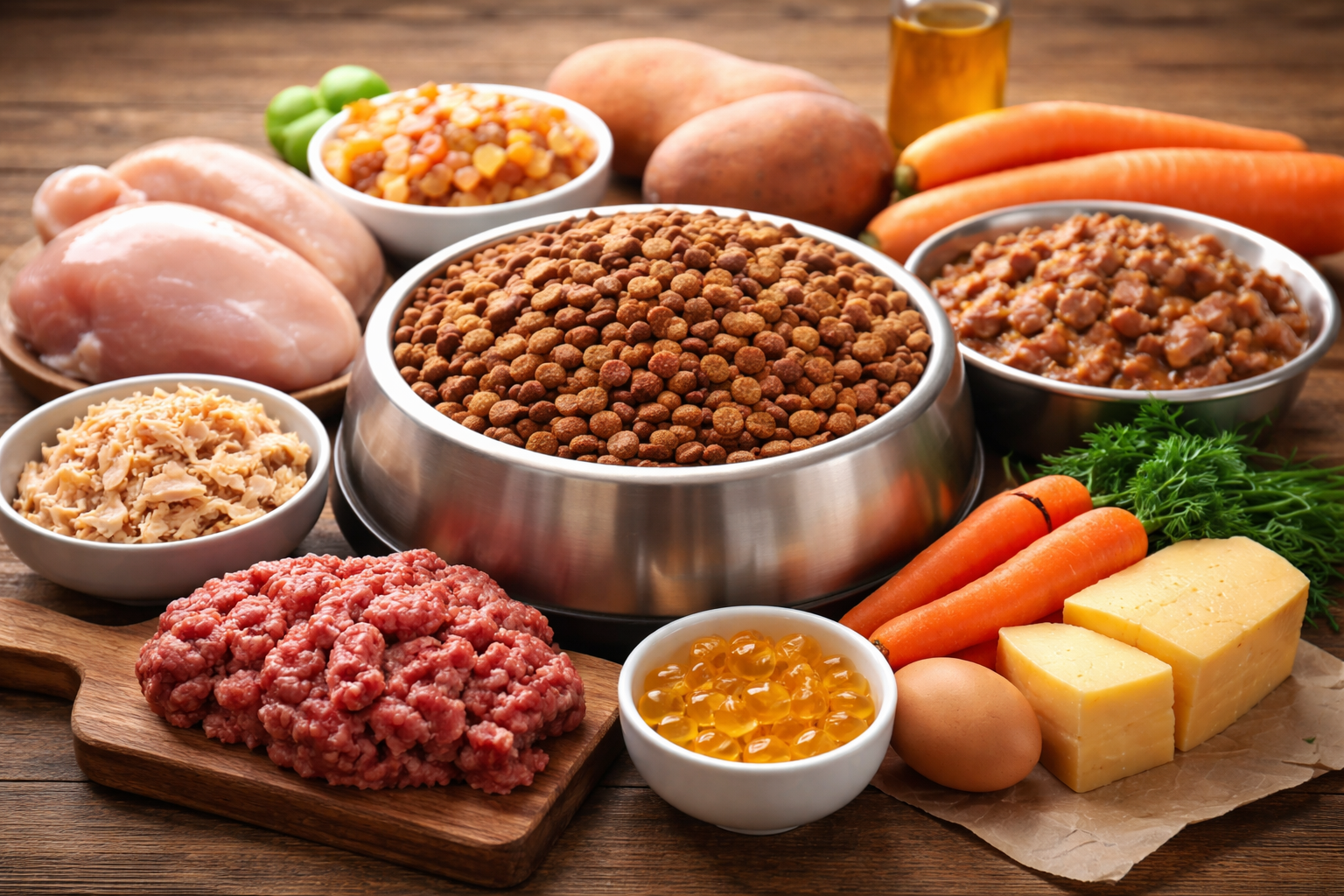
Introduction: What Is High Calorie Dog Food and Why It Matters
High calorie dog food is specially formulated dog food designed to provide more energy (calories) per serving than standard dog food. It is commonly used for dogs that need to gain weight, maintain high energy levels, or recover from illness, surgery, or malnutrition. For active dogs, working breeds, pregnant or nursing mothers, and underweight pets, calorie-dense nutrition can be life-changing.
As someone who has worked closely with pet owners, veterinarians, and canine nutrition guidelines for years, I’ve seen firsthand how choosing the right high calorie dog food can dramatically improve a dog’s health, coat quality, stamina, and overall happiness. Many dog parents struggle when their pet refuses to gain weight despite eating “enough.” That’s where calorie density—not just quantity—becomes critical.
If you’re already researching dog nutrition, you may find this detailed guide on high calorie dog food especially helpful as a starting point for understanding canine dietary needs.
In this article, we’ll break down everything you need to know about high calorie dog food: what it is, who needs it, how it works, common challenges, and how to choose the best option safely and effectively.
What Is High Calorie Dog Food?
High calorie dog food contains a greater concentration of calories per cup or serving compared to regular maintenance dog food. While standard adult dog food may provide around 300–400 calories per cup, high calorie formulas often deliver 450–700+ calories per cup.
How It Works
The increased calorie count usually comes from:
- Higher healthy fat content
- Optimized protein levels
- Easily digestible carbohydrates
- Nutrient-dense ingredients
Instead of forcing your dog to eat more volume, high calorie dog food allows them to consume more energy in smaller portions, which is especially helpful for picky eaters or dogs with low appetite.
Which Dogs Need High Calorie Dog Food?
Not every dog needs extra calories. However, high calorie dog food can be extremely beneficial for certain dogs.
1. Underweight Dogs
Dogs that are visibly thin, have prominent ribs, or fail to gain weight despite eating regular meals may need calorie-dense food.
Real-life example:
One client had a rescued mixed-breed dog that ate well but remained underweight for months. Switching to a vet-approved high calorie dog food helped the dog gain healthy weight within six weeks—without digestive issues.
2. Working and Active Dogs
Dogs involved in:
- Herding
- Hunting
- Agility sports
- Search and rescue
burn significantly more energy and require higher caloric intake to maintain muscle mass and stamina.
3. Puppies (Under Vet Guidance)
Growing puppies need more calories than adult dogs. Some large-breed or highly active puppies may benefit from calorie-rich food—but only with proper balance.
4. Pregnant or Nursing Dogs
During pregnancy and lactation, calorie requirements can nearly double, making high calorie dog food essential.
5. Senior or Recovering Dogs
Dogs recovering from:
- Surgery
- Illness
- Injury
often need extra calories to rebuild strength and immune function.
Key Nutrients in High Calorie Dog Food
Not all calories are created equal. The quality of calories matters just as much as the quantity.
Healthy Fats
Fats are the most calorie-dense nutrient and a primary energy source.
- Chicken fat
- Fish oil
- Salmon oil
These also support skin, coat, and brain health.
High-Quality Protein
Protein helps build and maintain muscle.
- Real meat (chicken, beef, lamb)
- Fish
- Eggs
Look for named animal proteins as the first ingredient.
Digestible Carbohydrates
Carbs provide quick energy.
- Brown rice
- Sweet potatoes
- Oats
Avoid excessive fillers like corn or wheat by-products.
Vitamins and Minerals
High calorie dog food should still be balanced:
- Calcium & phosphorus for bones
- Zinc & biotin for skin
- Antioxidants for immunity
Common Questions About High Calorie Dog Food
Is High Calorie Dog Food Safe?
Yes—when used appropriately. It’s important not to overfeed or use it for dogs that don’t need extra calories, as this can lead to obesity.
Can I Give High Calorie Dog Food Long-Term?
Some dogs, such as working breeds, may need it long-term. Others may only need it temporarily until they reach a healthy weight.
How Quickly Will My Dog Gain Weight?
Most dogs show noticeable improvement within 2–6 weeks, depending on metabolism, activity level, and underlying health.
Do I Need a Vet’s Approval?
While not always mandatory, consulting a vet is strongly recommended—especially if weight loss is sudden or unexplained.
Challenges Pet Owners Face (and How to Solve Them)
Challenge 1: Dog Refuses to Eat
Solution:
- Choose highly palatable formulas
- Warm the food slightly
- Mix with a small amount of wet food or bone broth
Challenge 2: Digestive Upset
Solution:
- Transition slowly over 7–10 days
- Look for foods with probiotics and fiber
- Avoid sudden calorie jumps
Challenge 3: Weight Gain but Low Muscle
Solution:
- Ensure protein levels are adequate
- Combine diet with light exercise
- Avoid foods that are high-fat but low-protein
Practical Tips for Feeding High Calorie Dog Food
- Measure portions carefully
More calories mean smaller servings. - Monitor weight weekly
Use a scale or body condition scoring. - Split meals
2–3 smaller meals improve digestion and absorption. - Hydration matters
Calorie-dense food increases metabolic demand for water. - Adjust as needed
Once ideal weight is reached, reassess calorie needs.
Choosing the Best High Calorie Dog Food
When selecting a product, look for:
- AAFCO nutritional adequacy statement
- Real meat as the first ingredient
- Transparent calorie information
- No artificial fillers or preservatives
Avoid marketing gimmicks—focus on nutritional labels and ingredient quality.
For additional science-backed guidance on canine nutrition standards, you can refer to this trusted external resource from the Association of American Feed Control Officials (AAFCO):
https://www.aafco.org
Conclusion: Is High Calorie Dog Food Right for Your Dog?
High calorie dog food can be a powerful tool when used correctly. Whether your dog is underweight, highly active, recovering from illness, or in a demanding life stage, the right calorie-dense nutrition can restore vitality, strength, and overall well-being.
The key is balance: high calories paired with high-quality ingredients, proper portion control, and ongoing monitoring. If you’re unsure where to start, educating yourself—and seeking expert guidance—can make all the difference.
If you’d like to learn more about dog nutrition, feeding strategies, or choosing the best food for your pet’s unique needs, explore more resources or reach out for personalized guidance. Your dog’s health journey deserves informed, thoughtful care.
