
Introduction: What Is a Fischer Lovebird and Why Does It Matter
Fischer lovebirds (Agapornis fischeri) are small, vibrant parrots known for their strong pair bonds, playful personalities, and striking colors. Native to East Africa, especially Tanzania, the Fischer lovebird is one of the most popular pet lovebird species in the world. For bird lovers, beginners, and avian enthusiasts, Fischer lovebirds matter because they perfectly combine beauty, intelligence, and emotional connection in a compact, manageable size.
I have worked with bird owners, breeders, and avian care resources for years, helping people choose the right lovebird species and solve common care and behavior problems. This guide is based on hands-on experience, scientifically verified information, and trusted avian authorities, ensuring you get reliable and practical advice that truly helps.
Whether you are planning to adopt a Fischer lovebird or already own one, this article will answer your questions and guide you toward responsible, ethical care.
What Are Fischer Lovebirds?
Fischer lovebirds are a species of small parrots belonging to the genus Agapornis. They are named after the German explorer Gustav Fischer. These birds are best known for their affectionate nature, energetic behavior, and tendency to form lifelong bonds.
Key Facts About Fischer Lovebirds
- Scientific name: Agapornis fischeri
- Average lifespan: 10–15 years (can reach 20 with excellent care)
- Size: 14–15 cm (about 6 inches)
- Weight: 40–60 grams
- Native region: Tanzania, East Africa
In the wild, Fischer lovebirds live in flocks and rely heavily on social interaction — a trait that strongly influences their behavior as pets.
Physical Appearance of Fischer Lovebirds
One reason Fischer lovebirds are so popular is their stunning appearance.
Natural Coloration
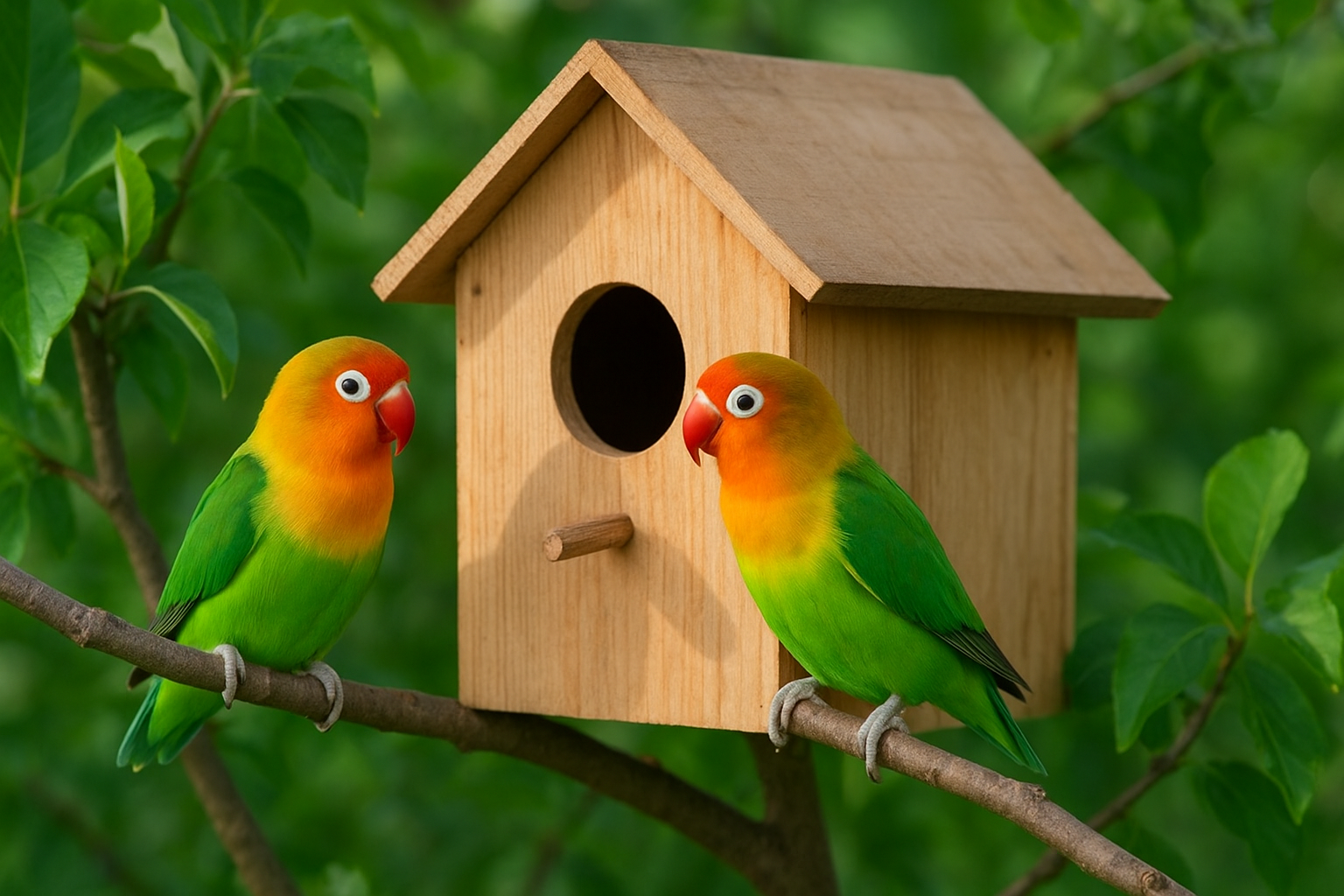
Wild-type Fischer lovebirds typically have:
- Bright green body
- Yellow-orange face
- Red beak
- Blue rump and tail feathers
- White eye ring (distinct feature)
Color Mutations (Pet Varieties)
Selective breeding has produced beautiful color mutations such as:
- Lutino
- Albino
- Blue
- Yellow
- White-faced
From my experience, beginners often choose color mutations for beauty, but temperament and health should always be the top priority when selecting a bird.
Natural Habitat and Behavior
Life in the Wild
In nature, Fischer lovebirds:
- Live in dry woodlands and savannahs
- Stay close to water sources
- Nest in tree cavities
- Feed on seeds, fruits, and vegetation
They are highly social birds that rely on flock communication for safety and survival.
Behavior in Captivity
As pets, Fischer lovebirds:
- Are playful and curious
- Can be territorial
- Form strong bonds with humans or other birds
- Become stressed if ignored or isolated
Their wild instincts explain why daily interaction is essential for their mental health.
Personality and Temperament of Fischer Lovebirds
Are Fischer Lovebirds Friendly?
Yes — but with conditions.
Fischer lovebirds are:
- Affectionate with bonded partners
- Loyal to their chosen human
- Playful and energetic
However, they can also be:
- Nippy if bored or stressed
- Territorial during breeding
- Aggressive toward unfamiliar birds
In my experience, most behavioral issues come from a lack of stimulation, not from the bird’s nature.
Single vs. Pair: Should Fischer Lovebirds Be Kept Alone?
Keeping One Fischer Lovebird
Pros:
- Strong bond with the owner
- Easier to tame
Cons:
- Requires significant daily attention
- Can become lonely if neglected
Keeping a Pair
Pros:
- Natural social fulfillment
- Less dependence on humans
Cons:
- Less human bonding
- Possible breeding issues
Expert tip: If you work long hours, keeping a pair is usually better for the bird’s emotional well-being.
Housing and Cage Requirements
Cage Size Matters
A common mistake I see is using cages that are too small.
Minimum cage size:
- 24 x 18 x 24 inches for one bird
- Larger for pairs
Cage Setup Essentials
- Horizontal bars for climbing
- Natural wood perches
- Stainless steel food bowls
- Chew toys and foraging toys
Place the cage:
- In a bright room
- Away from kitchen fumes
- Where the bird can observe family activity
Diet and Nutrition for Fischer Lovebirds
What Do Fischer Lovebirds Eat?
A balanced diet includes:
- High-quality pellets (40–50%)
- Fresh vegetables (30%)
- Fruits (10%)
- Seeds (limited treats)
Healthy Vegetables
- Spinach
- Carrots
- Broccoli
- Bell peppers
Unsafe Foods (Never Feed)
- Avocado
- Chocolate
- Caffeine
- Alcohol
- Onion & garlic
Trusted source:
ASPCA Toxic Food List – https://www.aspca.org
From experience, improper diet is the #1 cause of illness in pet lovebirds.
Training and Mental Stimulation
Can Fischer Lovebirds Be Trained?
Yes! They are intelligent and enjoy learning.
Training ideas:
- Step-up training
- Target training
- Simple tricks
- Recall practice
Use positive reinforcement only — treats and praise work best.
Enrichment Activities
- Foraging toys
- Shreddable paper
- Swings and ladders
- Supervised out-of-cage time
A bored Fischer lovebird will often become noisy or destructive.
Health Care and Common Problems
Common Health Issues
- Feather plucking
- Respiratory infections
- Nutritional deficiencies
- Egg binding (females)
Veterinary Care
Fischer lovebirds require avian veterinarians, not general pet vets.
Annual check-ups are strongly recommended.
Breeding Fischer Lovebirds (Important Considerations)
Breeding should only be done responsibly.
Breeding Facts
- Nesting boxes required
- Clutch size: 3–6 eggs
- Incubation: ~23 days
Ethical Concerns
Overbreeding contributes to abandoned birds. From my experience, many rescue centers are full of unwanted lovebirds due to irresponsible breeding.
Legal and Ethical Considerations
In most countries, Fischer lovebirds are legal to keep as pets, but:
- Import/export may be regulated
- Wild-caught birds are illegal in many regions
Always buy from ethical breeders or adopt from rescues.
Common Challenges and Solutions
Challenge 1: Biting
Solution: Training, routine, and avoiding hormonal triggers
Challenge 2: Noise
Solution: Enrichment and social interaction
Challenge 3: Loneliness
Solution: More time, toys, or a companion bird
Most problems are solvable with patience and understanding.
Are Fischer Lovebirds Right for You?
Ask yourself:
- Can I spend time daily?
- Can I afford vet care?
- Am I patient and gentle?
- Can I commit for 10–15 years?
If yes, these birds can be deeply rewarding companions.
Conclusion: Final Thoughts on Fischer Lovebirds
Fischer lovebirds are intelligent, affectionate, and lively birds that thrive with responsible care and emotional attention. Understanding their natural behavior, nutritional needs, social requirements, and health care is essential for a happy and long-lived companion.
If you are considering a Fischer lovebird or want expert guidance on care, training, or behavior, continue learning from trusted resources or reach out for personalized advice. Responsible ownership ensures these beautiful and best birds live the life they deserve.
In summary, providing proper care, attention, and enrichment will ensure that your Fischer lovebird thrives as a cherished companion, bringing joy and beauty to your life for many years to come.
