
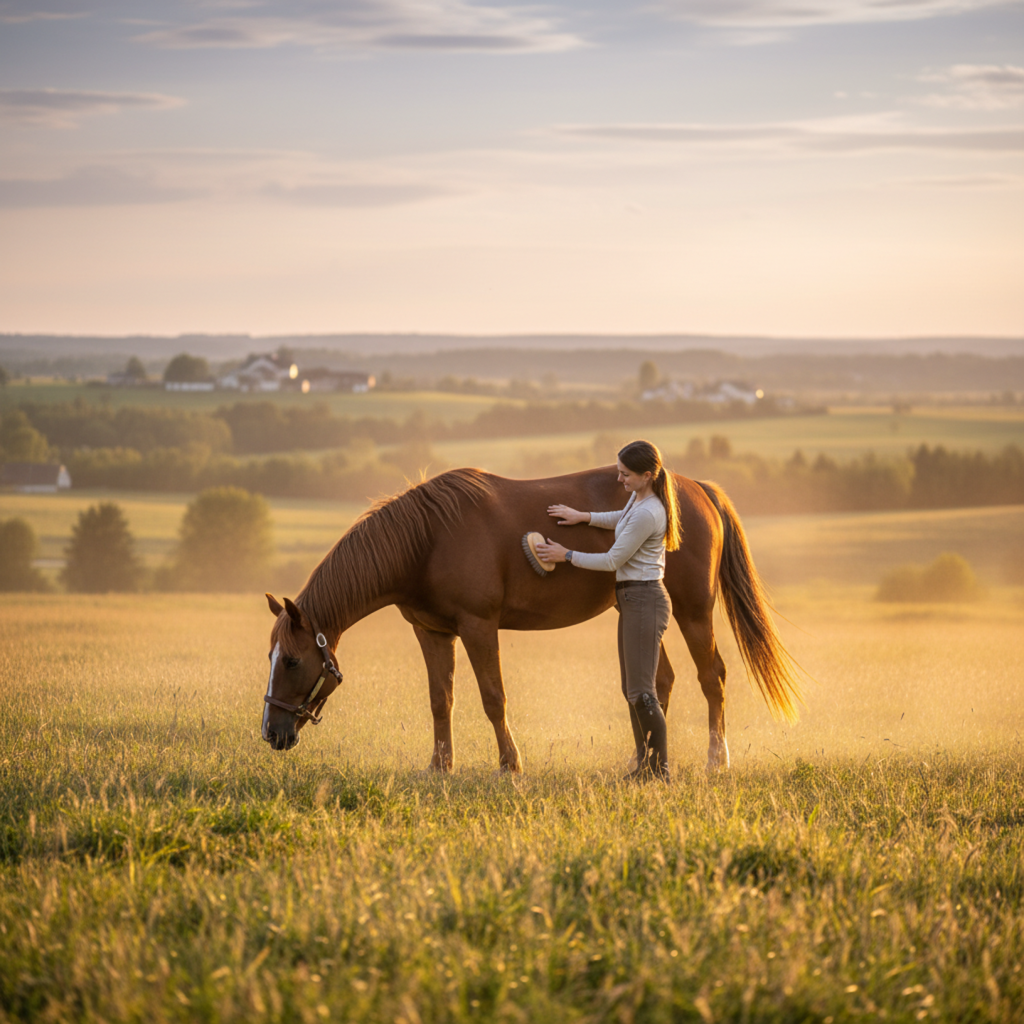
Owning a horse is a dream for many animal lovers—but it’s also a serious responsibility that requires preparation, knowledge, and commitment.
This Essential Horse Ownership Guide for Beginners is designed to help first-time horse owners understand what it truly takes to care for a horse safely and responsibly. Whether you’re planning to buy your first horse or simply exploring the idea, this guide will walk you through everything from costs and daily care to health management and training.
If you’re new to pet love obsession or animal care, you might also benefit from reading our detailed guides on beginner pet care basics at PetCareFables to understand the foundations of responsible animal ownership before stepping into the world of equine care.
As someone who has worked with horses in boarding facilities and assisted new owners during their first year of horse ownership, I’ve seen both the excitement and the challenges that come with it.
This guide combines practical experience with trusted veterinary and equine industry recommendations to ensure you receive accurate, helpful, and trustworthy information.
Why an Essential Horse Ownership Guide for Beginners Matters
Horses are not like dogs or cats. They are large prey animals with complex physical and emotional needs. According to the American Association of Equine Practitioners, proper horse care includes balanced nutrition, regular veterinary care, dental maintenance, and safe housing. Failing to meet these needs can lead to serious health and behavioral problems.
Unlike smaller pets, horses require:
- Daily physical care
- Regular exercise
- Specialized veterinary services
- Significant financial investment
- Proper land or boarding facilities
Understanding these factors before purchasing a horse prevents costly mistakes and ensures your horse lives a healthy, happy life.
1. Understanding the Real Cost of Horse Ownership
One of the most common beginner questions is: How much does it cost to own a horse?
Initial Costs:
- Purchase price ($1,000–$10,000+ depending on breed and training)
- Pre-purchase veterinary exam
- Tack (saddle, bridle, grooming tools)
- Transport
Ongoing Monthly Costs:
- Boarding fees ($300–$1,000+)
- Feed and hay
- Farrier visits (every 6–8 weeks)
- Veterinary care
- Insurance
A healthy horse eats 1.5–2% of its body weight in forage daily. For a 1,000-pound horse, that’s around 15–20 pounds of hay per day.
💡 Pro Tip: Always budget for emergency vet care. Colic surgery, for example, can cost thousands of dollars.
2. Choosing the Right Horse for Beginners
Not all horses are suitable for first-time owners. Look for:
- Calm temperament
- Prior training
- Experience with beginner riders
- Sound health history
Breeds like the Quarter Horse and Morgan horse are often recommended for beginners due to their steady nature and versatility.
Avoid:
- Young, untrained horses
- Horses with behavioral issues
- High-strung performance breeds (unless you have trainer support)
3. Housing and Shelter Requirements
Your horse needs:
- Safe fencing (no barbed wire)
- Clean, dry shelter
- Adequate pasture
- Proper drainage
Many beginners opt for boarding at a professional stable. Boarding provides:
- Daily feeding
- Stall cleaning
- Experienced supervision
- Access to arenas and trails
If you keep a horse at home, you must commit to daily care without exception—even in extreme weather.
4. Essential Horse Nutrition for Beginners
A horse’s digestive system is sensitive and designed for constant grazing.
Core Diet:
- High-quality hay or pasture
- Fresh, clean water (5–10 gallons daily)
- Mineral supplements (if recommended)
Grain is not always necessary and can cause metabolic issues if overfed.
The American Veterinary Medical Association emphasizes gradual dietary changes to prevent colic and laminitis.
💡 Never make sudden feed changes.
5. Daily Care Routine
Your Essential Horse Ownership Guide for Beginners must include realistic daily expectations.
Daily tasks:
- Check for injuries
- Refill water
- Provide feed
- Clean stall (if stalled)
- Groom
Weekly tasks:
- Clean tack
- Inspect fencing
- Deep clean water buckets
Grooming builds trust and allows you to spot health issues early.
6. Veterinary and Preventative Care
Routine health care includes:
- Annual vaccinations
- Dental floating (once per year)
- Deworming schedule
- Farrier visits
Common health concerns beginners should know:
Colic
A life-threatening digestive emergency.
Laminitis
Painful inflammation in the hoof.
Thrush
A bacterial hoof infection.
Working with an equine veterinarian ensures preventative care is tailored to your horse’s needs.
For reliable veterinary information, consult trusted sources like the American Association of Equine Practitioners.
(External Link: https://aaep.org/horsehealth)
7. Training and Handling Basics
Even calm horses need consistent handling.
Key beginner training tips:
- Use clear, calm body language
- Never stand directly behind a horse
- Always wear proper footwear
- Consider professional training lessons
Horses respond to pressure and release techniques. Inconsistent signals create confusion.
From experience, many beginner accidents happen due to lack of groundwork training—not riding.
8. Time Commitment and Lifestyle Impact
Owning a horse is not a casual hobby. It affects:
- Travel plans
- Budget
- Daily schedule
- Social life
You cannot skip care days. Horses depend entirely on their owners.
Ask yourself:
- Can I commit 365 days a year?
- Do I have backup care?
- Am I financially prepared?
9. Emotional Responsibility of Horse Ownership
Horses are intelligent, emotional animals. They form bonds and can develop anxiety if neglected.
As a beginner, expect:
- Learning curves
- Mistakes
- Frustrating days
- Extremely rewarding moments
The first time your horse greets you at the gate makes every early morning worth it.
10. Common Beginner Mistakes (And How to Avoid Them)
Mistake #1: Buying Too Quickly
Solution: Take lessons first.
Mistake #2: Skipping Professional Help
Solution: Work with a trainer.
Mistake #3: Underestimating Costs
Solution: Create a detailed budget.
Mistake #4: Feeding Too Much Grain
Solution: Consult a vet before adding concentrates.
11. Essential Equipment Checklist
Every Essential Horse Ownership Guide for Beginners should include a starter checklist:
- Halter and lead rope
- Grooming kit
- Saddle and bridle
- Fly protection
- First aid kit
- Hoof pick
Quality matters. Cheap tack can cause discomfort and injury.
12. Building a Support Network
Successful beginners surround themselves with:
- Experienced horse owners
- Trainers
- Reliable veterinarians
- Farriers
Joining a local riding club can provide mentorship and community.
13. Is Horse Ownership Right for You?
Before buying, try:
- Leasing a horse
- Volunteering at a stable
- Taking riding lessons
- Shadowing an experienced owner
These experiences give you realistic expectations.
14. Understanding Horse Behavior and Body Language
A truly complete Essential Horse Ownership Guide for Beginners must include an understanding of equine psychology. Horses are prey animals. Their survival instincts make them highly sensitive to movement, sound, and human energy.
Learning basic body language can prevent accidents and build trust.
Signs of Relaxation:
-
Soft eyes
-
Lowered head
-
Resting hind leg
-
Slow blinking
Signs of Stress or Fear:
-
Wide eyes showing white (whale eye)
-
Tense neck
-
Pinned ears
-
Swishing tail
-
Pawing or stomping
In my experience assisting new owners, many behavioral issues stem from misunderstanding fear responses. A horse that “spooks easily” is often reacting naturally to perceived danger. Calm leadership and consistent handling build confidence over time.
Spend time observing your horse in pasture. The more you understand their subtle cues, the safer and stronger your partnership becomes.
15. Seasonal Horse Care Considerations
Horse care changes with the seasons, and beginners often underestimate this.
Summer Care:
-
Provide constant shade.
-
Ensure unlimited fresh water.
-
Use fly masks and fly sheets.
-
Monitor for heat stress (excess sweating or lethargy).
Winter Care:
-
Increase hay intake (forage helps generate body heat).
-
Prevent water from freezing.
-
Check blankets daily if used.
-
Watch for weight loss.
According to equine health guidelines from the American Association of Equine Practitioners, hydration is critical year-round. Dehydration increases the risk of colic—even in winter.
💡 Practical Tip: Use heated buckets during winter to encourage drinking.
16. Emergency Preparedness for Horse Owners
Emergencies can happen at any time. Responsible beginners prepare in advance.
Create an equine emergency kit including:
-
Digital thermometer
-
Stethoscope
-
Bandaging materials
-
Antiseptic solution
-
Flashlight
-
Vet contact numbers
Know your horse’s normal vital signs:
-
Temperature: 99–101°F
-
Pulse: 28–44 beats per minute
-
Respiration: 8–15 breaths per minute
If your horse refuses food, rolls repeatedly, or appears in severe pain—call a veterinarian immediately.
Having a trailer accessible for emergency transport can save precious time.
17. The Importance of Hoof Care
The saying “No hoof, no horse” exists for a reason.
Horses require farrier care every 6–8 weeks. Hooves grow continuously and must be trimmed to prevent imbalance or cracking.
Common hoof issues beginners face:
-
Thrush
-
Abscesses
-
Cracks
-
Overgrown hooves
Clean hooves daily using a hoof pick. Check for stones, debris, and foul smell (which may indicate infection).
In my experience, beginners often overlook hoof cleaning, yet it is one of the simplest preventative care habits.
18. Tack Fit and Saddle Safety
Improperly fitted tack can cause:
-
Back pain
-
Behavioral resistance
-
Saddle sores
-
Long-term injury
When buying a saddle, consult a professional saddle fitter or trainer. A poorly fitted saddle can create pressure points that damage muscle tissue over time.
Signs of poor saddle fit:
-
White hair patches
-
Swelling
-
Dry spots after sweating
-
Reluctance to move forward
Always check girth tightness gradually. Tightening too quickly can cause discomfort.
19. Mental Stimulation and Enrichment
Horses need mental stimulation—not just physical exercise.
Ways to enrich your horse’s life:
-
Groundwork sessions
-
Trail rides
-
Obstacle training
-
Pasture turnout with compatible companions
-
Slow feeder hay nets
Horses are social herd animals. Isolation can cause stress and behavioral problems.
If boarding, ensure your facility allows safe turnout time. Horses confined to stalls 24/7 may develop stable vices like cribbing or weaving.
20. Leasing vs. Buying: A Smart Beginner Decision
Many experienced trainers recommend leasing before buying.
Leasing allows you to:
-
Learn responsibility gradually
-
Reduce financial risk
-
Test compatibility
-
Gain experience without full commitment
Full ownership is a long-term responsibility that can last 20–30 years. Leasing first provides real-world insight into daily care routines.
21. Insurance and Legal Considerations
Horse ownership also includes legal responsibility.
Consider:
-
Mortality insurance
-
Major medical coverage
-
Liability insurance
If someone is injured while riding your horse, you could be legally responsible.
Keep clear records of:
-
Vaccinations
-
Vet visits
-
Purchase agreements
-
Boarding contracts
Professional documentation builds long-term protection and credibility.
22. Long-Term Health Planning
Horses live 25–30 years on average. Planning ahead ensures quality of life through every stage.
As horses age, they may require:
-
Special senior feed
-
Joint supplements
-
More frequent dental care
-
Lighter workloads
Preventative care is always less expensive than emergency treatment.
23. Building Trust With Your First Horse
Trust is not built overnight. It develops through consistency.
Daily habits that strengthen trust:
-
Speaking calmly
-
Moving slowly around them
-
Rewarding positive behavior
-
Being patient during training
Your horse learns from every interaction. Inconsistent handling creates confusion. Clear boundaries create security.
One of the most powerful experiences for beginners is when a horse willingly follows without a lead rope. That moment reflects true connection.
24. Continuing Education for Horse Owners
Responsible beginners never stop learning.
Consider:
-
Attending equine clinics
-
Taking riding lessons regularly
-
Reading veterinary publications
-
Following educational material from the American Veterinary Medical Association
Knowledge protects both you and your horse.
25. Final Thoughts: Confidence Comes From Preparation
This expanded Essential Horse Ownership Guide for Beginners now covers:
-
Financial preparation
-
Horse selection
-
Nutrition and health
-
Emergency care
-
Hoof and tack management
-
Seasonal planning
-
Legal responsibilities
-
Emotional bonding
Horse ownership is not just about fulfilling a dream—it’s about stewardship. With preparation, education, and patience, beginners can become confident, capable horse owners.
If you are serious about starting your journey, take lessons, visit local barns, ask questions, and build your support system before purchasing.
The most successful horse owners are not the ones who rush—but the ones who prepare.
Conclusion: Your Journey Starts with Preparation
This Essential Horse Ownership Guide for Beginners has covered the fundamental aspects of owning a horse—costs, care, nutrition, housing, health, and training. Horse ownership is deeply rewarding but requires serious responsibility.
If you’re ready to take the next step, continue educating yourself, connect with professionals, and plan carefully. Responsible ownership ensures your horse thrives physically and emotionally.
Owning a horse isn’t just about riding—it’s about partnership, trust, and lifelong commitment.
