
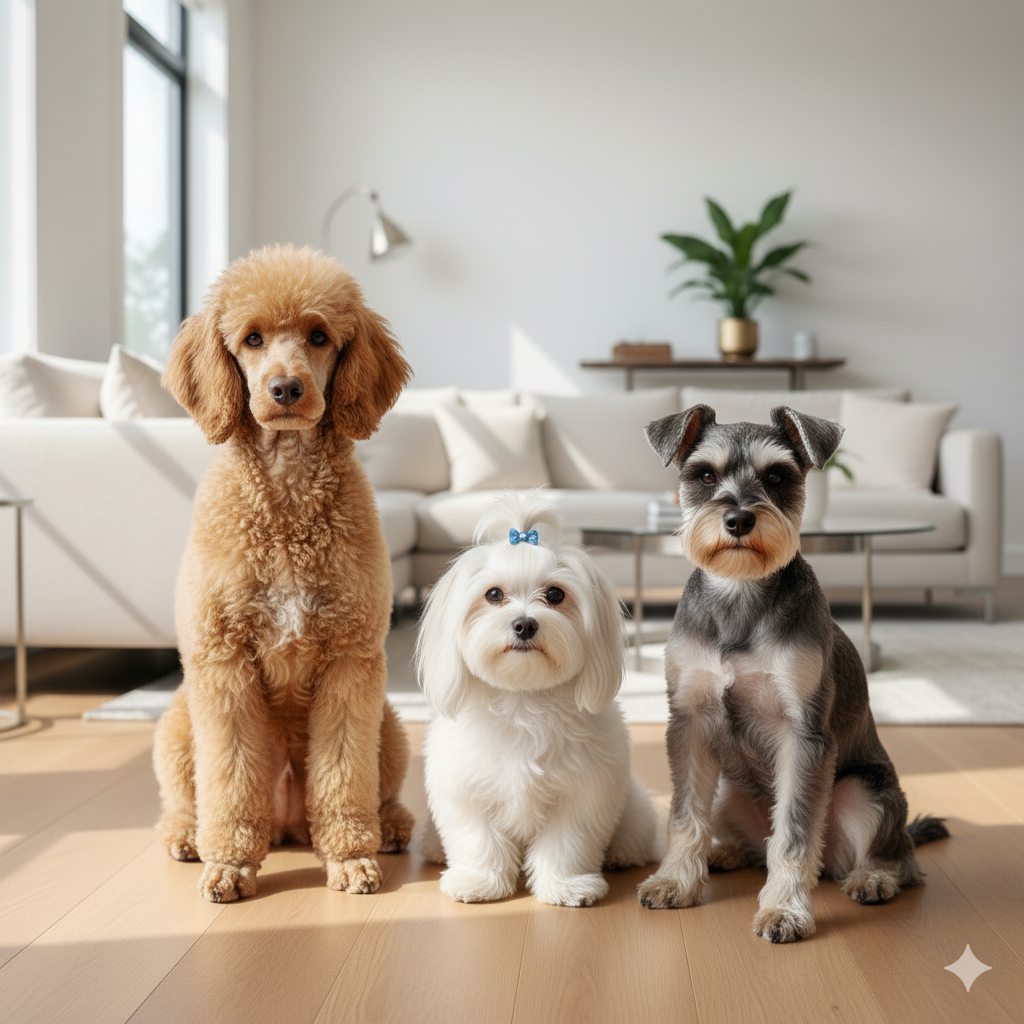
If you love dogs but hate constant vacuuming, you’re not alone. Many pet owners search for dogs that barely shed because they want a clean home, fewer allergy triggers, and less fur on clothes and furniture.
As someone who has worked closely with dog owners and researched breed behavior, coat types, and grooming needs for years, I’ve seen firsthand how choosing the right low-shedding breed can completely transform the pet-owning experience.
Grooming is the initial part of everything. There are also other things which are included in Allergy-Friendly Home but all you need is best grooming. Your dog deserves the best, and with these steps (Mentioned in this article) you’re well on the path to delivering top-notch grooming.
In this comprehensive guide, we’ll explore the best dogs that barely shed, why some breeds shed less, common myths about “hypoallergenic” dogs, grooming tips, and practical advice to help you choose the right companion.
What Does “Dogs That Barely Shed” Really Mean?
Before diving into breed recommendations, it’s important to clarify something: no dog is completely non-shedding.
All dogs lose hair as part of their natural hair growth cycle. However, some breeds:
- Shed very minimally
- Have hair instead of fur
- Have single coats instead of double coats
- Trap loose hair within curls
These breeds are often referred to as “low-shedding” or “hypoallergenic.”
According to the American Kennel Club, coat type plays a major role in how much a dog sheds. Curly-coated and single-coated breeds tend to shed significantly less than double-coated breeds like Huskies or German Shepherds.
Why Do Some Dogs Barely Shed?
The amount a dog sheds depends on:
1. Coat Type
- Single Coat: Less shedding (e.g., Poodles)
- Double Coat: Seasonal heavy shedding (e.g., Labrador Retrievers)
2. Hair Growth Cycle
Dogs with continuously growing hair (like Poodles) require grooming but shed less.
3. Genetics
Certain breeds were selectively bred to reduce shedding.
4. Health & Nutrition
Poor diet or skin issues can increase shedding in any breed.
Best Dogs That Barely Shed
Here are some of the most popular and reliable low-shedding dog breeds.
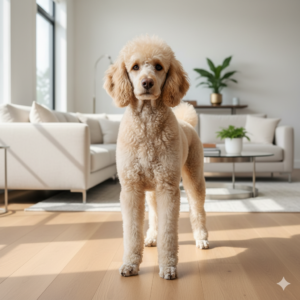
1. Poodle
Shedding Level: Very Low
Sizes Available: Toy, Miniature, Standard
Poodles are often considered the gold standard among dogs that barely shed. Their curly coat traps loose hair instead of letting it fall around your home.
Why they’re great:
- Highly intelligent
- Easy to train
- Good for allergy-sensitive families
Challenge:
They require professional grooming every 4–8 weeks.
2. Bichon Frise
Shedding Level: Very Low
This small, fluffy breed is known for its cotton-like coat that sheds minimally.
Pros:
- Friendly personality
- Great for apartments
- Minimal loose hair
Cons:
Daily brushing required to prevent matting.
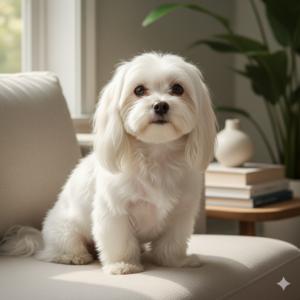
3. Maltese
Shedding Level: Very Low
Maltese dogs have long, silky hair that resembles human hair more than typical dog fur.
Real-life note:
One of my clients switched from a Labrador to a Maltese due to allergies. Within weeks, their home felt cleaner, and allergy symptoms improved significantly.
Care Tip:
Regular grooming prevents tangles.
4. Portuguese Water Dog
Shedding Level: Low
This energetic breed became widely known after being chosen by Barack Obama for the White House, partly due to allergy considerations.
They have a dense, curly coat that sheds very little.
Best For:
Active families who enjoy outdoor activities.
5. Shih Tzu
Shedding Level: Low
Despite their glamorous coat, Shih Tzus shed far less than many other small breeds.
Important:
Their long coat requires consistent brushing or trimming.
6. Yorkshire Terrier
Shedding Level: Very Low
Yorkies have fine, hair-like coats similar to humans.
Great For:
- Apartment living
- Owners wanting minimal hair cleanup
7. Schnauzer
Available in Miniature, Standard, and Giant sizes.
Shedding Level: Low
Their wiry coat sheds minimally but requires hand-stripping or grooming.
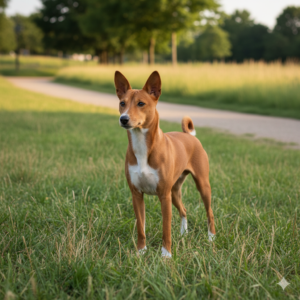
8. Basenji
Shedding Level: Very Low
Often called the “barkless dog,” Basenjis groom themselves like cats.
Bonus:
Short coat = easy maintenance.
Are Low-Shedding Dogs Hypoallergenic?
The term “hypoallergenic dog” can be misleading.
According to the American College of Allergy, Asthma & Immunology, pet allergies are caused primarily by dander (dead skin cells), saliva, and urine — not just fur.
So while dogs that barely shed may reduce allergens in your environment, no breed is 100% allergy-proof.
Challenges of Owning Dogs That Barely Shed
Low shedding doesn’t mean low maintenance.
Common Issues:
- Matting if not brushed
- Professional grooming costs
- Skin sensitivity
- Higher grooming time
Practical Solutions:
- Schedule grooming every 4–6 weeks
- Use high-quality dog shampoo
- Invest in proper brushes
- Feed a balanced diet rich in Omega-3 fatty acids
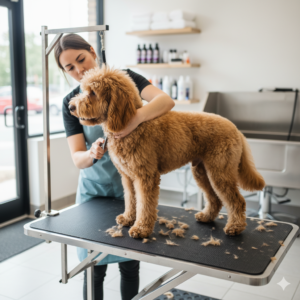
Grooming Tips for Dogs That Barely Shed
- Brush 3–5 times per week
- Bathe monthly (unless vet suggests otherwise)
- Trim around eyes and paws regularly
- Clean ears to prevent infections
In my experience, most shedding complaints actually result from poor grooming habits rather than breed choice.
Best Dogs That Barely Shed for Families
- Poodle
- Bichon Frise
- Portuguese Water Dog
These breeds balance temperament, trainability, and shedding control.
Best Low-Shedding Dogs for Apartments
- Maltese
- Yorkshire Terrier
- Shih Tzu
Their smaller size makes them ideal for limited spaces.
How to Choose the Right Low-Shedding Dog
Ask yourself:
- Do I have time for grooming?
- Do I prefer small or large breeds?
- Is anyone in the home allergic?
- What is my activity level?
Spend time with the breed before adoption if possible.
Real-Life Experience: What Most Owners Don’t Expect
Many people assume that choosing dogs that barely shed means less work overall. But in reality:
- You trade shedding for grooming
- You’ll need consistent maintenance
- Hair may not fall — but it will tangle
However, the benefit is clear:
Less hair on clothes, cleaner floors, and reduced allergy flare-ups.
Comparing Dogs That Barely Shed vs Heavy Shedding Breeds
Understanding the difference between dogs that barely shed and heavy shedding breeds helps set realistic expectations before adoption.
Coat Structure Differences
Low-shedding dogs typically have:
-
Hair instead of fur
-
Single-layer coats
-
Slow shedding cycles
-
Curls or wiry textures that trap loose hair
Heavy shedding breeds often have:
-
Thick double coats
-
Seasonal “blowouts”
-
Rapid hair turnover
-
Fur designed for temperature regulation
For example, a Poodle’s curly coat traps loose strands until brushing removes them. In contrast, double-coated breeds like Huskies naturally release undercoat fur in large amounts during seasonal changes.
Seasonal Shedding: What to Expect
Even dogs that barely shed may experience minor seasonal shedding, especially during climate transitions.
Common triggers include:
-
Weather changes
-
Hormonal shifts
-
Stress
-
Dietary imbalance
If you notice increased shedding in a normally low-shedding breed, consider:
-
Reviewing their diet
-
Checking for skin dryness
-
Consulting a veterinarian
-
Improving brushing frequency
In my experience working with dog owners, most “unexpected shedding” issues were linked to poor grooming routines rather than breed problems.
Nutrition’s Role in Shedding Control
One overlooked factor when choosing dogs that barely shed is diet quality.
A dog’s coat health depends heavily on:
-
Omega-3 fatty acids
-
High-quality protein
-
Zinc
-
Vitamin E
Dogs fed low-quality food may shed more due to brittle hair and skin irritation.
Practical advice:
-
Choose vet-recommended premium dog food
-
Avoid excessive fillers
-
Add fish oil supplements (if vet-approved)
Healthy skin = healthier coat = controlled shedding.
Grooming Tools That Make a Difference
Choosing the right tools dramatically reduces loose hair buildup.
Recommended tools for low-shedding dogs:
-
Slicker brush (for curly coats)
-
Stainless steel comb
-
Detangling spray
-
Professional grooming clippers
Avoid over-brushing, as it can damage hair follicles and irritate the skin.
Are Mixed Breeds a Good Option?
Many people wonder if mixed breeds can also be dogs that barely shed.
The answer: Possibly — but not guaranteed.
Mixed breeds inherit coat traits from both parents. For example:
-
A Poodle mix may shed minimally
-
But if mixed with a heavy-shedding breed, shedding levels vary
Before adopting a mixed breed, ask about:
-
Parent breeds
-
Coat texture
-
Grooming history
Spending time with the dog before bringing them home can help assess shedding levels.
Long-Term Maintenance Cost Considerations
Low-shedding dogs often require:
-
Professional grooming every 4–6 weeks
-
Specialty shampoos
-
Regular trimming
Average grooming costs can range between $40–$120 per session depending on size and location.
So while you may vacuum less, you’ll likely spend more on grooming services.
Conclusion: Are Dogs That Barely Shed Right for You?
Choosing dogs that barely shed can significantly improve your home environment, especially if you struggle with allergies or excessive cleaning.
Breeds like the Poodle, Maltese, and Portuguese Water Dog offer excellent low-shedding qualities — but they require commitment to grooming.
If you’re ready for regular coat care in exchange for a cleaner home, these breeds may be the perfect fit. Take time to research, meet breeders or rescues, and consult your vet before making a final decision.
For more expert-backed pet care advice, continue exploring our guides at PetCareFables.
