
Owning a horse is a deeply rewarding experience, but it also comes with significant responsibility.
Understanding Common Equine Health Issues Every Owner Should Know is essential for protecting your horse’s well-being, performance, and longevity. Horses are powerful yet sensitive animals, and even minor health problems can escalate quickly without proper care.
As someone who has worked closely with horse owners, stable managers, and veterinary professionals for years, I’ve seen how early awareness can prevent emergencies.
From routine hoof care to recognizing the first signs of colic, informed owners consistently make better decisions. This guide will walk you through the most common equine health issues, practical prevention strategies, and when to seek veterinary care.
If you’re new to horse ownership, you may also find our in-depth guide on Essential Horse Ownership Guide for Beginners helpful to build a strong foundation for responsible ownership.
Why Understanding Equine Health Matters
Horses are prey animals. They instinctively hide signs of pain or weakness, which makes it harder for owners to detect illness early. By understanding common equine health problems, you can:
- Recognize subtle warning signs
- Prevent costly emergency treatments
- Improve your horse’s quality of life
- Extend your horse’s lifespan
Let’s explore the most important conditions every owner should know.
1. Colic: The Most Common Equine Emergency
What Is Colic?
Colic refers to abdominal pain in horses. It is not a single disease but a symptom of digestive distress. It is one of the leading causes of death in horses worldwide.
Common Causes
- Sudden feed changes
- Poor-quality hay
- Dehydration
- Intestinal blockage
- Gas buildup
Warning Signs
- Pawing at the ground
- Rolling excessively
- Looking at the flank
- Loss of appetite
- Sweating without exercise
In severe cases, horses may throw themselves down in pain.
Prevention Tips
- Provide consistent feeding schedules
- Ensure constant access to clean water
- Introduce feed changes gradually
- Maintain regular deworming
- Encourage daily movement
According to the American Association of Equine Practitioners, rapid veterinary intervention significantly improves survival rates in colic cases.
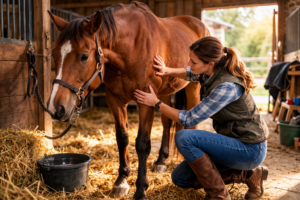
2. Laminitis (Founder)
What Is Laminitis?
Laminitis is a painful inflammatory condition affecting the tissues (laminae) that bond the hoof wall to the coffin bone.
Causes
- Overfeeding grain
- Sudden access to lush pasture
- Obesity
- Metabolic disorders
- Excessive concussion on hard ground
Symptoms
- Reluctance to move
- Warm hooves
- Strong digital pulse
- Shifting weight frequently
Real-Life Insight
I once worked with a pony that developed laminitis after being turned out on spring grass for just two days. The owner didn’t realize how high sugar content in fresh pasture could trigger inflammation. Controlled grazing and dietary management prevented recurrence.
Prevention
- Monitor body weight
- Limit pasture access in high-risk seasons
- Provide balanced nutrition
- Schedule regular farrier visits
Early detection is critical. Laminitis can become chronic and permanently damage the hoof structure.
3. Respiratory Issues (Heaves/RAO)
What Is Heaves?
Also known as Recurrent Airway Obstruction (RAO), this condition is similar to asthma in humans.
Triggers
- Dusty hay
- Mold spores
- Poor stable ventilation
Symptoms
- Persistent coughing
- Nasal discharge
- Labored breathing
- Reduced stamina
Solutions
- Soak or steam hay
- Improve barn ventilation
- Turn horses out regularly
- Use dust-free bedding
Chronic respiratory problems can severely impact performance horses if not managed properly.
4. Equine Influenza
Equine influenza is a highly contagious viral infection affecting the respiratory system.
Signs
- Fever
- Dry cough
- Nasal discharge
- Lethargy
Vaccination is the best prevention method. Regular immunization schedules should be discussed with your veterinarian.
5. Hoof Problems
“No hoof, no horse” is a saying every owner should remember.
Common Hoof Issues
- Thrush
- Abscesses
- Cracks
- White line disease
Prevention
- Clean hooves daily
- Schedule farrier visits every 6–8 weeks
- Maintain dry, clean bedding
Regular hoof care reduces lameness risk significantly.
6. Skin Conditions (Rain Rot & Sweet Itch)
Rain Rot
Caused by bacteria in wet conditions.
Sweet Itch
An allergic reaction to insect bites.
Symptoms
- Hair loss
- Scabbing
- Intense itching
Management
- Keep horse dry
- Use fly sheets
- Apply vet-recommended topical treatments
7. Equine Gastric Ulcers
Many performance horses suffer from gastric ulcers due to stress and high-grain diets.
Risk Factors
- Limited forage
- High-intensity training
- Frequent travel
Signs
- Poor appetite
- Weight loss
- Behavioral changes
- Girth sensitivity
Feeding small, frequent meals and constant access to forage helps reduce risk.
8. Parasites and Worm Infestation
Internal parasites can cause:
- Weight loss
- Poor coat condition
- Diarrhea
- Colic
Modern parasite control focuses on targeted deworming based on fecal egg counts rather than blind rotation.
9. Joint Problems & Arthritis
Older horses are particularly prone to arthritis.
Symptoms
- Stiffness
- Reduced flexibility
- Swelling
Prevention
- Proper warm-up routines
- Joint supplements
- Weight management
Early joint support can significantly delay progression.
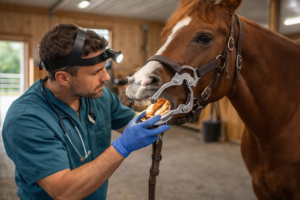
10. Dental Problems
Horses’ teeth grow continuously.
Signs of Dental Issues
- Dropping feed
- Weight loss
- Head tossing
- Bad breath
Annual dental exams are essential.
Common Challenges Horse Owners Face
1. Recognizing Early Symptoms
Because horses hide pain, subtle behavior changes matter.
2. Cost of Veterinary Care
Preventive care is cheaper than emergency treatment.
3. Nutrition Confusion
Many owners overfeed concentrates and underfeed forage.
4. Seasonal Risks
Spring pasture and winter dehydration increase health risks.
Practical Health Monitoring Checklist
Daily:
- Check appetite
- Observe manure consistency
- Monitor water intake
- Inspect hooves
Weekly:
- Body condition scoring
- Coat inspection
- Check for swelling or injuries
Monthly:
- Weight tracking
- Review feed plan
When to Call a Veterinarian Immediately
- Severe colic signs
- High fever
- Labored breathing
- Sudden lameness
- Profuse bleeding
Never wait if symptoms escalate rapidly.
The Importance of Preventive Care
Preventive care includes:
- Vaccinations
- Deworming
- Dental exams
- Regular farrier visits
- Balanced nutrition
Owners who follow consistent preventive care schedules report fewer emergency incidents.
Frequently Asked Questions
How often should I deworm my horse?
Modern protocols recommend fecal egg count testing rather than fixed schedules.
What is a normal temperature for a horse?
99–101.5°F (37.2–38.6°C).
How do I know if my horse is in pain?
Changes in behavior, appetite, posture, or movement are key indicators.
Can stable management reduce health risks?
Absolutely. Clean water, ventilation, and routine exercise are essential.
Seasonal Equine Health Risks Every Owner Should Monitor
When discussing Common Equine Health Issues Every Owner Should Know, seasonal risks are often overlooked. However, many health problems are directly linked to weather changes, pasture conditions, and environmental stressors.
Spring: The Laminitis Danger Zone
Spring grass contains high levels of non-structural carbohydrates (sugars), which can trigger laminitis—especially in ponies and easy keepers. Owners often underestimate how quickly fresh pasture can cause metabolic overload.
Practical tip:
Introduce pasture gradually. Start with 15–30 minutes of turnout and increase slowly over two weeks. Using a grazing muzzle can also help limit intake.
Spring is also peak season for parasites. Warmer temperatures allow larvae to thrive in pastures, making fecal egg count testing particularly important.
Summer: Heat Stress & Dehydration
Horses can sweat heavily during hot weather, leading to dehydration and electrolyte imbalance. Signs of heat stress include:
- Rapid breathing
- Excessive sweating
- Weakness
- Elevated heart rate
Always provide unlimited access to fresh water and consider electrolyte supplementation during extreme heat.
Flies and biting insects are also major summer concerns. Conditions like sweet itch can worsen significantly without fly control measures.
Fall: Respiratory and Immune Concerns
Fall brings fluctuating temperatures, which can stress the immune system. Dusty conditions during dry months can also increase respiratory irritation.
Ensure hay storage areas are dry and mold-free. Respiratory health is especially important in performance horses.
Winter: Colic & Weight Loss Risks
Cold weather reduces water intake, increasing the risk of impaction colic. Horses may also burn more calories to maintain body temperature.
Prevention strategy:
- Offer slightly warmed water
- Increase forage intake
- Monitor body condition score closely
Many winter colic cases could be prevented with proper hydration management.
Metabolic Disorders in Horses
Beyond common issues like colic and laminitis, metabolic disorders are increasingly diagnosed.
Equine Metabolic Syndrome (EMS)
EMS is linked to insulin resistance and obesity. Horses with this condition are at higher risk of laminitis.
Common signs include:
- Fat deposits along the crest of the neck
- Difficulty losing weight
- Recurrent laminitis episodes
Managing EMS requires:
- Low-sugar diet
- Controlled grazing
- Regular exercise
Pituitary Pars Intermedia Dysfunction (PPID)
Also known as Cushing’s disease, PPID commonly affects older horses.
Symptoms may include:
- Long, curly coat that doesn’t shed properly
- Increased thirst and urination
- Muscle loss
Early diagnosis improves quality of life through medication and dietary adjustments.
Biosecurity: Protecting Your Horse from Infectious Disease
Biosecurity is an essential but often neglected part of equine health management.
When bringing a new horse to your property:
- Isolate for 14 days
- Monitor temperature daily
- Avoid shared equipment
Contagious diseases spread rapidly in barns and at shows. Simple hygiene practices—like washing hands and disinfecting tools—can prevent outbreaks.
Nutrition Mistakes That Lead to Health Problems
Improper feeding is one of the biggest contributors to common equine health issues.
Overfeeding Grain
Many owners believe more grain equals more energy and better performance. In reality, excess grain can lead to:
- Colic
- Gastric ulcers
- Laminitis
- Obesity
Horses are designed to graze forage for most of the day. Hay should form the foundation of their diet.
Underestimating Forage Quality
Poor-quality hay can cause:
- Weight loss
- Respiratory problems (due to dust or mold)
- Digestive disturbances
Whenever possible, test hay for nutrient composition to ensure balanced feeding.
Behavioral Changes: The First Sign Something Is Wrong
One of the most important lessons in understanding Common Equine Health Issues Every Owner Should Know is that behavior often changes before physical symptoms become obvious.
Watch for:
- Increased irritability
- Reduced performance
- Resistance under saddle
- Changes in social interaction
A horse refusing jumps or acting “lazy” may actually be experiencing pain. Subtle signs deserve attention.
Building a Strong Veterinary Partnership
A trusted veterinarian is your most valuable resource.
Schedule:
- Annual wellness exams
- Vaccination updates
- Dental floating
- Fecal testing
Maintaining detailed health records helps identify patterns and recurring issues.
Open communication with your vet allows for early intervention rather than crisis management.
Creating a Preventive Care Calendar
Staying organized reduces the risk of missing critical care steps.
Your annual calendar should include:
- Vaccination schedule
- Deworming protocol
- Farrier visits (every 6–8 weeks)
- Dental exams (once yearly)
- Body condition scoring
Many experienced owners use digital reminders or stable management apps to stay on track.
Emergency Preparedness for Horse Owners
Emergencies happen unexpectedly. Being prepared can save precious time.
Keep on hand:
- Thermometer
- Stethoscope
- Basic first-aid kit
- Vet contact information
- Trailer access plan
Knowing your horse’s normal vital signs (temperature, pulse, respiration) helps you recognize abnormalities quickly.
The Emotional Responsibility of Horse Ownership
Beyond physical care, responsible ownership means emotional commitment. Horses rely entirely on humans for health, safety, and comfort. Staying informed about Common Equine Health Issues Every Owner Should Know isn’t just about preventing disease—it’s about honoring that responsibility.
Every experienced owner will tell you the same thing: the more you learn, the more confident and capable you become. Preventive care, observation, and consistent management are the pillars of long-term equine health.
For a more detailed breakdown of symptoms, treatment options, and emergency response guidelines, refer to the American Association of Equine Practitioners’ colic resource guide.
Conclusion
Understanding Common Equine Health Issues Every Owner Should Know empowers you to act quickly and responsibly. From colic and laminitis to respiratory disease and joint problems, awareness is your first line of defense. Horses depend entirely on their owners for health and safety.
Prevention, observation, and early intervention can dramatically reduce suffering and veterinary costs. Stay informed, maintain a regular care schedule, and never hesitate to consult a veterinarian when something feels off.
For more expert pet care guidance, explore additional resources on PetCareFables and continue building your knowledge as a responsible horse owner.
