
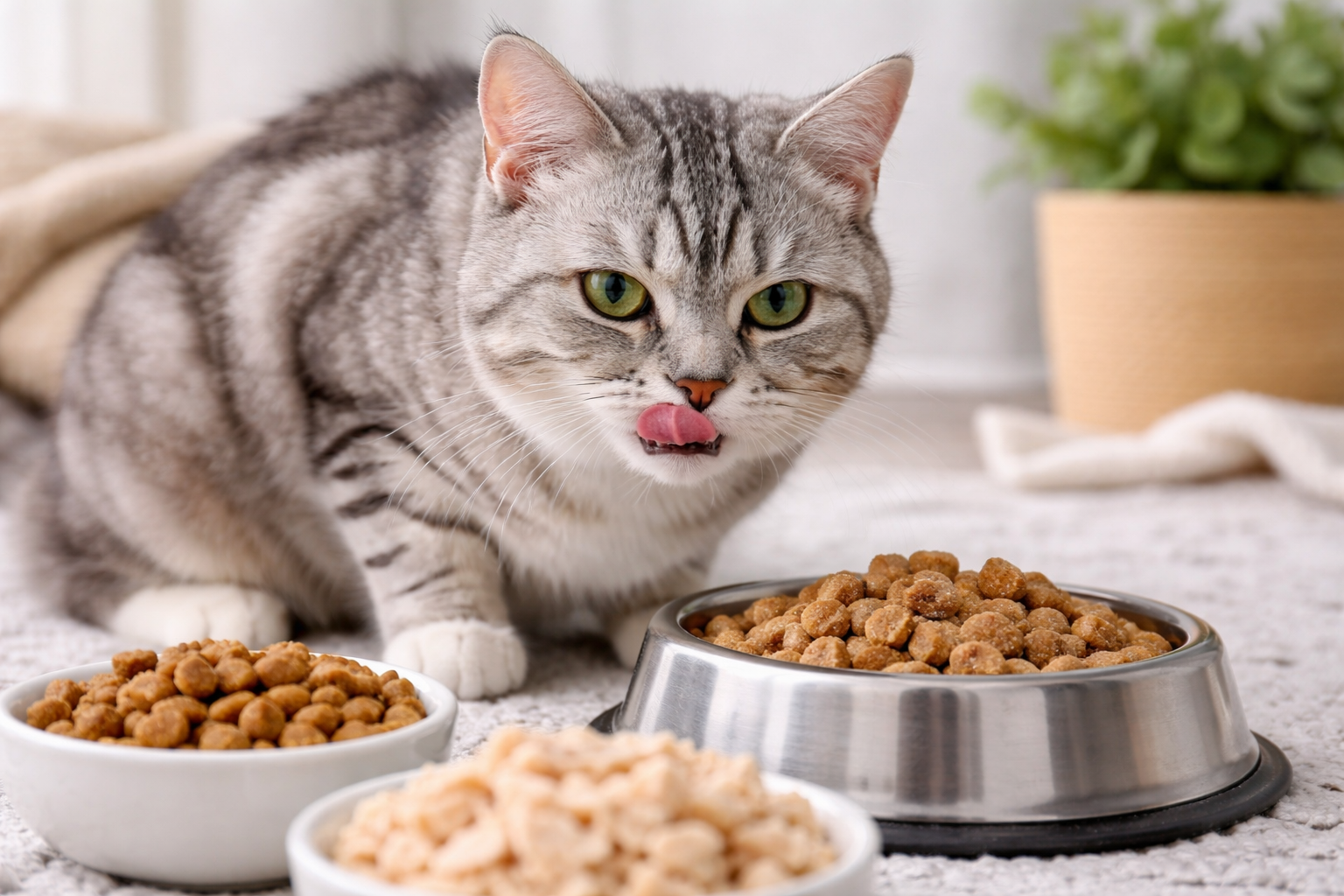
Introduction: Why Cats With Sensitive Stomach Need Special Attention
Cats with sensitive stomach often struggle with vomiting, diarrhea, gas, poor appetite, or frequent hairballs—issues that can quickly worry even experienced cat parents. A sensitive stomach doesn’t always mean a serious illness, but it does signal that your cat’s digestive system needs extra care and thoughtful management.
As someone who regularly researches feline health, works with real cat owners, and studies vet-approved nutrition guidance, I’ve seen how digestive sensitivity can affect a cat’s energy, mood, coat quality, and overall comfort. Many owners think occasional vomiting is “normal,” but in cats with sensitive stomach, repeated digestive upset is a sign that something isn’t working.
Digestive discomfort can also influence behavior. If your cat shows unusual crying or restlessness along with stomach issues, you may find helpful insights in our guide on why cats howl, which explains how physical discomfort can trigger vocal changes.
This complete guide will help you understand what sensitive stomach in cats really means, why it happens, and how you can support your cat’s digestion safely and effectively.
What Does “Sensitive Stomach” Mean in Cats?
Cats with sensitive stomach have a digestive system that reacts poorly to certain foods, ingredients, or changes. Their gut may struggle to process fats, proteins, or additives, leading to repeated digestive upset.
Common Signs of a Sensitive Stomach in Cats
- Frequent vomiting (especially after meals)
- Loose stools or diarrhea
- Constipation or alternating stool consistency
- Excessive gas or bloating
- Poor appetite or picky eating
- Lethargy after eating
- Weight loss in chronic cases
A sensitive stomach can affect cats of any age, breed, or lifestyle, including indoor-only cats.
Common Causes of Sensitive Stomach in Cats
Understanding the root cause is the key to long-term digestive health.
1. Food Intolerances or Allergies
One of the most common reasons cats develop sensitive stomachs is dietary intolerance.
Problematic ingredients may include:
- Certain animal proteins (chicken, beef)
- Dairy products
- Artificial flavors or preservatives
- Low-quality fillers
Unlike allergies, intolerances may not cause skin reactions but instead trigger digestive symptoms only.
2. Sudden Diet Changes
Cats have delicate digestive systems. Switching food too quickly can cause:
- Vomiting
- Diarrhea
- Refusal to eat
Cats with sensitive stomach need slow, gradual transitions when changing diets.
3. Hairballs and Over-Grooming
Hair swallowed during grooming can irritate the stomach lining, especially in long-haired cats. Frequent hairballs can:
- Cause vomiting
- Reduce appetite
- Lead to stomach inflammation
4. Stress and Anxiety
Stress has a direct effect on digestion. Common stressors include:
- Moving homes
- New pets
- Changes in routine
- Loud environments
Stress can alter gut motility and worsen symptoms in cats with sensitive stomach.
5. Underlying Health Conditions
Chronic digestive sensitivity may be linked to:
- Inflammatory bowel disease (IBD)
- Parasites
- Pancreatic issues
- Infections
Persistent symptoms always require veterinary evaluation.
Breeds More Prone to Sensitive Stomach
While any cat can develop digestive issues, some breeds appear more sensitive:
- Siamese
- Bengal
- Sphynx
- Persian
- Oriental Shorthair
Breed tendency doesn’t guarantee problems, but it increases risk.
How Veterinarians Diagnose Sensitive Stomach in Cats
A vet may recommend:
- Fecal testing
- Blood work
- Ultrasound (in chronic cases)
- Elimination diet trials
Diagnosis focuses on ruling out serious disease first, then identifying dietary or lifestyle triggers.
Best Diet for Cats With Sensitive Stomach
Diet is the most important factor in managing digestive sensitivity.
1. Choose Easily Digestible Proteins
Cats with sensitive stomach often tolerate:
- Single-protein diets
- Novel proteins (duck, rabbit, venison)
- Hydrolyzed protein diets
These reduce digestive workload and inflammation.
2. Avoid Common Irritants
Look for foods without:
- Artificial colors or flavors
- Excessive fat
- By-products
- Grains if your cat is grain-sensitive
Simple ingredient lists are usually better.
3. Wet Food vs Dry Food
Wet food can be helpful because:
- Higher moisture content
- Easier digestion
- Supports hydration
Some cats do best on a combination feeding plan.
Feeding Tips for Cats With Sensitive Stomach
- Feed smaller, more frequent meals
- Stick to consistent feeding times
- Avoid table scraps
- Use slow feeders if your cat eats too fast
- Transition new food over 7–10 days
Consistency helps stabilize digestion.
Real-Life Experience: A Digestive Turnaround
One cat owner I worked with had a 4-year-old cat who vomited several times a week. After ruling out illness, the vet suggested a limited-ingredient diet and stress reduction. Within one month:
- Vomiting reduced significantly
- Appetite improved
- Energy levels returned
This case shows how diet and environment together can transform digestive health in cats with sensitive stomach.
Managing Hairballs in Cats With Sensitive Stomach
Hairballs can worsen stomach sensitivity.
Helpful steps include:
- Daily brushing
- Hairball-control diets
- Vet-approved fiber supplements
- Occasional hairball remedies (as directed)
Reducing swallowed hair lowers stomach irritation.
Common Mistakes Cat Owners Make
1. Ignoring Frequent Vomiting
Vomiting more than once a week is not normal.
2. Changing Foods Too Often
Frequent switching confuses the digestive system.
3. Overfeeding Treats
Treats can trigger flare-ups in sensitive cats.
4. Self-Diagnosing Without Help
Chronic issues require professional guidance.
Can Cats With Sensitive Stomach Live a Normal Life?
Yes—absolutely.
With the right:
- Diet
- Feeding routine
- Stress management
- Veterinary support
Cats with sensitive stomach can live happy, comfortable, and active lives.
Frequently Asked Questions (FAQs)
Is sensitive stomach the same as food allergy?
No. Sensitive stomach usually affects digestion, while allergies often involve skin issues too.
Do kittens get sensitive stomach?
Yes, especially during weaning or food transitions.
Can stress alone cause stomach problems?
Yes. Stress significantly impacts feline digestion.
When to See a Veterinarian
Contact a vet if your cat has:
- Persistent vomiting or diarrhea
- Blood in stool or vomit
- Weight loss
- Lethargy
- Loss of appetite lasting more than 24 hours
Early care prevents long-term damage.
Conclusion: Helping Cats With Sensitive Stomach Feel Their Best
Cats with sensitive stomach need patience, consistency, and thoughtful care—not complicated solutions. By identifying triggers early, choosing gentle diets, managing stress, and maintaining regular vet checkups, you can dramatically improve your cat’s digestive comfort and overall wellbeing.
For pet owners who want to explore this topic further, trusted veterinary organizations like the American Veterinary Medical Association (AVMA) and Cornell University College of Veterinary Medicine provide detailed guidance on feline digestive health and food sensitivities. You can also find science-backed nutritional insights from The Merck Veterinary Manual and educational resources by International Cat Care, which focus on understanding chronic stomach issues, diet trials, and long-term management for sensitive cats. Referring to these authoritative sources can help you make informed, vet-approved decisions and better support your cat’s digestive comfort.
If your cat shows ongoing digestive issues, don’t ignore the signs. Explore trusted pet care resources, adjust daily habits, and seek professional guidance when needed. A healthy stomach means a happier, more comfortable cat.
