
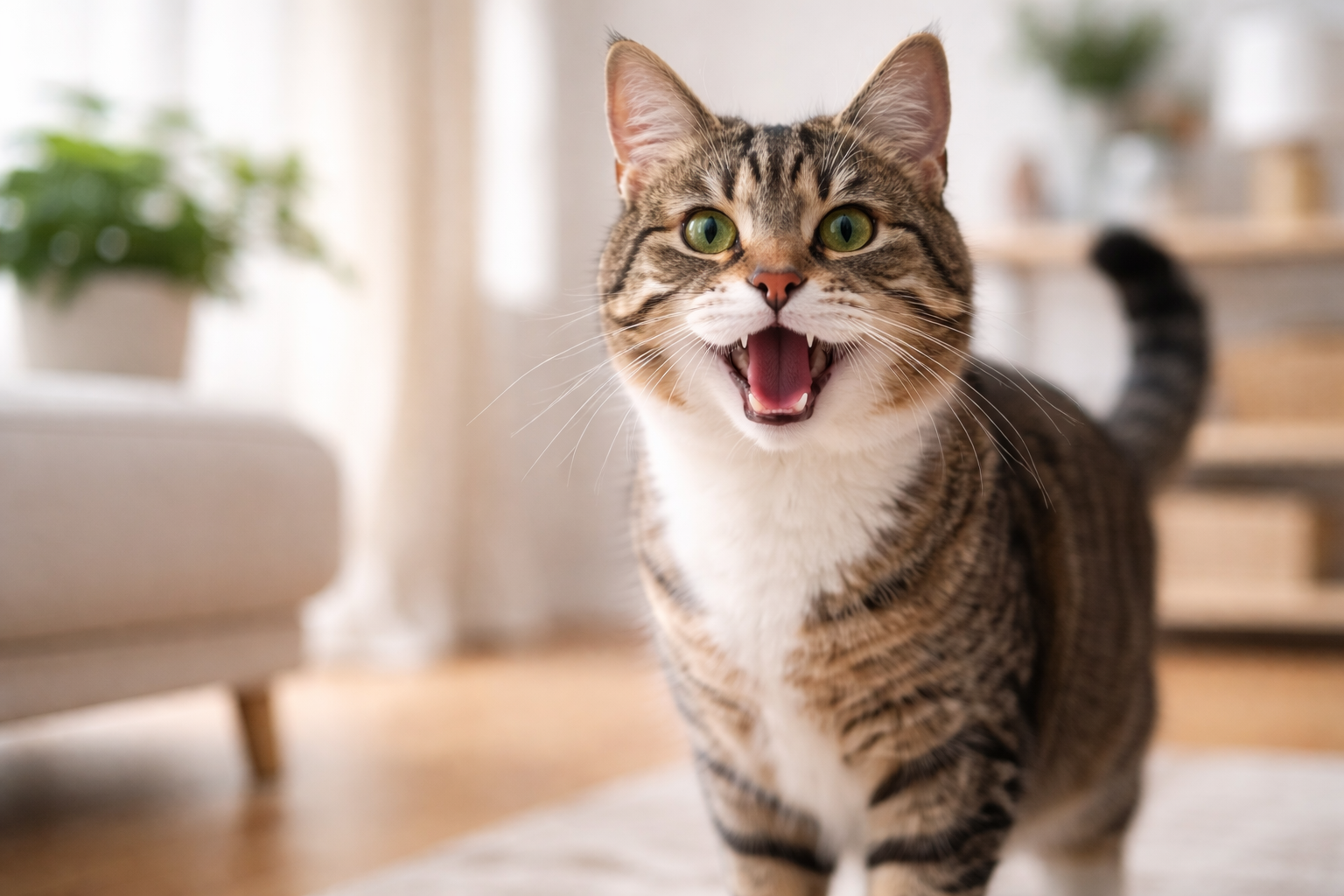
Introduction: What Is Cat Noise and Why Should You Care?
Cat noise is one of the most fascinating—and often misunderstood—aspects of feline behavior. From gentle purring and soft chirps to loud yowling and hissing, cats use a wide range of sounds to communicate their needs, emotions, and even health conditions. If you’ve ever wondered why your cat makes certain noises or what those sounds actually mean, you’re not alone.
As someone who has spent years studying cat behavior, observing real-life cat–human interactions, and learning from veterinary behavior research, I’ve seen how understanding cat noise can completely change the relationship between a cat and its owner. Recognizing these sounds isn’t just interesting—it’s essential for your cat’s wellbeing.
In this in-depth guide, we’ll explore cat noise in all its forms, what each sound means, when it’s normal, when it’s a warning sign, and how you can respond in a way that strengthens trust and care.
What Is Cat Noise? A Clear Explanation
Cat noise refers to any vocal sound a cat makes to communicate. Unlike dogs, cats rarely meow to each other. Most cat noise is specifically directed at humans, which means your cat has learned how to “talk” to you.
Common types of cat noise include:
- Meowing
- Purring
- Hissing
- Growling
- Yowling
- Chirping and chattering
Each sound serves a purpose, and context is everything.
Why Do Cats Make Noise?
Cats make noise for several key reasons:
- Communication with humans
- Expressing emotions (happiness, fear, frustration)
- Requesting something (food, attention, access)
- Responding to pain or discomfort
- Territorial warnings
Understanding cat noise helps you respond correctly instead of guessing—or ignoring important signals.
The Most Common Types of Cat Noise and What They Mean
1. Meowing: The Most Familiar Cat Noise
Meowing is the most common cat noise humans hear. Interestingly, adult cats rarely meow at other cats.
What it usually means:
- “I’m hungry.”
- “Pay attention to me.”
- “Let me in/o.ut”
- “Something has changed.”
💡 Real-life experience: I once worked with a cat that only meowed when the owner was on the phone. The cat learned that noise = attention.
Tip: Pay attention to tone, length, and frequency. A short meow differs from a long, demanding one.
2. Purring: More Than Just Happiness
Purring is often associated with contentment, but it’s not always a happy sound.
Purring can mean:
- Relaxation and comfort
- Self-soothing during stress
- Pain or illness
Cats may purr at the vet or when injured because purring releases endorphins.
👉 If purring is paired with lethargy or hiding, it may signal a problem.
3. Hissing: A Clear Warning
Hissing is a defensive cat noise meant to create distance.
Common triggers:
- Fear
- Sudden movements
- Pain
- Unfamiliar animals or people
What to do:
Never punish a hissing cat. Give space and identify the source of stress.
4. Growling: Escalated Discomfort
Growling often follows hissing and signals that the cat feels threatened.
This cat noise usually means:
- “Back off. now”
- Territorial defense
- Extreme stress
⚠️ Ignoring growling can lead to scratching or biting.
5. Yowling: Loud, Long, and Emotional
Yowling is a prolonged, intense cat noise.
Common causes include:
- Mating behavior (especially in unspayed cats)
- Cognitive decline in senior cats
- Pain or confusion
- Anxiety or loneliness
If yowling appears suddenly, a vet check is recommended.
6. Chirping and Chattering: The “Hunting” Sound
This unique cat noise is often heard when a cat sees birds or insects.
Experts believe it may be:
- A hunting instinct response
- Frustration from being unable to reach prey
- Excitement
It’s completely normal and usually harmless.
Cat Noise and Age: Does It Change Over Time?
Yes— noise often changes as cats age.
- Kittens: High-pitched mews to seek comfort
- Adult cats: Purposeful communication
- Senior cats: Increased vocalization due to confusion or hearing loss
Older cats may vocalize more at night, a condition sometimes linked to feline cognitive dysfunction.
Is Excessive Cat Noise Normal?
Occasional vocalization is normal, but excessive noise can signal underlying issues.
Possible reasons include:
- Hunger or thirst
- Boredom
- Anxiety
- Medical problems (thyroid issues, pain)
If your cat suddenly becomes very vocal, don’t ignore it.
Medical Causes of Unusual Cat Noise
Certain health conditions are known to affect vocal behavior:
- Hyperthyroidism
- Dental pain
- Arthritis
- Hearing loss
- Neurological issues
According to veterinary research shared by the Cornell Feline Health Center (external authority source), changes in vocalization are often one of the first signs of illness.
External source: https://www.vet.cornell.edu/departments-centers-and-institutes/cornell-feline-health-center
How to Respond to Different Cat Noises (Practical Tips)
When Your Cat Meows Excessively
- Don’t reward constant meowing with food
- Establish a routine
- Provide mental stimulation
When Your Cat Hisses or Growls
- Stop interaction immediately
- Reduce environmental stress
- Reintroduce calmly later
When Your Cat Yowls at Night
- Rule out medical issues
- Provide daytime play
- Use night lights for senior cats
Common Challenges Cat Owners Face with Cats
Challenge 1: Not Knowing What the Sound Means
Solution: Observe body language alongside noise.
Challenge 2: Noise at Night
Solution: Increase playtime before bed and avoid feeding during night meows.
Challenge 3: Multi-Cat Household Conflicts
Solution: Separate resources (litter boxes, food bowls) to reduce stress-related cat noise.
Can You Train or Reduce Cat?
Yes—but gently.
Effective methods:
- Positive reinforcement
- Ignoring attention-seeking noise
- Rewarding calm behavior
- Consistent routines
Should I Ignore the Cat Screaming at Night?
It depends.
 Ignore if:
- The vet has ruled out medical issues
- Screaming is attention-seeking
Do NOT ignore if:
- Behavior is sudden
- The cat seems in pain
- The cat is elderly
Never yell at your cat. This increases anxiety and worsens vocal behavior.
Noise and Human–Cat Bonding
When you understand cat noise, you:
- Respond faster to needs
- Detect illness earlier
- Build trust
- Reduce behavioral problems
In my experience, owners who learn to “listen” to their cats often report calmer, happier pets.
Conclusion: Understanding Cat Noise Builds Better Care
Cat noise is not random. Every sound your cat makes carries meaning, emotion, or information. By learning to recognize these vocal cues, you can respond appropriately, prevent problems, and strengthen your bond.
If your cat’s noises change suddenly, increase dramatically, or seem linked to distress, take action—observe, adjust, or consult a professional.
👉 Keep learning, stay attentive, and don’t hesitate to seek expert guidance when needed. Your cat is talking—now you know how to listen.
