
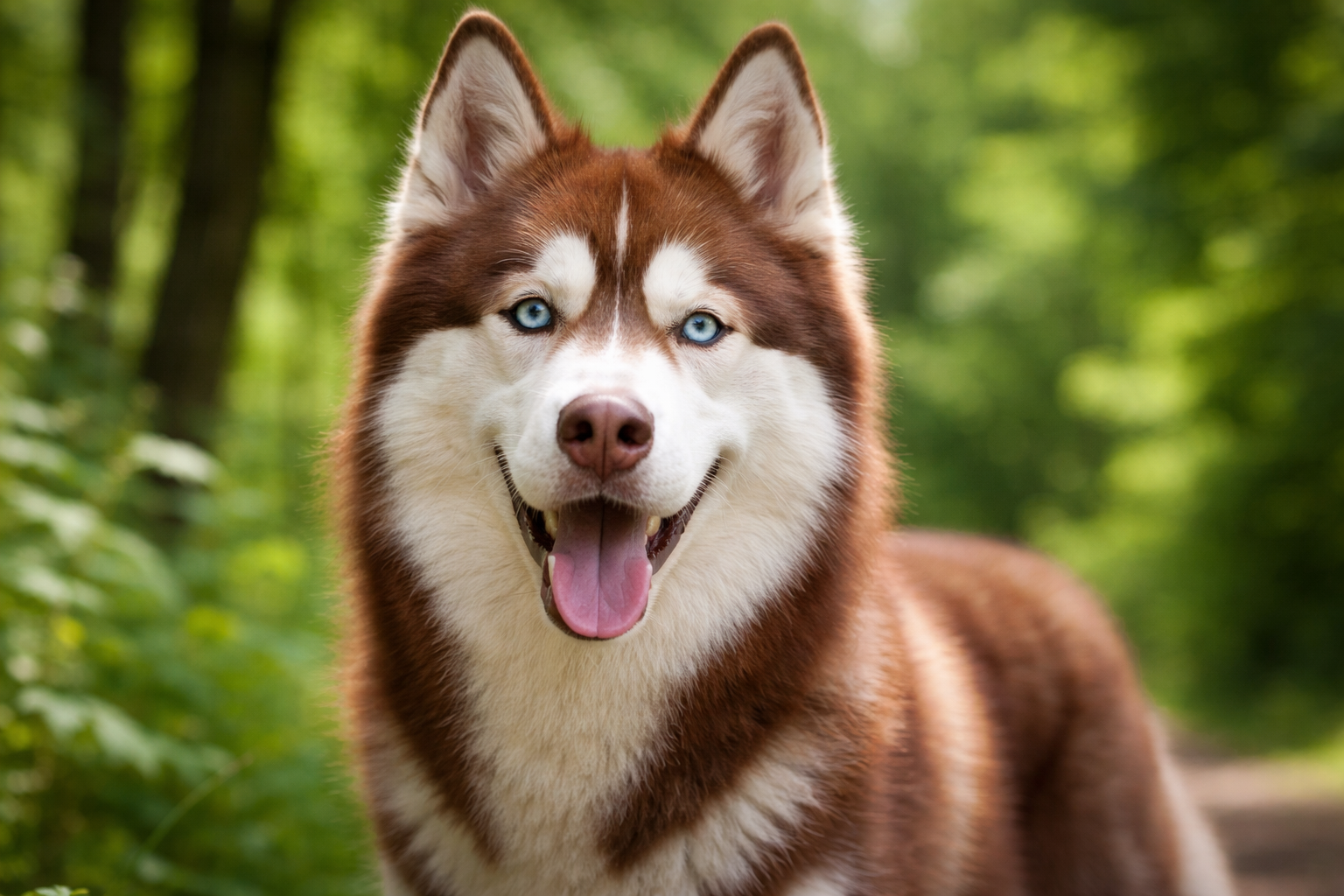
Introduction: What Is a Brown Husky and Why Does It Matter
A brown husky is a rare and striking color variation of the Siberian Husky that instantly catches attention due to its warm chocolate, copper, or reddish-brown coat. While many people are familiar with black-and-white or gray Huskies, brown Huskies remain less common and often misunderstood.
As someone who has researched dog breeds extensively, worked with Husky owners, and studied canine genetics and behavior, I’ve seen firsthand how coat color impacts adoption decisions, care expectations, and even misconceptions about health and temperament. This guide is written to help future owners, dog lovers, and breeders understand what makes the brown husky special, how to care for one properly, and whether this dog is right for their lifestyle.
In this in-depth article, you’ll learn everything you need to know about the brown husky, including genetics, personality, health, grooming, training challenges, and practical ownership tips.
What Is a Brown Husky?
A brown husky is not a separate breed but a color variation of the Siberian Husky. The brown coloration is usually referred to as:
- Chocolate Husky
- Copper Husky
- Red Husky (in some cases)
This coat color occurs due to a recessive gene that affects pigment distribution, replacing black pigment (eumelanin) with brown.
Key Facts About Brown Huskies
- Breed: Siberian Husky
- Coat color: Brown, copper, chocolate, or reddish tones
- Eye colors: Blue, brown, amber, green, or heterochromia
- Rarity: Less common than black or gray Huskies
- AKC recognition: Yes (as part of standard Husky colors)
Brown Husky Genetics Explained Simply
The brown husky’s coat color comes from a recessive dilution of black pigment. Both parents must carry the brown gene for a puppy to display this color.
Important Genetic Facts
- Brown Huskies are purebred, not mixed
- Coat color does not affect temperament or intelligence
- Eye color combinations are more noticeable on brown coats
- Nose leather is often brown or liver-colored
According to the American Kennel Club (AKC), coat color variations do not influence breed standards related to behavior or working ability.
Brown Husky Appearance and Physical Traits
Coat and Markings
Brown Huskies can range from:
- Light copper
- Deep chocolate
- Red-brown with cream or white markings
Their double coat includes:
- Dense undercoat (insulation)
- Straight outer coat (weather protection)
Eye Colors
One of the most admired features of a brown husky is its eyes:
- Ice blue
- Warm amber
- Deep brown
- One blue, one brown (heterochromia)
Size and Build
- Height: 20–23.5 inches
- Weight: 35–60 pounds
- Body: Athletic, lean, and powerful
Brown Husky Temperament and Personality
A brown husky shares the same personality traits as all Siberian Huskies.
Typical Traits
- Highly energetic
- Intelligent but stubborn
- Friendly and social
- Poor guard dog
- Strong prey drive
From real-life experience with Husky owners, one of the biggest surprises is how loving yet independent these dogs are. They bond deeply but don’t behave like traditional “obedient” breeds.
Are Brown Huskies Aggressive?
No. Brown Huskies are not aggressive by nature. However:
- Poor training
- Lack of exercise
- Isolation
can lead to destructive behavior.
Is a Brown Husky Good for Families?
Yes, If You Can Handle Their Energy
Brown Huskies are great for:
- Active families
- Experienced dog owners
- Homes with secure yards
They are generally good with children but:
- Supervision is important with small kids
- Early socialization is essential
They may not be ideal for:
- Elderly owners
- Small apartments
- First-time dog owners without time
Training Challenges with Brown Huskies (And Solutions)
Common Training Problems
- Ignoring commands
- Escaping fences
- Pulling on a leash
- Selective hearing 😄
Practical Training Tips (From Experience)
- Start training early (8–10 weeks)
- Use positive reinforcement only
- Keep sessions short and fun
- Never rely on off-leash recall
- Mental stimulation is as important as exercise
Exercise Needs of a Brown Husky
A brown husky needs at least 1.5–2 hours of daily exercise.
Best Activities
- Long walks
- Jogging or cycling
- Hiking
- Agility training
- Puzzle toys
Without enough exercise, Huskies become:
- Destructive
- Vocal
- Anxious
Grooming and Shedding: What to Expect
Shedding Level
High. Brown Huskies blow their coat twice a year.
Grooming Tips
- Brush 2–3 times weekly
- Daily brushing during the shedding season
- Bathe only when necessary
- Never shave a Husky
Shaving can damage their natural temperature regulation.
Health Concerns in Brown Huskies
Brown Huskies are generally healthy, but they may be prone to:
- Hip dysplasia
- Progressive retinal atrophy (PRA)
- Cataracts
- Zinc deficiency
Life Expectancy
- 12–14 years
Health Tip from Experience
Always choose breeders who:
- Provide health clearances
- Test eyes and hips
- Avoid color-only breeding
🔗 Health info source:
https://www.vet.cornell.edu/departments-centers-and-institutes/cornell-university-hospital-animals/companion-animal-hospital
Diet and Nutrition for a Brown Husky
What to Feed
- High-protein dog food
- Real meat as the first ingredient
- Omega-3 for coat health
Foods to Avoid
- Excess grains
- Artificial colors
- Table scraps
Huskies are known for having efficient metabolism, so they often eat less than expected.
How Rare Is a Brown Husky?
Brown Huskies are less common but not extremely rare. Many breeders focus on traditional colors, which makes brown Huskies more noticeable and sometimes more expensive.
Important Reminder
Paying extra only for color is not recommended. Health and temperament should always come first.
Brown Husky vs Other Husky Colors
| Feature | Brown Husky | Black/White Husky |
|---|---|---|
| Rarity | Less common | Very common |
| Temperament | Same | Same |
| Health | Same | Same |
| Maintenance | Same | Same |
Color does not change behavior or care needs.
Common Myths About Brown Huskies
❌ Brown Huskies are mixed breeds
❌ Brown Huskies are more aggressive
❌ Brown Huskies need special diets
✅ Truth: They are purebred Siberian Huskies with normal needs.
Should You Get a Brown Husky?
Ask yourself:
- Can I exercise daily?
- Do I have time for training?
- Am I okay with shedding?
- Do I enjoy active dogs?
If yes, a brown husky can be an amazing companion.
Conclusion: Is the Brown Husky Worth It?
The brown husky is a stunning, intelligent, and energetic dog that offers beauty and companionship in equal measure. While its rare coat color attracts attention, it’s the breed’s personality, loyalty, and spirit that truly define it.
If you’re ready to commit time, patience, and energy, a brown husky can become a lifelong friend. Continue learning, connect with reputable breeders or rescues, and always prioritize responsible ownership.
If you’d like help choosing a Husky, understanding training plans, or finding reliable breeders, feel free to explore more guides or reach out for expert advice.
