
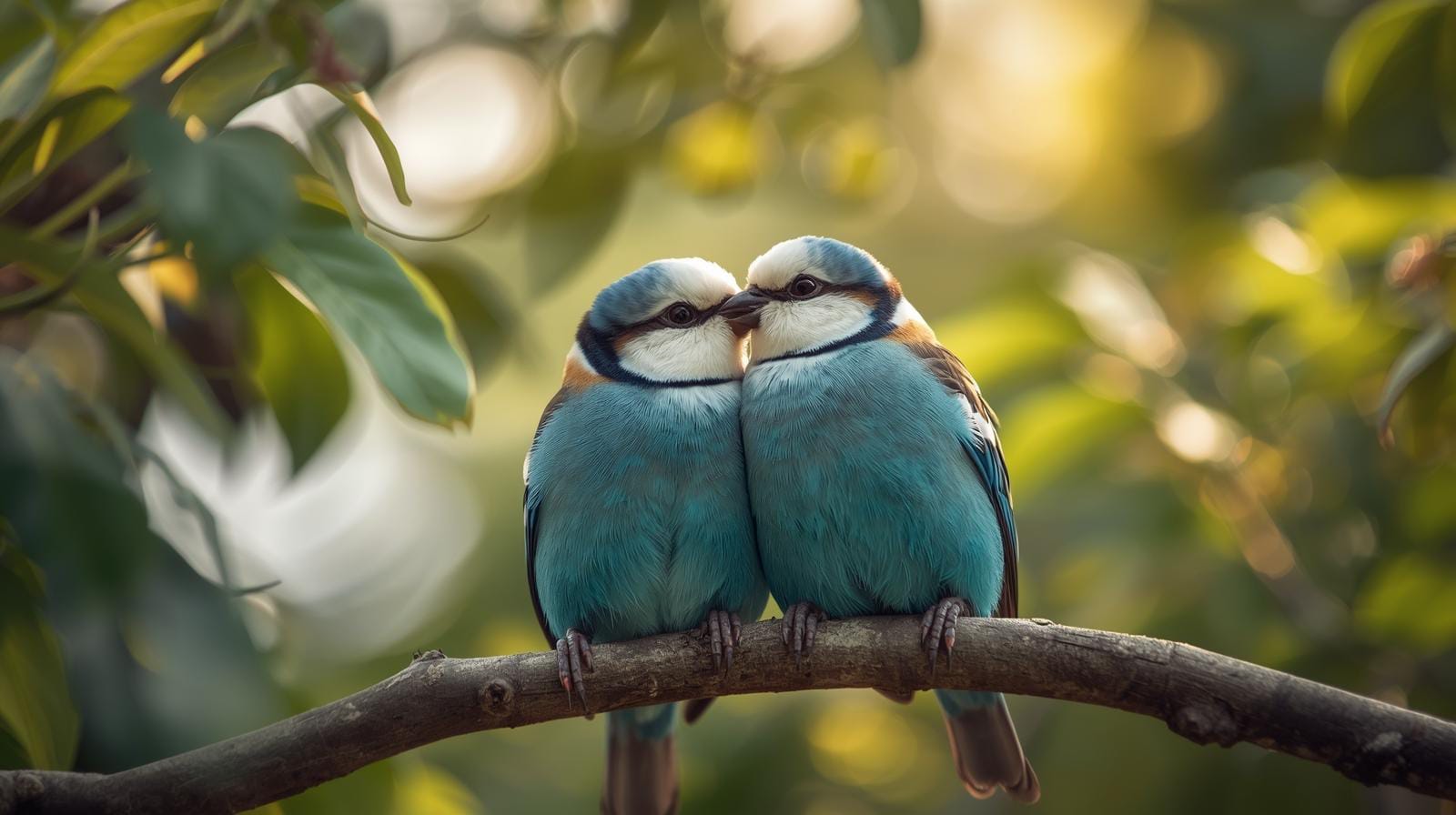
Introduction: What Are Blue Love Birds and Why They’re So Special
Blue Love Birds are small, colorful parrots known for their affectionate nature, strong pair bonds, and stunning blue plumage. They belong to the genus Agapornis, a Greek term meaning “love bird,” reflecting their lifelong devotion to their partners.
These charming birds have become one of the most popular pet parrots worldwide due to their intelligence, playful personality, and relatively easy care needs. Whether you’re an experienced bird enthusiast or a beginner exploring exotic pets, understanding the behavior and care requirements of Blue Love Birds can help you build a strong and loving bond with them.
As someone who has raised and studied various species of lovebirds, I’ve learned that the key to keeping them happy lies in proper environment setup, consistent interaction, and a nutritious diet. Let’s explore everything you need to know to give your Blue Love Birds the best life possible.
Understanding Blue Love Birds
1. Origin and History
Lovebirds are native to Africa and Madagascar, with nine recognized species. The blue mutation is not a separate species but a color variation found in common types like the Peach-faced Lovebird (Agapornis roseicollis) and the Fischer’s Lovebird (Agapornis fischeri).
These mutations occur naturally or through selective breeding, giving them their vibrant blue, turquoise, or cobalt feathers that make them a favorite among bird lovers.
2. Physical Appearance
Blue Love Birds are compact, measuring around 5 to 6 inches (13–15 cm) in length.
Key features include:
- Soft blue feathers on the body
- Lighter shades of sky-blue or white on the chest and tail
- A white or pale face depending on mutation
- Dark eyes and a light-colored beak
Males and females look almost identical, making gender identification challenging without DNA testing.
3. Lifespan and Temperament
When cared for properly, Blue Love Birds can live up to 10–15 years in captivity. They are:
- Energetic and playful
- Social and affectionate (especially with bonded partners)
- Intelligent and capable of learning simple tricks
However, without proper attention, they can become territorial or moody — a sign they need more stimulation or companionship.
Types of Blue Love Birds
Here are some of the most common varieties of Blue Love Birds:
1. Blue Peach-Faced Love Bird
The most popular type — they have bright blue feathers and a peach or white face. Known for their friendly and curious nature.
2. Blue Fischer’s Love Bird
These have a white face with a more vibrant cobalt-blue body. They are smaller and highly social, ideal for homes with multiple birds.
3. Blue Masked Love Bird
Distinguished by a dark “mask” over their face, contrasted with brilliant blue plumage. They are bold and active, making them fun companions.
4. Blue Lutino Love Bird (Rare Hybrid)
A combination of blue and lutino genes creates a pastel blue bird with soft yellow hues — one of the rarest lovebird colors.
Caring for Blue Love Birds
Proper care is vital to ensure your birds stay healthy, active, and happy. Here’s what every owner should know:
1. Housing and Environment
Blue Love Birds are active and need space to fly, climb, and play.
Cage Requirements:
- Minimum size: 24x18x24 inches for a pair
- Horizontal bars for climbing
- Multiple perches of varying sizes
- Safe chew toys (they love to gnaw)
- A nesting box (especially for bonded pairs)
Placement:
Keep the cage in a bright, well-ventilated room but away from direct sunlight or drafts. Lovebirds are sensitive to temperature changes.
Tip: Let them out of the cage daily in a safe, enclosed area for exercise.
2. Diet and Nutrition
A balanced diet is crucial for vibrant feathers and strong immunity.
Best diet includes:
- Pellets (60%) — formulated lovebird pellets
- Fresh fruits and vegetables (20%) — apple, spinach, carrot, bell pepper
- Seeds and grains (10–15%) — millet, sunflower seeds (in moderation)
- Protein sources (occasionally) — boiled egg, legumes
Avoid chocolate, avocado, caffeine, and salty foods — they are toxic to birds.
Fresh water should always be available and changed daily.
3. Social Interaction
Blue Love Birds are incredibly social. In the wild, they live in flocks and mate for life. If kept alone, they need daily human interaction to prevent loneliness.
Tips:
- Talk to them regularly.
- Offer hand-feeding treats to build trust.
- Play soft music — many lovebirds enjoy melodic sounds.
If you can’t spend much time daily, consider keeping them in pairs to ensure companionship.
4. Hygiene and Grooming
Cleanliness is vital for your bird’s health:
- Clean food and water dishes daily.
- Wash the cage weekly.
- Provide a bird bath bowl or mist them gently with water — they love to bathe!
- Trim nails as needed, or place rough perches to help naturally file them down.
Training and Taming Blue Love Birds
Taming your Blue Love Bird helps strengthen your relationship and make handling easier.
1. Start Slow
Sit near the cage and talk softly for several days. Let the bird get used to your presence.
2. Offer Treats
Hold millet or seeds in your hand to encourage trust. Gradually allow them to perch on your fingers.
3. Step-Up Command
Once comfortable, teach the “step up” command using your finger or a stick. Reward them with treats every time they obey.
4. Avoid Yelling or Force
Never shout or chase the bird. Patience is key — it can take weeks or months for a bird to fully trust you.
Health and Common Problems
Blue Love Birds are generally hardy, but they can develop health issues if not properly cared for.
Common Health Problems:
| Condition | Symptoms | Prevention |
|---|---|---|
| Psittacosis (Parrot Fever) | Sneezing, discharge, lethargy | Maintain hygiene and visit the vet for regular checkups |
| Feather Plucking | Missing feathers, bald patches | Ensure mental stimulation and companionship |
| Vitamin A Deficiency | Dull feathers, poor appetite | Include fresh veggies like carrots and spinach |
| Egg Binding (in females) | Straining, sitting at cage bottom | Provide calcium supplements and nesting space |
Signs of a healthy Blue Love Bird:
- Bright eyes
- Clean feathers
- Active behavior
- Normal droppings
If you notice changes in appetite or droppings, consult an avian vet immediately.
Breeding Blue Love Birds
Breeding lovebirds can be rewarding but requires preparation.
1. Breeding Age
Blue Love Birds reach maturity at around 10–12 months. Avoid breeding younger birds as it can stress them.
2. Nesting Setup
Provide a wooden nest box (8x8x8 inches) with shredded paper or coconut fiber. The female will prepare the nest and lay 3–6 eggs.
3. Incubation and Care
Eggs hatch after about 21–24 days. Both parents help feed chicks, which fledge in 6–8 weeks. Keep them in a quiet area during this period.
Tip: Avoid overbreeding — give the pair rest between clutches.
Behavior and Communication
Blue Love Birds are expressive and use sounds, body language, and actions to communicate.
Common Behaviors:
- Chirping or singing: Happiness and excitement.
- Head bobbing: Asking for attention or food.
- Nipping: Can mean affection or irritation (depending on context).
- Preening each other: Sign of bonding.
- Fluffing feathers: Comfort or preparing for sleep.
They can be loud at times, especially during mornings and evenings — this is normal social communication.
Common Challenges and Solutions
| Challenge | Cause | Solution |
|---|---|---|
| Aggression | Lack of socialization | Gentle taming and consistent interaction |
| Loneliness | Kept single and ignored | Spend more time or introduce a companion |
| Feather plucking | Boredom or stress | Provide toys, mirrors, and mental stimulation |
| Messy cages | Small cage or lack of routine cleaning | Use cage liners and maintain weekly cleaning |
Toys and Enrichment Ideas
Blue Love Birds are intelligent and need daily enrichment.
Recommended Toys:
- Colorful hanging toys
- Wooden chew blocks
- Rope ladders and swings
- Foraging puzzles
- Bells and mirrors (in moderation)
Rotate toys every few weeks to prevent boredom and encourage curiosity.
Cost of Owning Blue Love Birds
| Item | Estimated Cost (USD) |
|---|---|
| Bird Price | $50–$150 per bird |
| Cage & Setup | $100–$200 |
| Monthly Food | $15–$25 |
| Toys & Accessories | $10–$20 |
| Vet Visits | $50–$100/year |
They are relatively affordable compared to larger parrots but still require consistent attention and care.
Fun Facts About Blue Love Birds
- They can recognize their owners’ voice.
- Lovebirds often feed each other as a sign of affection.
- The blue mutation is one of the most visually striking among all lovebird colors.
- They love tearing paper — it’s part of their nesting instinct.
- Some owners report that lovebirds respond to music and dance!
Conclusion: A Loving Bond That Lasts a Lifetime
Owning Blue Love Birds is a beautiful experience that brings joy, color, and companionship into your life. These small parrots may be tiny in size, but their personalities are huge — full of affection, curiosity, and intelligence.
To keep your Blue Love Birds happy:
- Provide a spacious cage and nutritious diet.
- Spend quality time daily.
- Keep their environment clean and stimulating.
With love and patience, you’ll be rewarded with years of loyal companionship and endless entertainment.
If you’re thinking of adopting Blue Love Birds, ensure you buy from a reputable breeder or rescue. Always prioritize their health and well-being over color mutations or price.
Helpful Resources
- The Spruce Pets – Lovebird Care Guide
- PetMD – Bird Health & Nutrition
- American Federation of Aviculture (AFA)
- World Parrot Trust
