
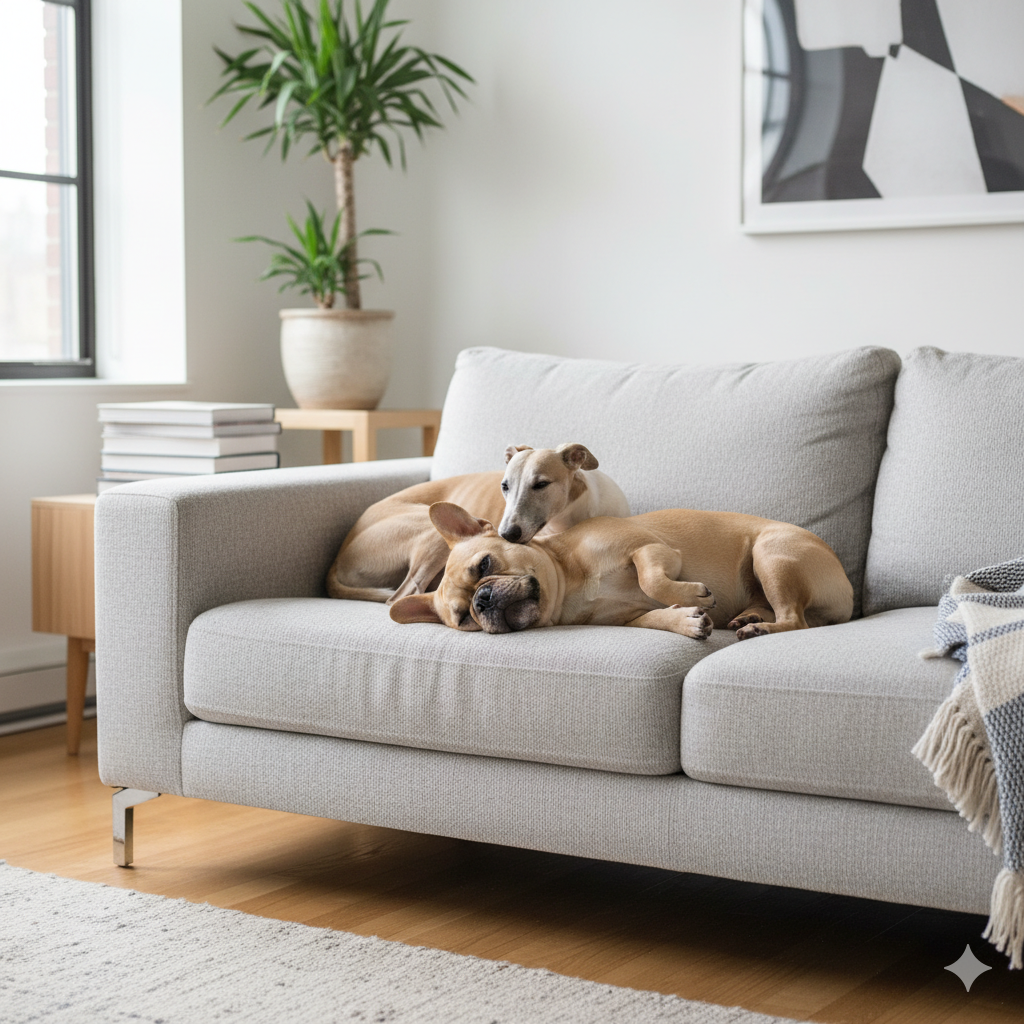
Life today is fast. Between work, family responsibilities, social commitments, and personal goals, many people feel they simply don’t have time for a high-energy, high-maintenance pet.
That’s why choosing low-maintenance dog breeds for busy owner lifestyles has become more important than ever.
As someone who has worked closely with first-time pet parents and busy professionals, I’ve seen how the right dog can bring comfort, companionship, and joy — without overwhelming your schedule. I’ve also seen what happens when someone picks the wrong breed: stress, behavioral issues, and guilt.
If you’re short on time but still want a loyal companion, this guide will help you choose wisely.
Table of Contents
ToggleWhat Does “Low-Maintenance” Really Mean?
When we talk about low-maintenance dog breeds for busy owner, we’re not saying “no maintenance.” Every dog needs:
-
Daily feeding
-
Basic grooming
-
Exercise
-
Vet care
-
Emotional attention
However, low-maintenance breeds typically have:
-
Moderate to low exercise needs
-
Minimal grooming requirements
-
Independent temperament
-
Lower risk of separation anxiety
-
Easier training tendencies
These dogs adapt well to apartment living, working professionals, and smaller homes.
Best Low-Maintenance Dog Breeds for Busy Owner
Here are some of the best breeds that consistently work well for busy lifestyles.
1. French Bulldog
French Bulldogs are one of the most popular urban dogs — and for good reason.
Why they’re low maintenance:
-
Short coat (minimal grooming)
-
Low exercise needs
-
Adapt well to apartments
-
Generally calm indoors
A short daily walk and some indoor playtime usually keep them happy. However, they can be prone to breathing issues, so avoid excessive heat or intense exercise.

2. Chihuahua
Tiny but confident, Chihuahuas are ideal for people with limited space and time.
Why they’re low maintenance:
-
Very little exercise required
-
Small food portions
-
Minimal grooming (especially short-haired type)
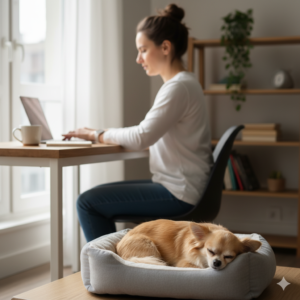
They bond strongly with one person and are happy cuddling while you work from home.
3. Dachshund
Dachshunds are playful but not overly demanding.
Why they’re low maintenance:
-
Moderate exercise
-
Adapt well to small homes
-
Short-coated varieties require minimal grooming
Be mindful of their long backs — avoid excessive jumping.
4. Greyhound
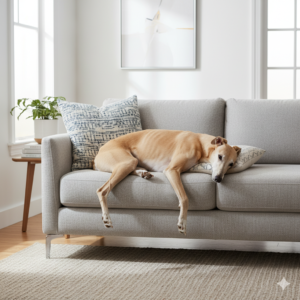
Surprisingly, Greyhounds are often called “40 mph couch potatoes.”
Why they’re low maintenance:
-
Calm indoors
-
Short coat
-
Happy with one good walk per day
Despite their speed, they enjoy lounging most of the day.
For breed standards and verified information, refer to the American Kennel Club breed database.
5. Shih Tzu
While they need grooming, their energy levels are manageable.
Why they’re suitable for busy owners:
-
Indoor-friendly
-
Moderate activity level
-
Affectionate and adaptable
If you keep their coat trimmed shorter, grooming becomes easier.
6. Whippet
Similar to Greyhounds but smaller, Whippets are quiet and gentle.
Why they’re low maintenance:
-
Short coat
-
Low grooming needs
-
Calm indoors
-
Short bursts of exercise
They thrive in peaceful homes.
If you’re especially concerned about shedding and cleanup time, our detailed guide on dogs that barely shed and are easy to maintain provides deeper insights into breeds that keep your home cleaner and your routine simpler.
Common Questions About Low-Maintenance Dog Breeds for Busy Owner
1. Can I leave a low-maintenance dog alone all day?
No dog should be left alone for extended hours daily. However, some breeds tolerate 6–8 hours better than others. Consider:
-
Hiring a dog walker
-
Using puzzle toys
-
Dog daycare once or twice a week
2. Are small dogs always easier?
Not necessarily. Some small dogs are high-energy and vocal. Breed temperament matters more than size.
3. What about rescue dogs?
Mixed-breed adult dogs are often excellent choices. Shelters can help match you with a dog whose personality fits your lifestyle.
Key Factors to Consider Beyond Breed
Choosing low-maintenance dog breeds for busy owner situations involves more than breed name.
1. Energy Level
Match your energy, not your preference for appearance.
2. Grooming Commitment
Short coat ≠ no grooming. Nails, ears, and dental care still matter.
3. Temperament
Independent breeds may suit busy professionals better than highly clingy ones.
4. Health Issues
Some “easy” breeds have medical concerns that require vet visits. Always research responsibly.
For responsible breed guidance and ethical ownership standards, consult trusted organizations like the American Veterinary Medical Association.
Challenges Busy Owners Face (And Solutions)
Challenge 1: Guilt About Not Spending Enough Time
Solution: Quality over quantity. 30 focused minutes of engagement is better than hours of distraction.
Challenge 2: Behavioral Problems
Dogs bored at home may chew or bark.
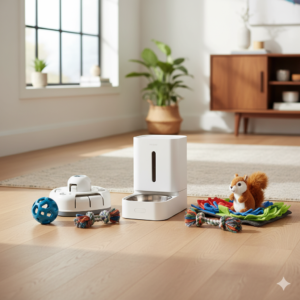
Solution: Enrichment toys, scent games, interactive feeders.
Challenge 3: Training Consistency
Busy schedules disrupt training.
Solution: 5-minute micro-training sessions twice daily.
Real-Life Example
I once worked with a corporate professional who adopted a high-energy working breed while working 10-hour days. Within weeks, the dog developed anxiety and destructive behavior.
After rehoming responsibly and later adopting a calm adult Whippet, the match worked beautifully. The key lesson? Lifestyle compatibility is everything.
Practical Tips for Managing a Dog with a Busy Schedule
-
Automate feeding with a timed feeder
-
Schedule vet reminders digitally
-
Invest in durable chew toys
-
Consider crate training properly
-
Choose adult dogs over puppies (less training intensity)
Who Should NOT Choose a Low-Maintenance Breed?
-
People wanting intense daily hiking companions
-
Those seeking advanced obedience competition dogs
-
Individuals wanting highly protective guard dogs
Creating a Low-Maintenance Routine That Actually Works
Even when you choose one of the best low-maintenance dog breeds for busy owner lifestyles, success depends on structure. A predictable routine reduces anxiety, prevents behavioral problems, and makes your life easier.
Here’s what a realistic low-maintenance daily schedule can look like:
Morning (15–30 Minutes)
-
Short walk (10–15 minutes)
-
Quick training reinforcement (sit, stay, recall)
-
Breakfast using a slow feeder or puzzle toy
This stimulates your dog mentally while you get ready for work.
Midday (If You’re Away 6+ Hours)
If your schedule keeps you out for most of the day:
-
Arrange a dog walker
-
Ask a trusted neighbor for a quick potty break
-
Use indoor pee pads (for small breeds only when necessary)
Low-maintenance breeds like Whippet or French Bulldog often handle alone time better than high-energy working breeds, but they still need interaction.
Evening (20–40 Minutes)
-
Calm walk or indoor play
-
Light grooming check (ears, paws)
-
Bonding time on the couch
Consistency matters more than duration.
Puppies vs. Adult Dogs: Which Is Better for Busy Owners?
If your schedule is tight, adopting an adult dog is usually smarter than getting a puppy.
Why puppies are high-maintenance:
-
Potty training every 2–3 hours
-
Teething phase (chewing destruction)
-
Intensive socialization needs
-
Higher energy levels
Adult dogs — especially those past 2–3 years — often already have established temperaments. Many rescue organizations temperament-test dogs to match them with suitable homes.
If you’re considering adoption, organizations like the American Society for the Prevention of Cruelty to Animals provide helpful adoption guidance and behavioral resources.
Apartment Living and Low-Maintenance Dogs
Many busy owners live in apartments. The good news? Some of the best low-maintenance dog breeds for busy owner lifestyles are perfectly suited to small spaces.
Ideal apartment-friendly traits include:
-
Quiet temperament
-
Low barking tendency
-
Moderate energy
-
Small to medium size
For example, Dachshund and Chihuahua adapt well to compact homes if exercised consistently.
Remember: apartment-friendly doesn’t mean zero exercise. Mental stimulation is just as important as physical movement.
Mental Stimulation: The Secret to a Calm Dog
Many behavioral issues arise not from lack of physical exercise — but lack of mental engagement.
Busy owners can use:
-
Snuffle mats
-
Treat-dispensing balls
-
Frozen Kong toys
-
5-minute obedience drills
Even short training sessions strengthen your bond. Dogs that feel mentally challenged are less likely to develop destructive behaviors.
This is especially important for intelligent breeds like Shih Tzu, who may become stubborn or vocal when bored.
Financial Maintenance: The Hidden Factor
Low-maintenance doesn’t always mean low cost.
Before committing, calculate:
-
Food expenses
-
Annual vaccinations
-
Preventative care (flea, tick, heartworm)
-
Emergency savings
Flat-faced breeds such as French Bulldog may require more frequent vet visits due to breathing concerns. Always factor potential medical needs into your decision.
Responsible pet ownership means planning for both time and finances.
Signs You Chose the Right Breed
You’ll know you’ve picked the right low-maintenance companion when:
-
Your dog settles calmly when you’re working
-
Walks feel enjoyable, not exhausting
-
Grooming feels manageable
-
You don’t feel constant guilt
A well-matched dog fits into your life naturally — not forcefully.
Conclusion: Choosing Smart Means Loving Better
Finding the right low-maintenance dog breeds for busy owner lifestyles doesn’t mean lowering your standards — it means making a smart, responsible choice.
The right dog will:
-
Fit your daily rhythm
-
Reduce stress
-
Increase companionship
-
Create harmony at home
If you’re unsure which breed suits your lifestyle, explore more breed guides on our website or consult a local veterinarian or ethical breeder.
The goal isn’t just owning a dog — it’s creating a happy, balanced partnership.
