
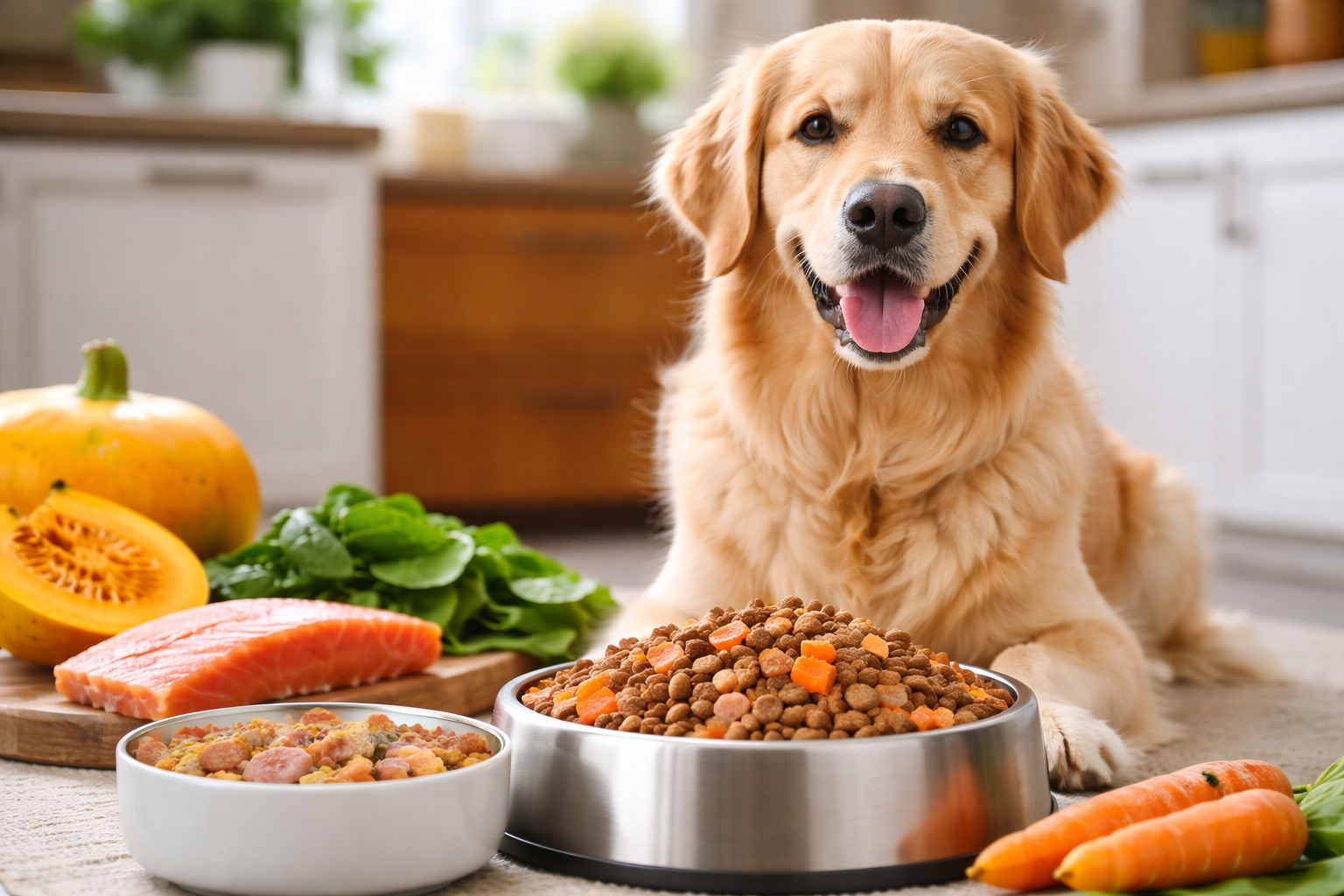
Introduction: What Is the Best Dog Food for Sensitive Stomach and Why It Matters
Finding the best dog food for sensitive stomach can feel overwhelming—especially when your dog struggles with vomiting, diarrhea, gas, itchy skin, or inconsistent stools. A sensitive stomach isn’t a diagnosis by itself; it’s a sign that your dog’s digestive system is reacting poorly to certain ingredients, feeding practices, or underlying health conditions.
As someone who has worked with dog owners, studied canine nutrition, reviewed veterinary guidelines, and helped transition dogs onto gentler diets, I’ve seen how the right food can dramatically improve a dog’s comfort, energy, and overall quality of life. Choosing the best dog food for sensitive stomach isn’t about trends—it’s about digestibility, ingredient quality, and consistency.
This guide explains what causes sensitive stomachs in dogs, how to choose the right food, what ingredients to look for (and avoid), and practical feeding tips that actually work.
What Does “Sensitive Stomach” Mean in Dogs?
Dogs with sensitive stomachs have digestive systems that react to certain foods or feeding patterns. This can show up as:
- Loose stools or diarrhea
- Vomiting or regurgitation
- Excessive gas or bloating
- Poor appetite
- Abdominal discomfort
- Frequent grass eating
A sensitive stomach can be temporary (diet change, stress) or chronic (food intolerance, allergies, GI disorders).You should always feed your dogs food.
Important: Always rule out medical causes with a veterinarian before changing diets.
Credible source:
VCA Animal Hospitals – Gastrointestinal Disorders in Dogs
https://vcahospitals.com/know-your-pet/gastrointestinal-disorders-in-dogs
Common Causes of Sensitive Stomach in Dogs
Understanding the cause helps you choose the best dog food for sensitive stomach.
1. Food Intolerances
Dogs may struggle to digest certain proteins (e.g., beef, chicken) or carbohydrates (e.g., corn, wheat).
2. Food Allergies
True allergies are immune responses—often to proteins—causing GI issues and skin symptoms.
3. Sudden Diet Changes
Switching foods too quickly disrupts gut bacteria.
4. Low-Quality Ingredients
Fillers, artificial additives, and by-products are harder to digest.
5. Stress & Anxiety
Boarding, moving, or routine changes can trigger GI upset.
How to Choose the Best Dog Food for Sensitive Stomach
The best dog food for sensitive stomach focuses on simplicity, digestibility, and balance.
Key Criteria to Look For
- Limited ingredients
- Single, high-quality protein
- Easily digestible carbohydrates
- Added prebiotics/probiotics
- No artificial colors or preservatives
Best Proteins for Dogs with Sensitive Stomachs
Protein is the most common trigger, so quality and type matter.
Gentle Protein Options
- Lamb – mild, widely tolerated
- Turkey – lean and digestible
- Salmon – anti-inflammatory omega-3s
- Duck – novel protein for allergy-prone dogs
- Hydrolyzed protein – broken down to reduce reactions
💡 Experience tip: Dogs with chronic GI issues often improve when switched to a novel protein they’ve never eaten before.
Best Carbohydrates for Sensitive Digestion
Carbs should provide energy without irritating the gut.
Easy-to-Digest Carbs
- Rice (white or brown)
- Oatmeal
- Sweet potatoes
- Pumpkin
- Barley
Avoid foods heavy in corn, soy, or wheat if your dog is sensitive.
Importance of Fiber, Prebiotics & Probiotics
A healthy gut microbiome is essential for digestion.
Why They Matter
- Prebiotics feed good bacteria
- Probiotics replenish gut flora
- Soluble fiber helps regulate stool
Common sources:
- Chicory root
- Pumpkin
- Beet pulp
- Inulin
Dry vs Wet Food: Which Is Better for Sensitive Stomachs?
Dry Dog Food (Kibble)
✔ Convenient
✔ Cost-effective
✔ Helps dental health
⚠ Some kibbles are heavily processed
Wet Dog Food
✔ Easier to digest
✔ Higher moisture (good for hydration)
✔ More palatable
⚠ Spoils faster, costs more
💡 Practical advice: Many dogs do best on a mix of wet and dry or by soaking kibble in warm water.
Prescription vs Over-the-Counter Sensitive Stomach Foods
Prescription Diets
Recommended for dogs with:
- Chronic diarrhea
- IBD
- Food allergies
Often include hydrolyzed proteins or ultra-limited formulas.
Over-the-Counter Options
Great for mild sensitivities when carefully selected.
Ingredients to Avoid in Dog Food for Sensitive Stomach
- Artificial colors & flavors
- Chemical preservatives (BHA, BHT)
- Meat by-products (unnamed)
- Excessive fat
- Dairy
- Spicy or highly seasoned ingredients
Feeding Tips That Reduce Stomach Sensitivity
Even the best dog food for sensitive stomach won’t help without proper feeding habits.
Proven Feeding Practices
✔ Transition food over 7–10 days
✔ Feed smaller, more frequent meals
✔ Keep feeding times consistent
✔ Avoid table scraps
✔ Provide fresh water at all times
📌 Real-life example: Many owners see immediate improvement just by slowing down the transition and stopping treats temporarily.
Homemade Dog Food for Sensitive Stomach: Is It Safe?
Homemade diets can work—but only when properly balanced.
Pros
✔ Full ingredient control
✔ Fresh, simple foods
Cons
✖ Risk of nutritional imbalance
✖ Time-consuming
✖ Requires vet guidance
Signs the New Food Is Working
- Firm, regular stools
- Reduced gas
- Better appetite
- Improved coat
- More energy
⚠ Temporary mild gas during transition is normal—but persistent diarrhea is not.
When to See a Veterinarian
Consult a vet if:
- Symptoms last more than 3–5 days
- Blood appears in the stool
- Weight loss occurs
- Vomiting is frequent
- The dog becomes lethargic
Diet changes should never replace medical evaluation.
Frequently Asked Questions
How long does it take for sensitive stomach food to work?
Usually, 2–4 weeks for full improvement.
Can puppies have sensitive stomach dog food?
Yes—choose puppy-specific formulas.
Are grain-free foods better?
Not always. Many dogs digest grains like rice very well.
Challenges Dog Owners Face (and Solutions)
Challenge: Dog refuses new food
Solution: Gradual mixing, warm water, patience
Challenge: Symptoms improve, then return
Solution: Recheck treats, chews, supplements
Challenge: Too many options
Solution: Start with simple, limited-ingredient formulas
Conclusion: Choosing the Best Dog Food for Sensitive Stomach
Choosing the best dog food for sensitive stomach can transform your dog’s comfort, digestion, and overall happiness. The right diet focuses on simple ingredients, high digestibility, and consistent feeding habits—not marketing buzzwords.
By understanding your dog’s triggers, transitioning slowly, and selecting quality nutrition, you can reduce digestive upset and help your dog thrive.
👉 Want help choosing the right food for your dog’s specific symptoms?
👉 Explore more canine nutrition guides or reach out for personalized advice.
