
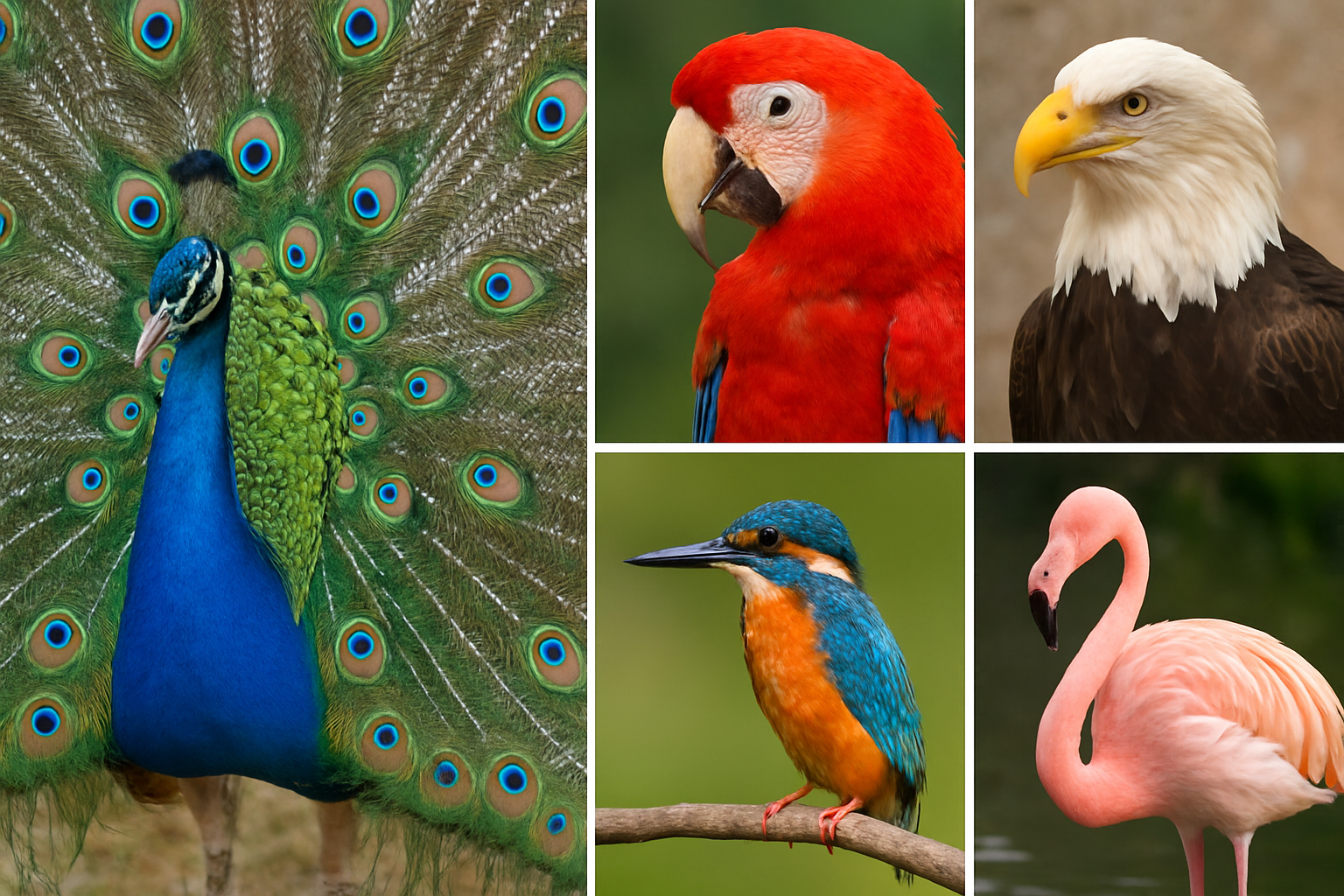
Introduction: Why “Best Birds” Matter
When people search for the best birds, they often imagine colorful feathers, melodic songs, and incredible flying skills. Birds are more than just pretty creatures—they are vital to ecosystems, helping with pollination, pest control, and seed dispersal. As someone who has spent years observing and writing about birds, visiting sanctuaries, and documenting avian behavior, I’ve gathered experience that allows me to share a detailed, factual, and inspiring guide to the world’s best birds.
This article explores what makes certain birds stand out—from intelligence and beauty to singing and companionship. Whether you’re a bird lover, wildlife photographer, or someone considering a pet bird, understanding the best birds will deepen your appreciation for these extraordinary creatures.
1. What Defines the “Best Birds”?
The term “best birds” can mean different things to different people. Some love birds for their colorful plumage, others for their intelligence or singing ability. In wildlife studies, the “best” species often means those that are highly adapted, ecologically important, or display remarkable behavior.
Here are the main categories of what people usually consider when naming a bird the “best”:
- Beauty: Vivid colors, graceful flight, and elegance (e.g., peacock, macaw).
- Song: Musical voices and complex calls (e.g., nightingale, canary).
- Intelligence: Problem-solving and mimicry (e.g., raven, African grey parrot).
- Flight Ability: Strength, speed, and endurance (e.g., peregrine falcon, albatross).
- Domestication: Birds suitable as pets (e.g., cockatiel, lovebird, budgerigar).
Let’s explore these categories one by one.
2. Most Beautiful Birds in the World
1. Peacock (Pavo cristatus)
The Indian Peacock tops every list of the world’s best birds for its breathtaking plumage. Its iridescent feathers and “eye” patterns on the tail make it a symbol of beauty and pride in many cultures.
- Habitat: India and Sri Lanka
- Diet: Seeds, insects, small reptiles
- Interesting fact: Males fan their tail feathers to attract females in a dazzling courtship display.
2. Scarlet Macaw
This large, red, yellow, and blue parrot from Central and South America is a favorite among bird enthusiasts.
- Lifespan: Up to 75 years
- Habitat: Tropical rainforests
- Why it’s one of the best: Highly social, intelligent, and loyal when raised properly.
3. Mandarin Duck
Called “the world’s most beautiful duck,” it’s admired for its stunning orange sails and metallic sheen.
- Habitat: East Asia
- Interesting fact: Symbol of love and fidelity in Chinese culture.
4. Flamingo
Known for its bright pink color and elegant stance, the flamingo is both a visual and ecological wonder.
- Habitat: Lakes, lagoons, and salt flats
- Diet: Algae and crustaceans (which give it the pink hue)
For visual reference, you can check the Audubon Society’s Bird Gallery for photos and facts.
3. Smartest and Most Intelligent Birds
Bird intelligence surprises even scientists. From using tools to mimicking human speech, these are some of the smartest species known.
1. African Grey Parrot
Often called the “Einstein of birds,” African greys can learn hundreds of words, understand meaning, and even form simple sentences.
- Habitat: Central and West Africa
- Famous for: Problem-solving and mimicry
- Real-life example: A grey parrot named Alex could count, identify colors, and understand concepts like “same” and “different.”
2. Ravens
Ravens are not only intelligent but also playful. They can solve puzzles, imitate sounds, and even plan future actions.
- Interesting fact: Ravens have been seen using sticks as tools and playing “games” with wolves by pulling their tails!
3. Kea Parrot
Found in New Zealand, this curious parrot is known for its mischievous and problem-solving nature. They have been observed solving multi-step puzzles to get food rewards.
4. Crows
Crows recognize faces, use traffic lights to crack nuts, and even hold “funerals” for dead companions—showing emotional intelligence rare in animals.
4. Best Singing Birds in the World
Some birds are loved for their melodies and songs, making them nature’s musicians.
1. Nightingale
This small, brown bird’s song is powerful and complex, often performed at night.
- Habitat: Europe and Asia
- Fun fact: A single nightingale may have over 200 different song types.
2. Canary
A favorite pet bird known for its melodious singing and bright yellow feathers.
- Native to: Canary Islands
- Why it’s the best: Easy to care for, cheerful song, and colorful personality.
3. Lyrebird
Native to Australia, the lyrebird is a master mimic—it can reproduce almost any sound, from other birds to camera shutters and chainsaws!
4. Mockingbird
Named for its ability to mimic other birds’ calls, it’s the official state bird of several U.S. states.
If you’re interested in hearing bird songs, visit Cornell Lab of Ornithology’s Macaulay Library for recordings.
5. Best Birds for Pets
Keeping birds as pets is rewarding but requires care, attention, and the right choice of species. Here are the best birds for beginners and experienced owners:
1. Budgerigar (Budgie)
Small, colorful, and social, budgies are ideal for first-time bird owners.
- Lifespan: 7–10 years
- Traits: Easy to train, talkative, and friendly
2. Cockatiel
Known for its cute crest and whistling ability, the cockatiel is gentle and affectionate.
- Lifespan: Up to 20 years
- Best for: Families and apartment dwellers
3. Lovebirds
As the name suggests, lovebirds form deep bonds with their owners or mates.
- Care tip: Keep them in pairs to prevent loneliness.
4. Conure
Colorful, playful, and energetic, conures love social interaction and attention.
When choosing the best bird as a pet, consider:
- Your lifestyle and available space
- Daily time commitment
- Noise level and cleaning needs
- Legal and ethical breeding sources
6. Best Flying Birds: Masters of the Sky
Some birds dominate the skies with unmatched strength and grace.
1. Peregrine Falcon
The fastest bird in the world, capable of diving at over 240 mph (386 km/h).
- Habitat: Found on every continent except Antarctica
- Fun fact: Used in falconry for centuries due to its incredible hunting speed.
2. Albatross
Known for its enormous wingspan—up to 11 feet—the albatross can glide for hours without flapping its wings.
- Habitat: Southern Ocean and North Pacific
- Interesting behavior: Uses wind currents to fly thousands of miles while barely expending energy.
3. Eagle
Symbol of power and vision, eagles are among the strongest and most majestic birds of prey.
- Species highlight: The Bald Eagle, national bird of the U.S., represents freedom and resilience.
4. Swallow
Swallows are fast and agile, covering huge distances during migration.
- Why they’re among the best: Their endurance and precise flight patterns help control insect populations worldwide.
7. Rarest and Most Unique Birds
Some of the best birds are rare or endangered—making them even more fascinating.
1. Kakapo
A flightless, nocturnal parrot from New Zealand, the kakapo is one of the rarest birds, with fewer than 250 individuals remaining.
- Unique traits: Heavy, owl-like face, pleasant scent, and inability to fly.
- Conservation efforts: Ongoing breeding programs by New Zealand’s Department of Conservation.
2. Resplendent Quetzal
Native to Central America, this bird’s vibrant green and red plumage makes it one of the world’s most beautiful species.
- Cultural significance: Sacred to ancient Mayans, symbolizing freedom and wealth.
3. Shoebill Stork
An enormous African bird known for its massive shoe-shaped bill and dinosaur-like appearance.
- Habitat: Swamps of East Africa
- Fun fact: Its hunting technique involves standing still for hours before striking prey.
4. Philippine Eagle
Among the largest and strongest eagles in the world, yet critically endangered due to habitat loss.
- Nickname: “Monkey-eating eagle”
- Conservation status: Critically endangered—about 400 pairs remain.
8. Challenges Birds Face Worldwide
Despite their beauty and adaptability, birds face many threats globally.
1. Habitat Loss
Urbanization, deforestation, and wetland destruction reduce bird habitats.
Solution: Support reforestation projects and protect local bird sanctuaries.
2. Climate Change
Alters migration patterns and food availability.
Solution: Reduce carbon footprint, support climate conservation programs.
3. Illegal Wildlife Trade
Many exotic birds are captured for the pet trade.
Solution: Buy only from certified breeders and report illegal wildlife activities.
4. Pollution
Plastic and pesticides harm birds and their food sources.
Solution: Reduce plastic waste and support eco-friendly practices.
For verified information on bird conservation, refer to.
9. Practical Tips for Bird Lovers and Beginners
- Start bird-watching locally: Parks, gardens, and wetlands are great places to spot beautiful species.
- Use binoculars and field guides: Apps like Merlin Bird ID by Cornell University can help you identify species.
- Keep a bird journal: Record dates, sightings, and behaviors.
- Provide bird feeders and clean water: Attract local birds safely.
- Join birding communities: Connect with enthusiasts and share experiences.
- Respect wildlife: Observe from a distance; never disturb nests or feeding areas.
10. My Personal Experience with the World’s Best Birds
During my travels to bird reserves and sanctuaries, I’ve observed birds across continents—from the majestic bald eagles of Alaska to the hummingbirds of Costa Rica. Each bird species taught me something unique: patience from herons, teamwork from pelicans, and curiosity from parrots.
I once watched a pair of macaws share food mid-flight in Costa Rica—a moment that reminded me how socially complex and emotional birds can be. Experiences like these have deepened my respect for avian intelligence and beauty. Birds are not just beautiful creatures—they are teachers of freedom, balance, and resilience.
Conclusion: Why Birds Will Always Be the Best of Nature
The world’s best birds are not only stunning to look at but essential to our environment. From the powerful eagle to the clever crow and the melodic nightingale, every bird has a unique role to play. They symbolize beauty, intelligence, freedom, and harmony with nature.
To recap:
- We explored categories of the best birds—beautiful, intelligent, musical, rare, and pet-friendly.
- Learned about their adaptations, challenges, and contributions to ecosystems.
- Understood how we can protect and appreciate them responsibly.
Next Step:
Start your bird-watching journey today. Visit a local sanctuary, join a birding group, or simply look out your window—you might discover that the best bird is the one right outside your home.
