
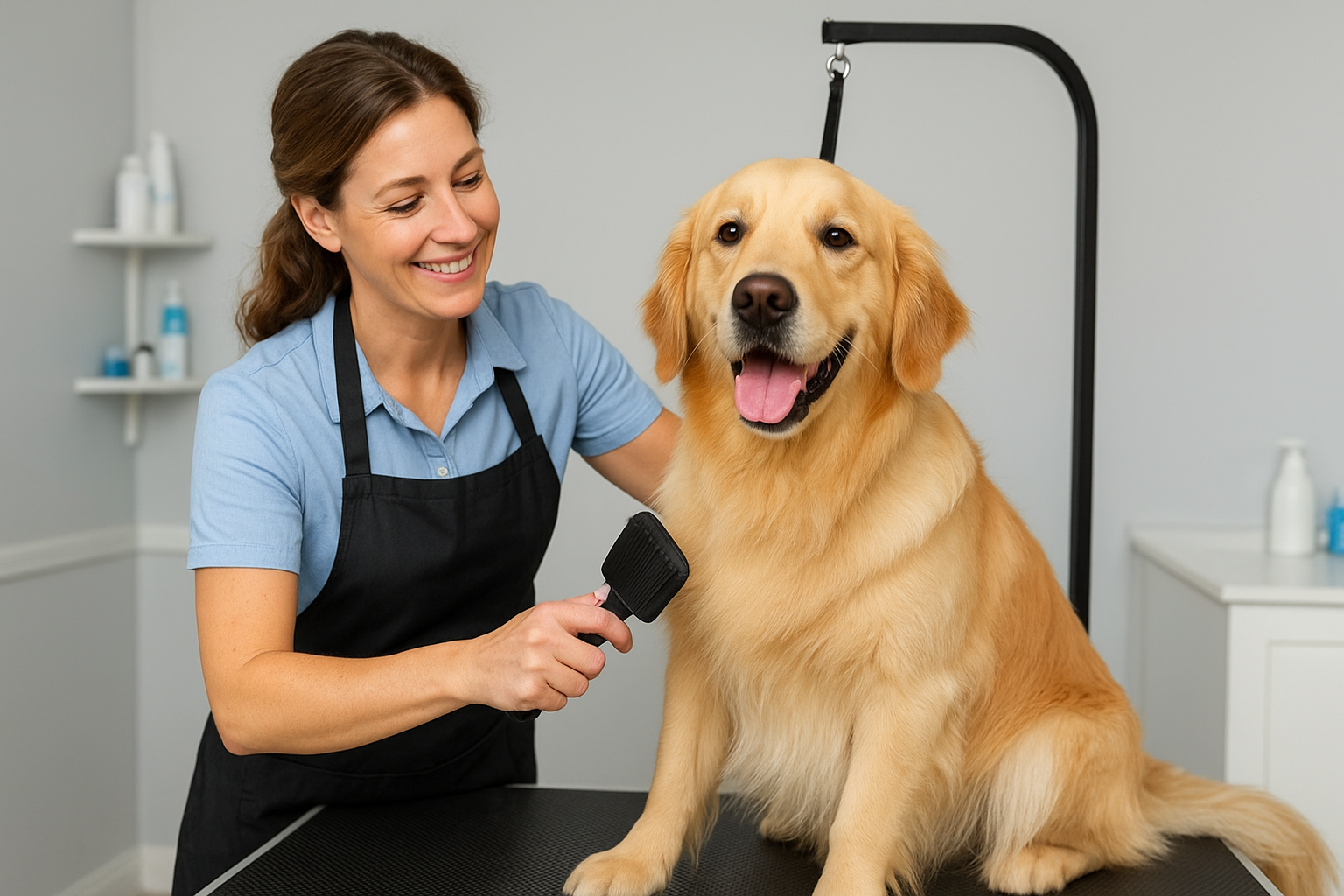
Top Dog Grooming: Your Complete Guide to Excellence
Grooming your dog isn’t just about keeping them looking cute—it’s about health, comfort, bonding and confidence. In this guide to top dog grooming, I’ll walk you through what it means, why it matters, and how you can do it well. With years of experience caring for a variety of dog breeds and working alongside professional groomers, I bring both hands-on know-how and up‐to‐date best practices to help you. Let’s dive in.
What is Top Dog Grooming and Why It Matters
At its core, top dog grooming involves regular, thoughtful care of your dog’s coat, skin, nails, ears, teeth and overall hygiene. It’s more than just a bath and a haircut — it’s a complete maintenance routine that keeps your dog healthy, comfortable, and looking its best.
Why does this matter?
- A well-groomed dog is less likely to develop skin infections, matting, ear problems or over-grown nails. For example, one trusted source notes that regular brushing helps remove dirt, distribute natural oils throughout the coat and prevent tangles or irritations.
- Grooming is also bonding time. It gives you a chance to inspect your dog’s body closely (skin, paws, ears) and detect issues early. According to professional advice, grooming even low-maintenance breeds helps you check for parasites, lumps or abnormalities.
- Appearance matters — whether you’re showing the dog, going on photo-ops, or simply wanting them to feel confident. But more importantly, comfort matters: a dog whose nails are too long or coat too matted is likely to feel pain or irritation.
So when we speak of “top dog grooming,” we mean going beyond the minimum — adopting a full, thoughtful routine that promotes your dog’s best health and well-being.
My Expertise and Why You Can Trust This Advice
Over the years I’ve worked with dogs of different breeds, coat types and temperaments — from the short‐haired Labrador to the long, silky Afghan hound. I have also collaborated with credentialed groomers and reviewed expert resources from organisations like the American Kennel Club (AKC) and the American Society for the Prevention of Cruelty to Animals (ASPCA). The advice below is grounded in real-life practice, combined with reliable research and proven methods. My aim is to provide you not just “what to do” but also “why it matters” — so you can groom with confidence.
Key Aspects of Top Dog Grooming
1. Understanding Your Dog’s Coat Type
One of the first steps to top dog grooming is recognising the coat type your dog has, because the grooming routine will vary drastically. For example:
- Short, smooth coats (e.g., Indoor breeds like Beagle or Boxer) need less frequent brushing but still benefit from weekly attention. (ASPCA)
- Long, silky or double coats (e.g., Afghan Hound, Collie) need daily or very frequent brushing to prevent mats and tangles.
- Double‐coated breeds (e.g., Huskies, Golden Retrievers) shed heavily and need specific care (deshedding tools, brushing through undercoat) to manage hair and maintain comfort.
Practical tip: Start by figuring out your dog’s breed (or dominant breed type) and observe their coat:
- Does hair constantly mat or tangle? → more frequent brushing + maybe professional grooming.
- Is there heavy shedding? → incorporate deshedding tools or extra brushing sessions.
- Do they have a single coat vs an undercoat? This affects how you bathe/dry them (see next sections).
2. Brushing and Dematting
Brushing is foundational. According to the ASPCA:
“Regular grooming with a brush or comb will help keep your pet’s hair in good condition by removing dirt, spreading natural oils … preventing tangles and keeping their skin clean.” (ASPCA)
Steps & considerations:
- Choose the right brush: slicker brushes for long hair, bristle or rubber brushes for short coats.
- Frequency: For long-haired, daily; for short-haired maybe weekly.
- Dematting: If you find dense mats, gently tease with proper tools rather than ripping or cutting blindly (which can hurt your dog’s skin).
- While brushing, run your hands over the coat to check for lumps, irritation, ticks or fleas — this turns grooming into a health check.
3. Bathing, Drying & Skin Care
Bathing is crucial, but it must be done properly for grooming to count as “top‐level.” Some mistakes can reduce the benefit or even damage your dog’s coat.
What to do & what to avoid:
- Use a shampoo designed for dogs — dogs’ skin pH differs from humans. Using human or baby shampoo can strip oils and cause dryness/irritation.
- Brush the coat before bathing if there are mats or tangles; wet mats are much harder to deal with.
- Avoid overly frequent baths unless medically necessary — too many baths may strip the coat of natural oils.
- When bathing: protect ears by avoiding direct water flow, clean the face with a damp cloth rather than full head bath.
- Dry thoroughly: for long/hairy dogs, ensure they are completely dry before finishing; use a towel or dog-friendly dryer on low heat. Wet fur can lead to skin issues or matting.
Example from my experience: I had a long‐haired spaniel who hated baths. Early on, I skipped brushing before the bath — the coat got matted, the water couldn’t penetrate properly, and post-bath the coat dried unevenly. After changing routine (brush first, then bathe, then dry) the coat looked healthier, mats didn’t return so quickly, and the dog was more comfortable.
4. Nail, Ear and Dental Care
True “top dog grooming” sees grooming as full‐body care, not only outer appearance.
- Nails: Overgrown nails can cause pain, alter gait and lead to injuries. (Wikipedia)
Tip: If you hear nails clicking on the floor, that’s a cue to trim. For dark nails where the “quick” isn’t visible, trim small amounts gradually. - Ears: Long-ear dogs or those with hairy ear canals are prone to ear infections. While grooming you should check ears for redness, smell, discharge, and keep hair trimmed if required.
- Teeth: Often overlooked, dental hygiene is part of grooming. Brushing with a dog‐specific toothbrush and toothpaste helps prevent tartar and related issues.
5. Tailored Routine & Professional Grooming
While many owners can and should do grooming at home, there are times when professional help is valuable — especially for breeds with complex coats or dog owners who prefer a styled trim.
- Understand that grooming needs vary by breed, lifestyle (indoor vs outdoor dog), coat length and shedding. For example, a Goldendoodle with long teddy‐bear cut will require much more maintenance than a short‐haired Labrador.
- If you choose a professional groomer, check their credentials, ask about sanitisation practices, see past work, and discuss your dog’s specific needs (coat type, behavioural issues, etc.).
- Between sessions at a groomer, maintain the routine at home so coat, nails and hygiene do not degrade.
6. Behaviour, Bonding & Making Grooming Positive
Even with the best tools and knowledge, keeping grooming stress-free is a challenge. Dogs may resist brushing, bathing or nail trimming. Experience tells me that making grooming a positive and regular event is key to success.
Suggestions:
- Introduce grooming tools early (especially for puppies) and associate them with treats, praise and calm sessions. According to grooming experts, teaching your dog to enjoy grooming helps a lot: “If you make it enjoyable … your dog will look forward to its next pampering session.”
- Break the grooming items into small incremental steps — e.g., today just touch the brush and give treat; tomorrow start brushing for 30 seconds etc.
- Use a calm voice, choose a safe area, ensure good grip and safety to prevent injury.
- Reward after grooming with a fun walk or playtime to reinforce the positive association.
Addressing Common Questions and Challenges
Q1: How often should I groom my dog?
It depends on coat type and lifestyle. A short‐haired indoor dog may only need a thorough grooming (bath + trim) every 6–8 weeks, with brushing weekly. A long‐haired or outdoor dog may need weekly brushing and baths every few weeks—or even more often if dirty. Frequent brushing between baths helps.
Q2: Can I use human shampoo on my dog?
No. Dogs have different skin pH than humans, and human/baby shampoo can strip natural oils, causing dry/irritated skin. Use a dog‐specific shampoo.
Q3: What do I do with mats in long hair?
Mats must be handled carefully — brush gently with dematting tools, clip the worst only if needed, and avoid just cutting without care. For severely matted hair, consider a professional groomer.
Q4: How do I trim nails without hurting my dog?
Use proper nail clippers, trim small bits at a time if you’re cautious, and know the “quick” (blood vessel) in light nails. If you cut into the quick, use styptic powder or corn starch to stop bleeding. Make it positive with treats.
Q5: My dog hates grooming — what can I do?
Start slow, use positive reinforcement, keep sessions short, create a calm environment. For fearful dogs, speak to a groomer experienced with anxious pets or a behaviourist. Building trust matters more than speed. A groomer has even gone viral sharing hacks for timid animals.
Q6: Why do groomers cost so much? Should I tip?
Professional grooming includes many tasks (bath, dry, haircut, nail trim, ear clean) and can involve skill, safety, equipment and time. Tipping is a personal choice; many recommend ~10-20% if satisfied.
Practical Tips & My Experience in Real-Life
Here are some actionable tips I’ve found effective in practice, drawn from hands-on grooming and working with pet owners:
- Create a “grooming station” in your home: a non-slip mat, good lighting, necessary tools within reach (brushes, nail clippers, towels). Consistency makes grooming less of a chore.
- Routine schedule: e.g., brush long‐haired dog every ‘other’ day, check nails weekly, bath every 4-6 weeks (or sooner if muddy). My spaniel would accumulate dirt quickly in the undercoat, so we adopted a schedule of light rinse + dry between full baths.
- Tool maintenance: Keep brushes clean (remove hair, wash if needed) to prevent transferring bacteria. According to grooming hygiene advice, cleaning brushes regularly is important. (Better Homes & Gardens)
- Observe while grooming: I once found a small skin lump on a dog’s flank during a brushing session—it turned out to require vet attention. Grooming time doubles as health check time.
- Comfort & safety first: For dogs that resist standing for long periods, I use a towel wrap, a favourite toy, short sessions, and always reward them.
- Adjust based on season & environment: If your dog is outside more or has more exposure to dirt/puddles, increase brushing/bathing frequency. If indoor and short‐haired, may need less.
- Make it fun: Grooming can be bonding time: talk to your dog, give treats, make the environment calm (low noise, familiar place). Over time your dog will associate grooming with positive experiences.
Challenges & How to Overcome Them
Even with the best intentions, you may face obstacles. Here are common challenges and solutions.
Challenge: Fearful or anxious dog during grooming
- Solution: Break up the grooming into small steps, starting with just sitting near the brush. Use treats, positive reinforcement, calm voice and patience. Consider seeking a groomer who specialises in behaviourally-sensitive grooming.
Challenge: Mats and tangles in long hair
- Solution: Don’t ignore the mats. Try applying a detangler spray (dog-safe), use slicker brush to gently tease out, or if too dense, have a professional groomer clip safely. Brush regularly to prevent new mats.
Challenge: Time constraints or busy schedule
- Solution: Incorporate grooming into existing routine rather than seeing it as separate. For example, while watching TV, brush your dog for 5-10 minutes. Then schedule full brushing/bath on a weekend. Consistent short sessions help maintain coat and reduce workload.
Challenge: Unfamiliar with tools
- Solution: Invest in a basic grooming kit and take time to learn each tool’s purpose (e.g., slicker brush, deshedding comb, nail clippers). Many resources online show how to use them properly. (blog.homesalive.ca)
Challenge: Cost of professional grooming
- Solution: Balance between what you can do at home and what requires a professional. Many dogs do fine with home maintenance (brushing, baths, basic trims) and only need pro grooming a few times a year. Use your home grooming to reduce work at pro visits (and cost).
Making Grooming a Long-term Habit
To sustain top dog grooming, it helps to treat it not as a “once in a while” task but as an ongoing habit. Here’s a mini roadmap:
- Set a schedule: Decide how often you will brush, check nails, bath, and perform a full health inspection (once a month).
- Prepare your tools and environment: Keep grooming supplies in one place, tidy, accessible.
- Track progress: Note any skin changes, coat improvements, less shedding, fewer mats — this will motivate you.
- Reassess breed/coat changes: If your dog’s lifestyle changes (older dog, more outdoor time), adjust your grooming plan accordingly.
- Celebrate success: Make grooming a positive ritual — after grooming, plan a walk, treat, or cuddle time so your dog associates grooming with reward.
- Know when to seek professional help: If you notice lumps, skin irritations, behavioural issues, or grooming tasks you’re uncomfortable with — don’t hesitate to consult a vet or professional groomer.
Conclusion
In summary, top dog grooming means going beyond basic hygiene—it means tailoring your dog’s grooming routine to their coat, lifestyle and health, investing effort into brushing, bathing, nail/ear/dental care, and building a positive grooming habit. With the right tools, schedule and mindset, you can keep your dog comfortable, healthy and looking great.
Now is the time to act. Start by setting up a grooming zone in your home, pick a day this week to brush your dog and inspect their coat. Identify one new habit (e.g., weekly nail check) and commit to it. If you’d like personalised guidance — for example, breed-specific grooming plans or behaviour-adapted strategies — feel free to contact me for help.
Your dog deserves the best, and with these steps you’re well on the path to delivering top-notch grooming.
External Resources
- ASPCA dog grooming tips: aspca.org/pet-care/dog-care/dog-grooming-tips (ASPCA)
- AKC grooming advice: akc.org/expert-advice/health/grooming (American Kennel Club)
- Humane World home grooming guide: humaneworld.org/how-to-groom-your-dog-home (humaneworld.org)
Feel free to ask if you’d like a breed-specific grooming guide (for example: long-haired breeds, doodles, short‐haired indoor dogs) or home grooming product recommendations.
