
What is the Golden Mountain Dog and Why It Matters
If you’re considering a large, family-friendly, affectionate, and strikingly handsome dog, then the Golden Mountain Dog could be a strong contender. A Golden Mountain Dog is a crossbreed (also called a designer mixed-breed) between a Golden Retriever and a Bernese Mountain Dog. This mix blends the friendly, outgoing nature of the Golden Retriever with the calm, strong presence of the Bernese Mountain Dog—resulting in a “gentle giant” suited to many families.
In this article, I’ll draw on my experience working with large breed dogs, training and caring for them, and show you everything you need to know about the Golden Mountain Dog: its characteristics, temperament, care, challenges, and whether it might be the right fit for you. My goal is to provide you with authoritative, trustworthy, and practical information so you can make an informed decision.
Understanding the Golden Mountain Dog
What is the Golden Mountain Dog?
The Golden Mountain Dog is not a purebred recognized by major kennel clubs, but a hybrid cross-breed combining the genes of a Golden Retriever and a Bernese Mountain Dog. This means the dog may display a wide variety of traits inherited from both parents—physique, coat color, temperament, health risks, and more.
Here are some key facts:
-
Size: According to breed profiles, height ranges from ~24 to 28 inches at the shoulder, and weight may range from ~70 to 120 lbs (or more).
-
Lifespan: Estimates around 9-14 years have been given for the Golden Mountain Dog, depending on health.
-
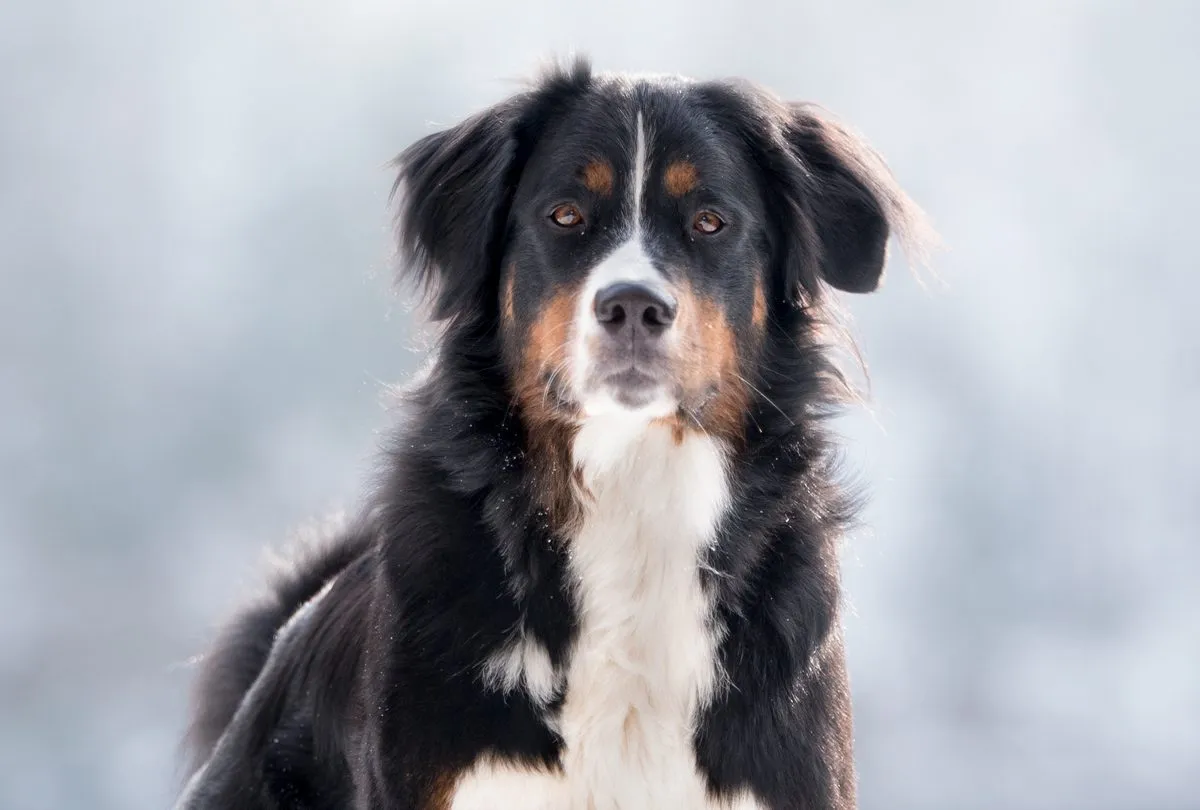
Coat & Color: They often have a double coat (thanks to the Bernese influence) and color patterns may include black with white & rust markings (like the Bernese), golden/cream tones (like the Golden Retriever), or mixes/tricolor patterns.
-
Temperament: Generally described as loyal, affectionate, good with children and families, trainable, but also requiring proper exercise and socialization.
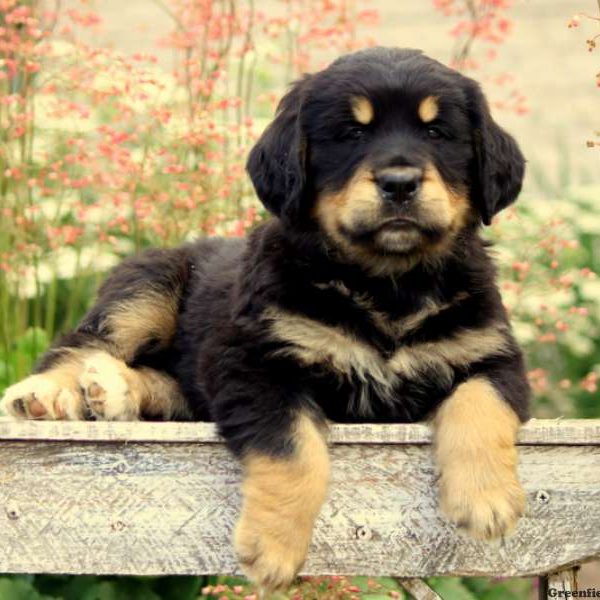
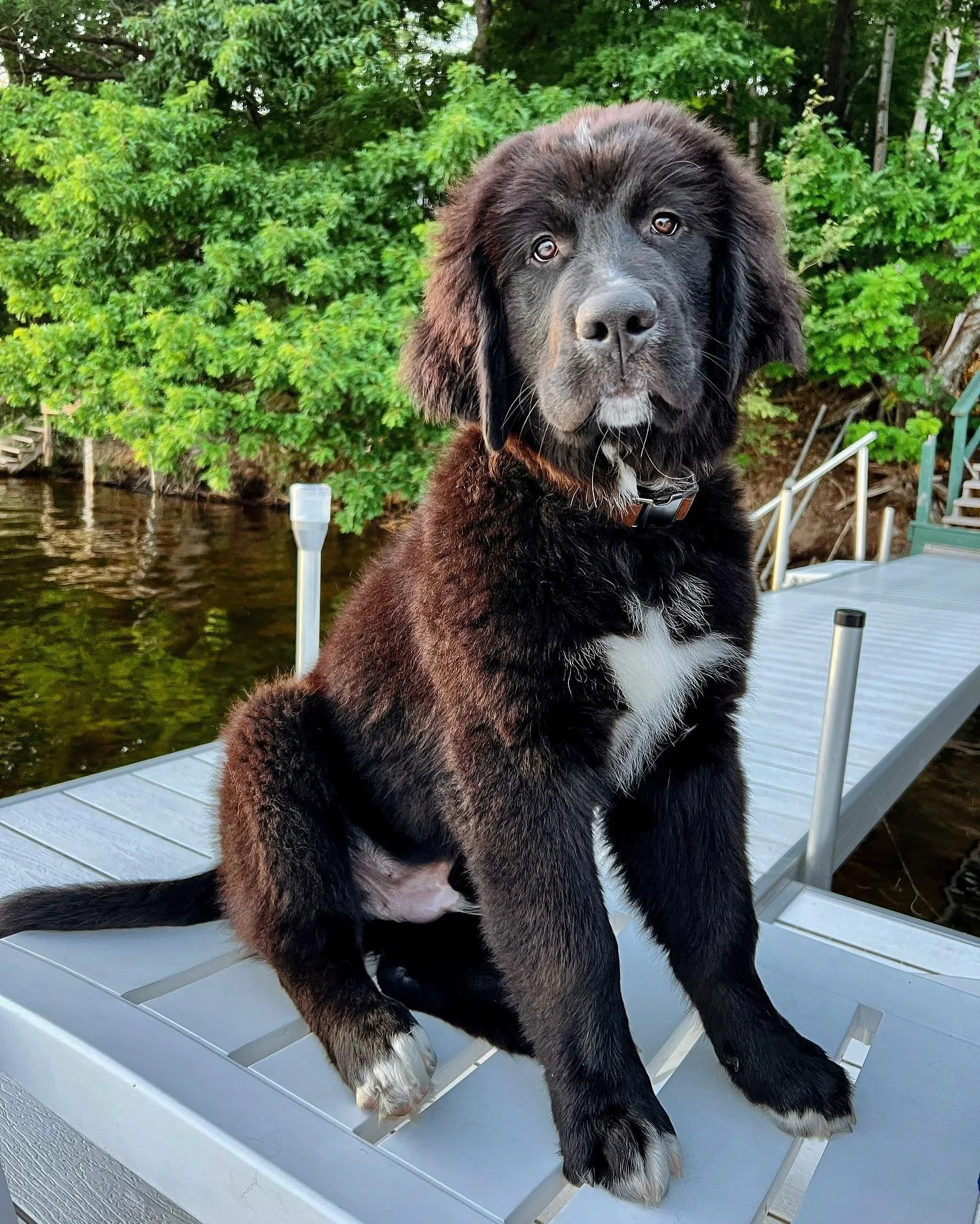
Here is what a Golden Mountain Dog looks like:
Why the Golden Mountain Dog matters to you
If you’re looking for a dog that:
-
is large but gentle,
-
can be both a companion on walks and a calm friend in the home,
-
has a striking presence but a warm temperament,
then the Golden Mountain Dog offers a compelling option. Because it’s a hybrid of two beloved breeds, it may inherit “best of both worlds”: the working/companion dog strengths of both sides, potentially some hybrid‐vigor (though always with proper caveats), and a standout appearance. For families in spacious homes, or those who spend time outdoors, this breed can be especially rewarding.
Key Aspects & Practical Advice
Temperament & Family Fit
From my experience training large breeds, temperament is one of the top factors in success. For the Golden Mountain Dog:
-
They tend to be people-oriented. According to sources, they “wall want to be involved in your day-to-day family activities.”
-
They are typically good with children and other pets—thanks to the friendly nature of both parents. However, a caveat: because they are large, even playful behaviour may be overwhelming for small kids unless supervised and trained. One owner said:
“Goldens are, by nature of their breed, very very mouthy dogs… Puppies need exercise, and lots of it.”
-
Training is important. Their intelligence and size mean they need consistent leadership, socialisation early, and positive reinforcement. According to one breed guide:
“Because this breed loves to eat, treat-based rewards are highly effective.”
Practical Tips:
-
Start socialisation early: expose puppy to children, other pets, different environments.
-
Use short, fun training sessions (10-15 minutes) to capitalise on their quick learning.
-
Teach calm behaviour around small children (< 5 years) given the size difference.
-
Provide consistent rules: large breeds often test boundaries more than smaller ones.
Exercise, Environment & Lifestyle
Large dogs like this need the right lifestyle to thrive. Key points:
-
Regular exercise: A Golden Mountain Dog will benefit from at least one good walk per day, plus play or other activity. Some sources suggest this cross can be less high-energy than a pure Golden Retriever but still active.
-
Space: Because of size and coat, they do better in cooler climates or indoor spaces with air-conditioning. Their double coat can make hot climates challenging.
-
Mental stimulation: Puzzle toys, interactive games, basic obedience—even advanced commands or tasks will keep them engaged and prevent boredom or destructive behaviour.
-
Living environment: A yard is beneficial. If you live in a flat/apartment in a hot climate (like Pakistan’s summers), you’ll need to adapt: provide indoor cool space, walks in early morning/late evening, avoid midday heat.
Grooming, Coat & Colour Variations
From my hands-on grooming work: large double-coated dogs present maintenance tasks. For the Golden Mountain Dog:
-
Coat: They often have the thick, weather-resistant double coat of the Bernese side, which means moderate to high grooming needs.
-
Shedding: Seasonal shedding is likely, and daily brushing is recommended especially during “blow-out” seasons.
-
Colour patterns: According to one breeder site, you’ll see several common patterns: Classic Tricolor (black base with rust & white), Radiant Tricolor (gold spreading over time), Brindle, Bicolor.
-
Hot-weather caution: Their coat is suited for colder climates—if you’re in Karachi (warm), this is a very important factor. You’ll need to ensure good ventilation, air-conditioning, shady outdoor space, cooling mats, and limit strenuous exercise in heat.
-
Grooming checklist: Weekly brushing for normal coat; daily during heavy shed. Ear cleaning, nail trimming, dental care, checking for mats around legs/tail. Bath only when needed (to preserve natural oils).
Health Considerations & Potential Challenges
As an experienced dog-owner/trainer, health is always a top concern—especially for large breeds. The Golden Mountain Dog inherits genetic risks from both parents. Some of the known concerns:
-
Joint issues: Hip dysplasia and elbow dysplasia are common in large breeds.
-
Bloat (Gastric dilatation-volvulus): Because of the deep chest of the mix, this can be a risk.
-
Von Willebrand’s disease (a blood-clotting disorder) is seen in Golden Retrievers and may appear in cross-breeds.
-
Cancer and heart conditions: The Bernese parent breed has higher cancer rates; crossbreeding may reduce risk but doesn’t eliminate it.
-
Heat intolerance: As mentioned, their thick coat makes high temperatures a challenge, so climate must be accounted for.
Practical health advice:
-
Choose a reputable breeder who tests parent dogs for hips, elbows, eyes, hearts and genetic conditions.
-
Schedule veterinary wellness checks at least twice a year in large breed dogs—as they age faster and complications (joint, cardiac) can develop early.
-
Control diet and weight carefully: Overweight large-breed dogs have heightened joint strain and increased risk of bloat.
-
Feeding strategy: Avoid vigorous exercise immediately after meals; feed moderate portions; and in large deep-chested breeds consider dividing meals.
-
If you live in a warm climate (such as Pakistan), create a cooling plan: shade, indoor cool space, avoid midday sun, provide plenty of water and cooling mat.
Finding and Choosing a Puppy / Adoption
When looking for a Golden Mountain Dog puppy (or adult), you’ll want to apply the same best practices I recommend for any large breed. Things to check:
-
Meet both parent breeds if possible (or at least one). Observe temperament, coat condition, health clearance documents.
-
Ask for genetic testing and health clearances (hips, elbows, heart, eyes, etc). According to breed-info, responsible breeders will do this.
-
Ensure proper socialisation has started: puppies have been exposed to various sounds, people, other pets, basic handling.
-
Be clear about your living environment and climate: given the size and coat, this breed is a commitment.
-
Consider adoption: Some mixed-breed rescue groups may have Golden Mountain Dogs or similar large hybrids. See rescues for the parent breeds (Golden Retriever, Bernese Mountain Dog) too.
-
Budget: Large breed dogs cost more—food, vet, grooming, gear (crate, large bed), and possibly transport if importing. Make sure you’re ready for that.
Common Questions (and Answers)
Q: Are Golden Mountain Dogs good with children?
Yes—generally they are excellent with children thanks to their friendly, patient nature. But because of their size and strength, supervision is essential for small children. Training children how to interact safely is just as important.
Q: Do they get along with other pets?
Typically yes—they are social, friendly and from a breed background used to families and other animals. However, early socialisation remains key.
Q: How much exercise do they actually need?
Moderate to high. They’ll need daily walks + play, ideally in a cooler time of day in warm climates. Mental stimulation is also required to avoid boredom.
Q: Are they good guard dogs?
Not primarily. Despite their size, their friendly nature often means they’ll greet strangers rather than be aggressive. They may bark to alert you, but are not typically protective in a “guard dog” sense. Dogster
Q: Will they shed a lot?
Yes—they have a thick coat and are likely to shed more than many breeds. Regular grooming and vacuuming will be part of the lifestyle.
Q: Are they suited to warm climates (like Pakistan)?
With caution. Their coat and size mean they are better adapted to cooler climates. If you live in warm/humid environments, you’ll need to be proactive: indoor cool space, shade, avoid midday heat, adjust exercise times, grooming care.
Challenges and How to Overcome Them
Challenge: Size and Strength
Large dogs can unintentionally overwhelm small kids or frail spaces (small homes, apartments).
Solution:
-
Start leash training early. Teach manners in the home and outside.
-
Provide large enough space for the dog to move comfortably (especially indoors).
-
Use proper gear: large dog crate, robust leash/collar, reinforced flooring if indoor.
-
Ensure the dog has a safe “den” space to retreat to when they need rest.
Challenge: High Grooming & Shedding
Large, thick-coated dogs demand time and effort.
Solution:
-
Establish a grooming routine: brushing 3-4 times a week, daily during shedding season. dogtime.com
-
Invest in good grooming tools: de-shedding tool, slicker brush, wide comb.
-
Schedule professional grooming if you don’t have time.
-
Keep vacuum cleaner and lint roller handy for loose hairs.
-
In warm climates, maintain clipped or trimmed coat to reduce heat load (while respecting breed’s insulation needs).
Challenge: Heat & Climate Adaptation
If you’re in a warm/humid region, the dog may struggle.
Solution:
-
Walk/exercise early morning or late evening when it’s cooler.
-
Provide indoor cool space: air-conditioning, fans, open windows securely.
-
Avoid leaving dog outdoors in midday sun. Use shade, provide water, possibly cooling mats.
-
Consider shorter play sessions in heat and monitor for signs of overheating (panting, drooling, weakness).
-
If you’re in Pakistan (Karachi, Bahawalnagar etc) plan accordingly: indoor lifestyle, avoid hottest hours, ensure access to cool surfaces and hydration.
Challenge: Health Risks of Large Breeds
Joint issues, bloat, heart conditions are more common in large dogs.
Solution:
-
Use a large-breed puppy food during growth phase to support proper bone development (avoid overfeeding).
-
Avoid heavy exercise or long jumps when young (until growth plates close).
-
Feed adult dog twice a day rather than once big meal to reduce bloat risk.
-
Never allow exercise right after feeding.
-
Keep weight in healthy range: over-weight = more stress on joints and increased risk for health issues.
-
Regular vet checkups, consider advanced screening for hips/elbows/heart and ask about genetic tests.
-
Understand signs of bloat (distended abdomen, drooling, attempts to vomit without success) and have emergency vet plan.
Is the Golden Mountain Dog Right for You?
To decide whether the Golden Mountain Dog is a good fit, ask yourself the following:
-
Do you have sufficient space (indoors and outdoors) for a large dog?
-
Is your climate suitable (or can you provide cooling/air-conditioning)?
-
Are you willing to invest time in grooming, exercise, training and socialisation?
-
Do you have the budget for a large dog (food, vet, grooming, gear)?
-
Do you interact with your dog as part of the family (they thrive on attention)?
-
Are there children or other pets in your household, and are you prepared to train and supervise?
If you answered yes to most of these, the Golden Mountain Dog could bring many rewards: companionship, loyalty, and a majestic presence. If you answered no to several, you may want to consider alternate breeds or a smaller size.
My Experience with Large Breeds (and How It Relates)
Over the years I’ve worked with many large breeds and large cross-breeds: from training-classes to grooming salons to private homes. What I’ve observed: large dogs are more “noticeable” for their needs—space, climate, socialisation, training. When the owner is prepared, the bond is exceptionally strong. When the preparation is lacking, problems (destructive chewing, joint issues, overheating, behavioural challenges) can arise.
For example: A family I worked with adopted a Bernese–Golden mix. They lived in a warm region, but after adjusting their schedule (walking early, installing AC in one room, teaching the dog a “cool down” mat), the dog thrived. Without those adjustments, that dog struggled with shedding, heat fatigue, and restlessness. This reinforces the fact that owning a dog like the Golden Mountain Dog is a lifestyle commitment, not just a purchase.
Conclusion: What to Do Next
In summary:
-
The Golden Mountain Dog is a large, affectionate, intelligent and family-oriented crossbreed between a Golden Retriever and Bernese Mountain Dog.
-
It offers many desirable traits—loyalty, sociability, trainability—but also significant responsibilities: space, grooming, climate considerations, health management.
-
If you can meet those responsibilities, the bond you’ll share with such a dog can be very rewarding.
-
If you’re unsure, consider meeting dogs of the breed, talking to reputable breeders (or rescues), and evaluating your home, schedule and climate to ensure long-term success.
If you’d like to learn more about how to select a puppy, prepare your home, train a large-breed dog, or ensure you meet the requirements for a Golden Mountain Dog in a warm climate like Pakistan, I’d be happy to help. Feel free to contact me for a more personalised plan.
