
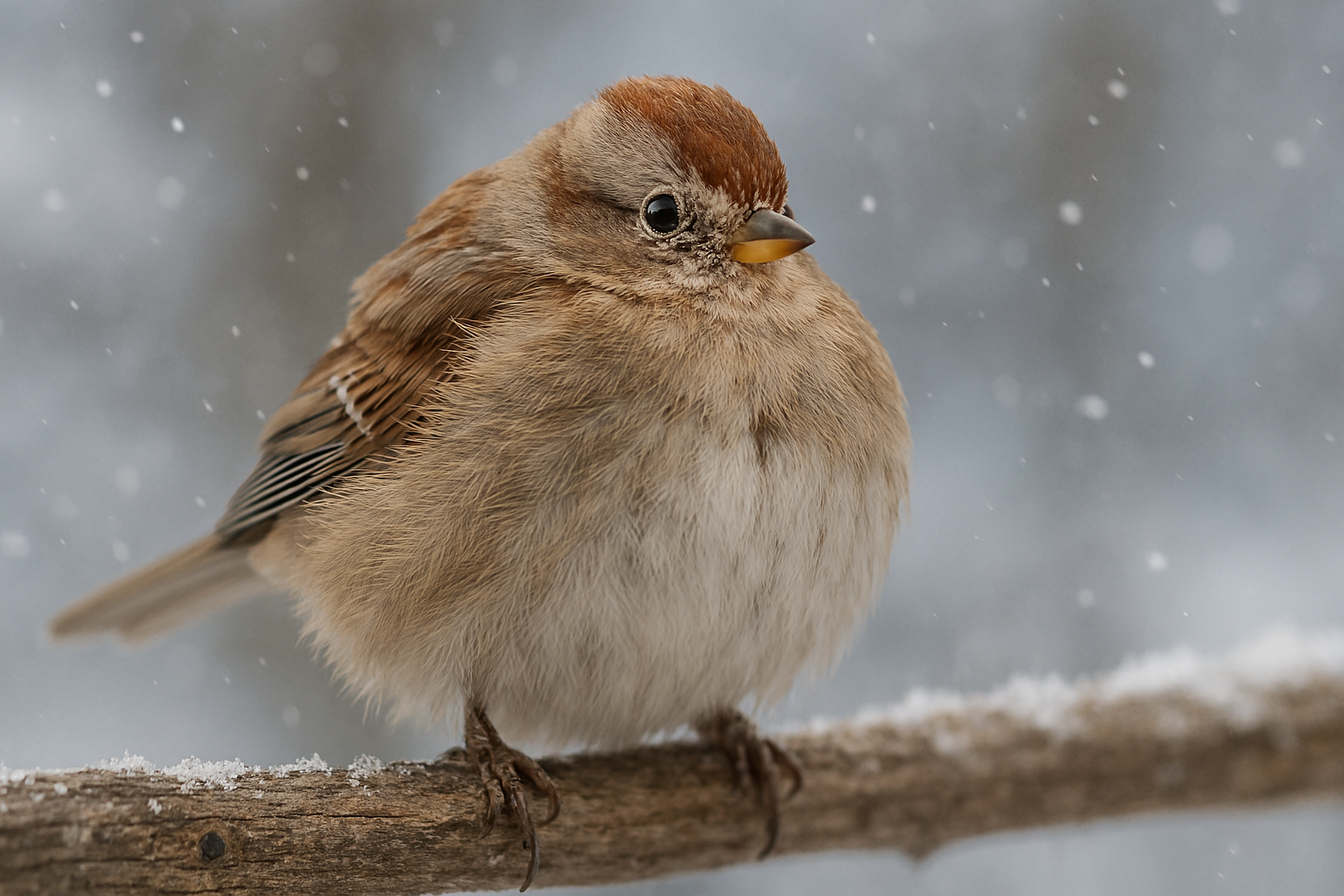
If you own a pet bird or enjoy observing birds in your backyard, you may sometimes notice a bird sitting with its feathers puffed up. While this behavior can look cute or normal, it can also be a warning sign.
Knowing how to tell if a bird is fluffed up from cold or illness is important for anyone who cares about bird health and welfare.
Birds fluff up their feathers for different reasons. Sometimes they do it to stay warm when temperatures drop. Other times, it may signal that the bird is sick, stressed, or weak. Because birds naturally hide signs of illness to avoid predators, subtle behaviors like fluffing can be one of the earliest indicators that something is wrong.
If you are new here also read the other articles as related to your pet care.
As someone who has studied bird behavior and spent years observing both pet birds and wild species, I have learned that understanding small changes in posture and activity can make a huge difference in protecting a bird’s health.
In this guide, we will explore how to distinguish between normal feather fluffing caused by cold temperatures and dangerous fluffing caused by illness. We will also cover common symptoms, real-life examples, and practical steps you can take to help a bird in need.
By the end of this article, you will have a clear understanding of how to identify the cause of feather fluffing and when it is time to take action.
Why Birds Fluff Up Their Feathers
Before learning how to tell if a bird is fluffed up from cold or illness, it’s important to understand why birds fluff their feathers in the first place.
Birds fluff their feathers mainly for three reasons:
1. Temperature Regulation
Birds fluff their feathers to trap warm air between their feathers and skin. This natural insulation helps them stay warm in cold weather.
For example, small birds like sparrows or finches often puff up during winter mornings when temperatures are low.
2. Relaxation or Sleep
Sometimes birds fluff up simply because they are relaxed. When resting or sleeping, they loosen their feathers and may tuck their head under a wing.
This is normal behavior and usually lasts only a short time.
3. Illness or Weakness
When a bird is sick, it may remain fluffed up for long periods. This happens because illness affects the bird’s energy and body temperature control.
In this case, fluffing is often accompanied by other symptoms such as lethargy, loss of appetite, or breathing issues.
Understanding these basic reasons helps you start identifying whether the fluffing is harmless or a sign of illness.
How to Tell If a Bird Is Fluffed Up from Cold or Illness
Now let’s examine the most important signs that help determine the cause.
1. Duration of the Behavior
Cold-related fluffing:
- Usually temporary
- Happens during cold weather
- The bird becomes active again after warming up
Illness-related fluffing:
- Lasts for hours or even days
- The bird remains puffed up even in warm conditions
- Activity levels stay low
If a bird stays fluffed up most of the day, illness may be the cause.
2. Activity Level
Healthy birds are naturally active.
Signs of normal behavior:
- Flying
- Chirping
- Eating normally
- Grooming feathers
However, a sick bird often appears quiet and weak.
Signs of illness include:
- Sitting still for long periods
- Closing eyes frequently
- Refusing to fly
- Staying at the bottom of the cage
Low energy combined with fluffing is often a red flag.
3. Appetite Changes
One of the clearest indicators of illness is loss of appetite.
If a bird is simply cold, it will still eat regularly.
A sick bird may:
- Ignore food
- Drop seeds
- Eat very little
According to the American Veterinary Medical Association (AVMA), appetite loss in birds is often an early sign of disease.
4. Breathing Problems
Another key factor when determining how to tell if a bird is fluffed up from cold or illness is breathing.
Healthy birds breathe quietly.
Sick birds may show:
- Open-mouth breathing
- Tail bobbing with each breath
- Wheezing sounds
- Rapid breathing
These symptoms may indicate respiratory infections, which require immediate veterinary care.
5. Feather Appearance
Feathers can also reveal a lot about a bird’s health.
Normal fluffing:
- Feathers look clean and smooth
- The bird occasionally shakes them back into place
Illness-related fluffing:
- Feathers appear messy or dull
- Bird does not groom itself
- Feathers stay puffed up constantly
Birds normally spend a lot of time preening. Lack of grooming is often a sign something is wrong.
6. Body Position
Bird posture can help you detect problems early.
A cold bird usually stands upright and may tuck one foot under its body.
A sick bird often:
- Sits hunched over
- Keeps both feet down
- Looks unstable or weak
If you notice these signs along with fluffing, illness may be the cause.
Real-Life Example: Observing Backyard Birds
While observing birds in winter, I once noticed two sparrows sitting on a fence.
Both had slightly puffed feathers, but their behavior was very different.
The first bird:
- Fluffed feathers briefly
- Flew away within minutes
- Continued feeding normally
The second bird:
- Stayed fluffed for hours
- Did not move much
- Looked weak
The second bird likely had a health issue rather than simply being cold.
Observations like these show why behavior patterns matter more than feather position alone.
Common Illnesses That Cause Fluffed Feathers
Several health conditions can cause birds to remain fluffed up.
1. Respiratory Infections
These infections affect the lungs and air sacs.
Symptoms include:
- Fluffed feathers
- Labored breathing
- Nasal discharge
- Lethargy
2. Parasites
External parasites like mites can make birds uncomfortable and weak.
Signs include:
- Excessive scratching
- Feather damage
- Weight loss
3. Digestive Issues
Digestive infections can lead to:
- Reduced appetite
- Diarrhea
- Weakness
- Constant fluffing
4. Hypothermia
If a bird is exposed to extreme cold, it may develop hypothermia.
Symptoms include:
- Severe fluffing
- Shivering
- Weakness
In this case, warming the bird gradually is critical.
Challenges Bird Owners Face
Many bird owners struggle to identify illness early.
1. Birds Hide Symptoms
In the wild, sick birds become easy targets for predators. Because of this, birds instinctively hide signs of illness until they are very sick.
2. Fluffing Looks Normal
Since birds fluff up for comfort or warmth, owners may ignore the behavior.
3. Lack of Knowledge
Many people simply don’t know how to tell if a bird is fluffed up from cold or illness, which delays treatment.
Recognizing early signs can save a bird’s life.
What To Do If You Suspect Illness
If you think a bird’s fluffing is related to illness, take the following steps.
1. Observe the Bird Carefully
Watch for:
- Appetite changes
- Breathing problems
- Droppings abnormalities
- Low activity
These clues help determine the severity of the situation.
2. Provide Warmth
If the bird appears cold:
- Move it to a warmer environment
- Avoid sudden temperature changes
- Ensure there is no cold draft
Birds are very sensitive to temperature fluctuations.
3. Ensure Clean Food and Water
Fresh food and clean water help support recovery.
Contaminated food can worsen illness.
4. Contact an Avian Veterinarian
If symptoms persist for more than a few hours, consult a professional.
Bird illnesses progress quickly, and early treatment greatly increases survival chances.
Preventing Health Problems in Birds
Prevention is always better than treatment.
Here are some tips to keep birds healthy.
Maintain Proper Temperature
Most pet birds thrive in temperatures between 65°F and 80°F (18°C to 27°C).
Avoid sudden temperature drops.
Provide Balanced Nutrition
Healthy diets should include:
- Seeds
- Pellets
- Fresh vegetables
- Fruits in moderation
Poor nutrition weakens the immune system.
Keep the Environment Clean
Dirty cages and feeders can harbor bacteria.
Clean cages regularly and replace water daily.
Regular Veterinary Checkups
Routine health exams can detect diseases early.
The Association of Avian Veterinarians recommends yearly checkups for pet birds.
Trusted resource:
https://www.aav.org
Environmental Factors That Can Cause Birds to Fluff Their Feathers
When learning how to tell if a bird is fluffed up from cold or illness, it’s also important to consider environmental factors. Sometimes the reason has nothing to do with disease but rather with the bird’s surroundings.
Sudden Weather Changes
Birds are very sensitive to temperature shifts. If the weather suddenly becomes colder, many birds fluff their feathers to trap warm air close to their bodies.
For example, small birds like finches, chickadees, and sparrows may look like little puffballs during early mornings in winter. This behavior helps them conserve body heat until the temperature rises.
However, once the sun warms the environment, these birds usually return to their normal appearance and resume their daily activities.
Wind and Rain Exposure
Strong winds or rain can also cause birds to puff up their feathers. In these situations, fluffing helps create an insulating layer that protects the bird’s body from cold air and moisture.
Backyard bird watchers often notice this behavior during storms or cold windy evenings. After the weather improves, the bird typically shakes out its feathers and begins moving normally again.
Lack of Shelter
Birds without proper shelter may stay fluffed up longer in cold conditions. In winter, birds rely on dense trees, birdhouses, or shrubs for protection from cold air.
If you frequently observe backyard birds sitting fluffed up in open areas, adding shelter such as nesting boxes or thick bushes can help reduce cold stress.
According to the Cornell Lab of Ornithology, providing shelter and food sources can greatly improve bird survival during harsh weather conditions.
Signs That Require Immediate Attention
While some feather fluffing is normal, certain warning signs indicate that the bird may need urgent care. Recognizing these symptoms early can make a significant difference in the bird’s survival.
Persistent Fluffing
If a bird stays fluffed up continuously for several hours or days, it may be struggling with illness or injury.
Healthy birds usually adjust their feathers frequently throughout the day.
Sitting at the Bottom of the Cage
Pet birds rarely sit at the bottom of their cage unless they are sick or extremely weak. If a bird remains fluffed up and stays on the cage floor, it could indicate serious health issues.
Changes in Droppings
Bird droppings can reveal important clues about health. Abnormal droppings may appear:
- Watery
- Discolored
- Unusually large or small
Changes in droppings combined with feather fluffing can indicate infection or digestive problems.
For more information about bird health warning signs, the Royal Society for the Prevention of Cruelty to Animals (RSPCA) provides helpful guidance.
Tips for Backyard Bird Watchers
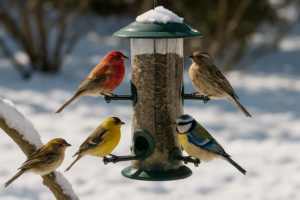
Many people notice fluffed birds while watching wildlife in their gardens. Knowing what to do in these situations can help birds survive difficult conditions.
Provide High-Energy Food
Birds burn a lot of energy staying warm. Offering foods like sunflower seeds, peanuts, or suet can provide extra calories during winter.
Keep Bird Feeders Clean
Dirty feeders can spread disease among birds. Cleaning feeders regularly helps prevent infections that may cause birds to appear fluffed up and weak.
Offer Fresh Water
Even during cold weather, birds need water for drinking and bathing. Providing fresh water encourages birds to stay healthy and active.
The National Audubon Society recommends maintaining clean feeders and water sources to support bird health and reduce disease transmission.
Advice for Bird Owners
Whether you are caring for a pet bird or simply observing birds outdoors, learning how to tell if a bird is fluffed up from cold or illness can help you respond quickly when something seems wrong.
The most important thing is to observe behavior over time. Temporary fluffing during cold weather is normal, but persistent puffing combined with weakness or appetite loss often signals illness.
By providing proper care, a warm environment, and professional veterinary help when needed, you can greatly improve a bird’s chances of staying healthy and thriving.
Frequently Asked Questions
1. Why do birds fluff up their feathers?
Birds fluff their feathers to trap warm air and regulate their body temperature. This helps them stay warm during cold weather or when resting.
2. Is a bird always sick when it stays fluffed up?
No, birds may fluff their feathers when they are cold or relaxing. However, if the bird stays fluffed up for long periods and shows weakness or appetite loss, it may be sick.
3. How do birds stay warm in winter?
Birds stay warm by fluffing their feathers, increasing food intake, and seeking shelter in trees, bushes, or birdhouses.
4. What are the signs of a sick bird?
Common signs include fluffed feathers, lethargy, breathing problems, loss of appetite, and unusual droppings.
5. When should I take a bird to a vet?
If a bird stays fluffed up for many hours, refuses food, or shows breathing problems, it should be examined by an avian veterinarian as soon as possible.
Conclusion
Understanding how to tell if a bird is fluffed up from cold or illness is an essential skill for bird owners and wildlife observers. While feather fluffing is often harmless and related to temperature regulation or relaxation, it can also be an early warning sign of serious health problems.
The key is to look beyond the feathers and observe the bird’s overall behavior. If the bird remains active, eats normally, and only fluffs up briefly in cold weather, the behavior is likely normal. However, if fluffing is constant and accompanied by symptoms like lethargy, breathing difficulties, or appetite loss, illness may be the cause.
Early detection can save a bird’s life. By paying close attention to changes in behavior and seeking veterinary help when necessary, you can ensure the bird receives the care it needs.
If you want to learn more about bird care and health, continue exploring our bird care guides or consult an avian expert for personalized advice.
