
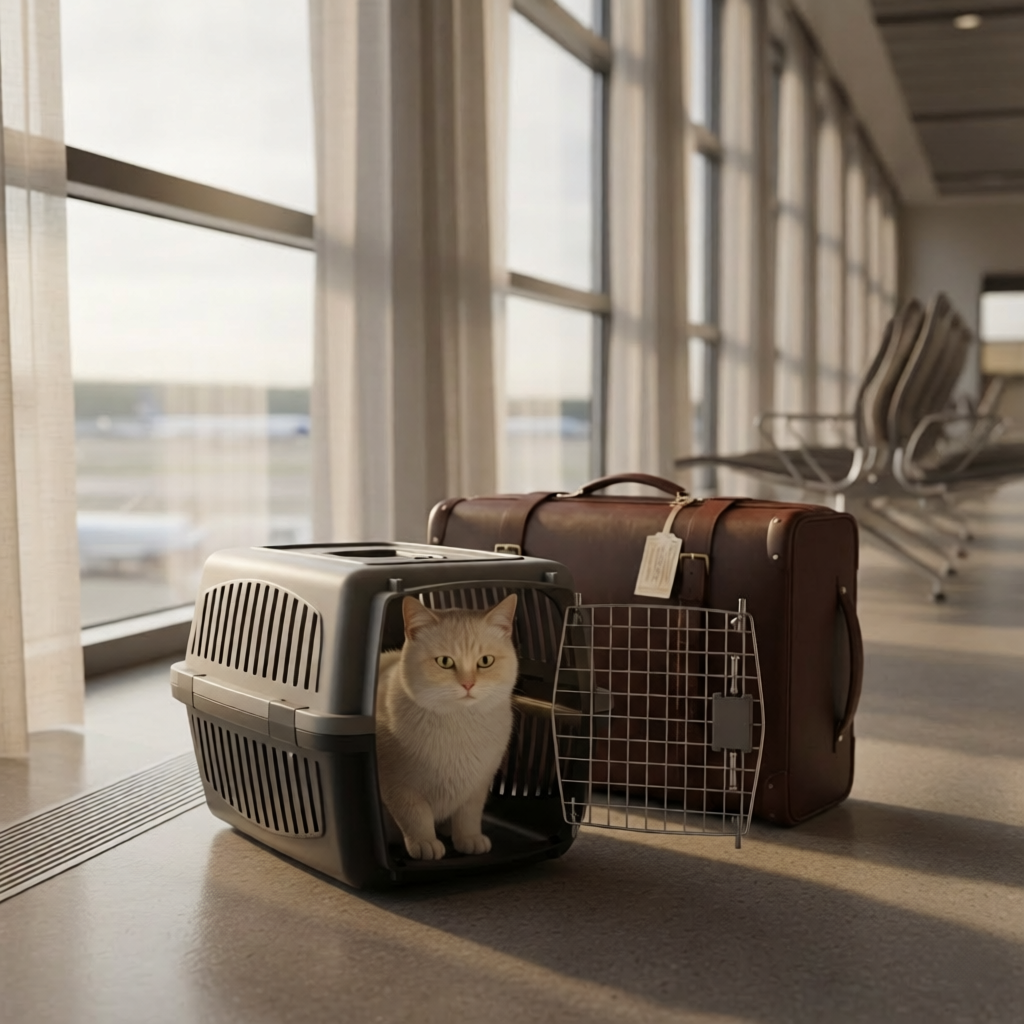
Leaving your feline friend behind can feel overwhelming.
That’s why understanding these 7 tips to prepare your cat for boarding is essential for every responsible pet parent. Proper preparation reduces
- stress,
- prevents health issues,
- and ensures your cat feels safe while you’re away.
As someone who has worked closely with pet owners and boarding facilities for years, I’ve seen firsthand how proper planning can transform a stressful separation into a smooth, safe experience.
Cats are sensitive creatures. Even small changes in routine can impact their behavior, appetite, and health.
This guide is designed using veterinary-backed advice and real-world boarding experience to help you prepare confidently. And if you’re unsure whether boarding or home care is better, read our detailed comparison guide.
Whether you’re traveling for a weekend or an extended trip, these expert-backed tips will ensure your cat’s boarding experience is positive and secure.
Why Preparing Your Cat for Boarding Matters
Cats are territorial animals. According to the American Veterinary Medical Association (AVMA), environmental changes are one of the most common causes of stress in cats.
Stress can lead to digestive upset, hiding behavior, decreased appetite, or even urinary problems.
When you understand the right way to prepare your cat for boarding, you:
- Minimize anxiety
- Protect their health
- Help boarding staff care for them properly
- Prevent unexpected emergencies
- Make reunion smoother when you return
Now let’s dive into the most important steps.

1. Visit the Veterinarian Before Boarding
One of the most important steps in the 7 tips to prepare your cat for boarding is scheduling a vet checkup at least 1–2 weeks before boarding.
Why It’s Important
Most reputable boarding facilities require:
- Up-to-date vaccinations (Rabies, FVRCP)
- Proof of flea prevention
- Health certificate
A pre-boarding checkup ensures your cat:
- Is healthy enough to board
- Doesn’t carry contagious illnesses
- Has updated records
Real-Life Example
A client once skipped a pre-boarding check. Her cat developed mild respiratory symptoms during boarding and had to be isolated. A simple checkup beforehand would have prevented stress and additional costs.
For vaccination guidelines, refer to the American Veterinary Medical Association (AVMA):
https://www.avma.org/resources-tools/pet-owners/petcare/vaccinations
2. Choose the Right Boarding Facility
Not all boarding centers are equal. Research is critical.
What to Look For:
- Clean environment
- Separate cat-only area
- Climate control
- Individual enclosures
- Daily monitoring
- Emergency protocols
Questions to Ask:
- How often are cats checked?
- Are there hiding spaces?
- Is there 24-hour supervision?
- How do they handle medical emergencies?
3. Update Identification and Microchip Information
Before boarding, double-check:
- Collar ID tag
- Microchip registration
- Emergency contact number
Even though boarding facilities are secure, accidents can happen. Updated ID information provides an extra layer of protection.
Pro Tip
Leave two emergency contacts:
- Your number
- A trusted local person who can make decisions if needed
This small step provides massive peace of mind.

4. Pack Familiar Comfort Items
Cats rely heavily on scent for security. Bringing familiar items reduces anxiety.
What to Pack:
- Favorite blanket
- Small bed
- Familiar toys
- Worn T-shirt with your scent
Why This Works
Cats recognize scent as a form of territory marking. When they smell something familiar, cortisol (stress hormone) levels reduce.
From experience, cats with familiar bedding adjust 30–50% faster compared to those without comfort items.
Avoid washing the items before boarding — you want your scent intact.
5. Gradually Adjust Feeding and Routine
Sudden changes in food or routine can cause digestive upset.
Best Practice:
- Maintain the same food
- Pre-portion meals
- Write clear feeding instructions
If your cat eats prescription food, clearly label it.
What About Picky Eaters?
If your cat is prone to stress-related appetite loss:
- Inform staff in advance
- Provide favorite treats
- Ask about appetite monitoring
Routine consistency is one of the strongest ways to prepare your cat for boarding successfully.
6. Acclimate Your Cat to the Carrier
Many cats associate carriers with vet visits, causing fear.
How to Reduce Carrier Anxiety:
- Leave carrier open at home
- Place treats inside
- Add soft bedding
- Practice short car rides
Start this at least 1–2 weeks before boarding.
Common Mistake
Only taking out the carrier on departure day. This creates instant anxiety.
Instead, make the carrier a safe, normal object in your home environment.

7. Keep Drop-Off Calm and Positive
Your energy influences your cat.
At Drop-Off:
- Stay calm
- Avoid long emotional goodbyes
- Speak softly
- Provide clear instructions to staff
Cats sense human anxiety. If you appear stressed, they interpret the environment as unsafe.
From personal experience, cats whose owners remain calm settle faster than those exposed to prolonged emotional farewells.
Common Questions About Preparing Your Cat for Boarding
Is boarding stressful for cats?
It can be — but proper preparation dramatically reduces stress.
How long does it take for a cat to adjust?
Most cats adjust within 24–72 hours, especially if familiar items are provided.
Should I sedate my cat?
Only if prescribed by a veterinarian. Sedatives can sometimes increase confusion in new environments.
Is boarding safe for senior cats?
Yes, if the facility offers:
- Medical monitoring
- Quiet environment
- Medication administration
Always consult your vet first.
Challenges Cat Owners Face (And Solutions)
1. Separation Anxiety
Solution: Leave scent-based comfort items and keep goodbye short.
2. Appetite Loss
Solution: Provide exact feeding routine and preferred treats.
3. Behavioral Changes After Return
Some cats may hide for a day after coming home.
Solution:
- Reintroduce routine slowly
- Avoid overwhelming affection
- Allow space
Most behavioral changes resolve within 48 hours.
Advanced Preparation Tips (Expert Level)
For highly sensitive cats:
- Use pheromone sprays (vet-approved)
- Schedule a short trial boarding stay
- Choose boarding suites with hiding shelves
- Inform staff about personality traits
These proactive steps make a huge difference.
Safety Checklist Before Boarding
✔ Vaccinations updated
✔ Vet check completed
✔ Emergency contact provided
✔ Familiar items packed
✔ Feeding instructions written
✔ Carrier acclimation done
✔ Facility researched
If all boxes are checked, you’ve successfully followed the 7 tips to prepare your cat for boarding.
Final Thoughts: Preparing Today Means Peace Tomorrow
Understanding the 7 tips to prepare your cat for boarding ensures your feline companion remains safe, healthy, and emotionally secure while you’re away. Preparation isn’t just about paperwork — it’s about protecting your cat’s mental and physical well-being.
With proper planning, boarding can be a positive experience. Cats are adaptable when given the right support.
If you’re planning a trip soon, start preparing at least two weeks in advance. And if you’re unsure about any step, consult your veterinarian or explore more expert pet care guides on our website.
Your cat trusts you to make the right decisions — and preparation is the greatest act of love.
