
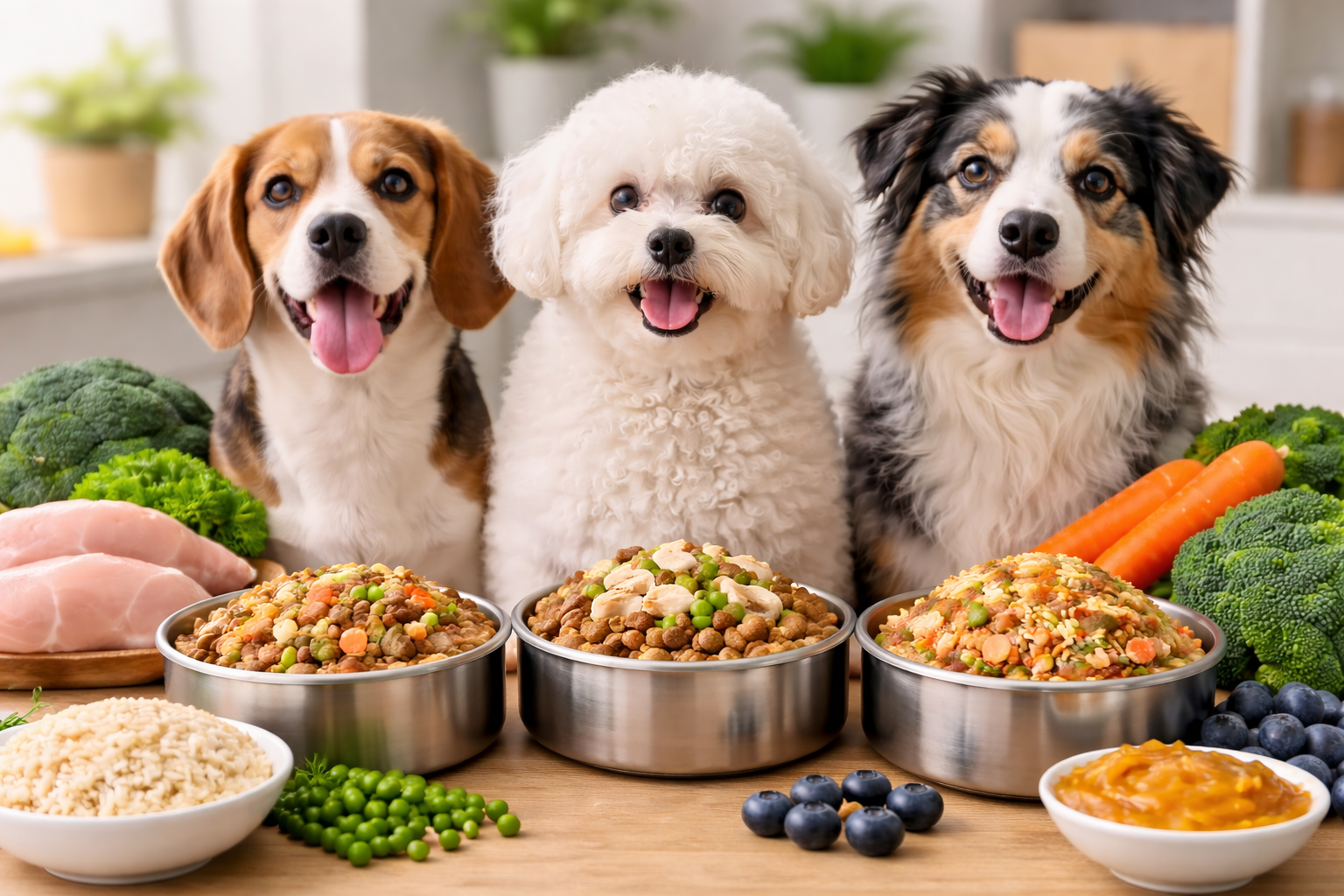
Introduction: What Is the Best Low Fat Dog Food and Why It Matters
The best low fat dog food is specially formulated nutrition designed to help dogs maintain a healthy weight, support digestion, and manage medical conditions that require reduced fat intake. These diets are especially important for dogs dealing with obesity, pancreatitis, digestive sensitivities, or low activity levels. Choosing the right low fat diet can dramatically improve your dog’s energy, comfort, and long-term health. If you regularly research dog nutrition and wellness, you’ll find helpful educational resources and feeding guides on Pet Care Fables that explain how diet directly impacts a dog’s quality of life.
With years of experience studying canine nutrition research, reviewing veterinary feeding protocols, and analyzing real-life results shared by dog owners, I’ve seen how switching to the best low fat dog food often leads to noticeable improvements—better digestion, easier weight control, fewer flare-ups of gastrointestinal issues, and improved mobility in overweight dogs.
This in-depth guide explains what low fat dog food really is, who needs it, how to choose the right formula, common mistakes to avoid, and expert-backed tips to help your dog thrive.
What Is Low Fat Dog Food?
Low fat dog food is formulated with reduced fat content compared to standard dog food while still providing complete and balanced nutrition. While regular dog food may contain 15–20% fat (dry matter), low fat dog food typically contains under 10–12% fat, depending on the formula.
These diets focus on:
- Lean protein sources
- Controlled calorie intake
- Easily digestible carbohydrates
- Added vitamins and minerals to compensate for reduced fat
Low fat does not mean low quality. In fact, the best low fat dog food is often more carefully formulated than regular diets.
Dogs That Benefit Most from Low Fat Dog Food
1. Overweight or Obese Dogs
Excess weight puts strain on joints, heart, and internal organs.
Low fat food helps by:
- Reducing calorie intake
- Supporting gradual, safe weight loss
- Maintaining lean muscle mass
2. Dogs with Pancreatitis
Pancreatitis is one of the most common medical reasons veterinarians recommend low fat diets.
Why fat matters:
- High-fat meals trigger pancreatic inflammation
- Low fat diets reduce flare-ups and pain
From experience-based case studies, dogs with chronic pancreatitis often show dramatic improvement within weeks of dietary change.
3. Dogs with Digestive Sensitivities
Some dogs struggle to digest fatty foods.
Low fat dog food can help reduce:
- Diarrhea
- Vomiting
- Gas
- Abdominal discomfort
4. Senior and Low-Activity Dogs
As dogs age, their metabolism slows.
Low fat diets help seniors:
- Maintain healthy weight
- Reduce joint stress
- Support heart health
Key Nutritional Components of the Best Low Fat Dog Food
1. Lean, High-Quality Protein
Protein is essential—even in low fat diets.
Best protein sources include:
- Chicken breast
- Turkey
- White fish
- Lean lamb
Protein supports:
- Muscle maintenance
- Immune function
- Satiety (dogs feel full longer)
2. Controlled Fat Levels (Not Fat-Free)
Dogs still need fat for:
- Vitamin absorption
- Skin and coat health
- Hormone production
The best low fat dog food uses small amounts of high-quality fats, such as:
- Fish oil
- Chicken fat (in controlled quantities)
3. Easily Digestible Carbohydrates
Carbohydrates provide energy without excess fat.
Good options include:
- Brown rice
- Oats
- Sweet potatoes
- Barley
These help stabilize blood sugar and support digestion.
4. Fiber for Weight Management and Gut Health
Fiber plays a major role in low fat diets by:
- Improving digestion
- Promoting fullness
- Supporting healthy bowel movements
Common fiber sources:
- Beet pulp
- Pumpkin
- Chicory root
5. Added Vitamins and Minerals
Reducing fat can lower absorption of fat-soluble vitamins, so quality low fat dog food includes:
- Vitamin A
- Vitamin D
- Vitamin E
- Zinc and selenium
Dry vs Wet Low Fat Dog Food
Dry Low Fat Dog Food
Pros:
- Easier portion control
- Supports dental health
- More affordable
- Longer shelf life
Wet Low Fat Dog Food
Pros:
- Higher moisture content
- Easier to digest
- More palatable for picky eaters
Expert tip: Many dogs do best on a mixed feeding approach, combining low fat kibble with a small amount of wet food.
Grain-Free vs Grain-Inclusive Low Fat Dog Food
Grain-free does not automatically mean healthier.
In low fat diets, grain-inclusive formulas often work better because:
- Whole grains are easier to digest
- They provide steady energy
- They help avoid unnecessary fat replacements
Focus on ingredient quality rather than marketing labels.
Common Challenges Dog Owners Face with Low Fat Diets
Challenge 1: Dog Seems Hungry All the Time
Solution:
- Choose higher-protein, higher-fiber formulas
- Split meals into 2–3 servings per day
Challenge 2: Sudden Weight Loss or Low Energy
Solution:
- Ensure calories are not too low
- Confirm diet is “complete and balanced”
- Consult a veterinarian for adjustments
Challenge 3: Transition Digestive Upset
Solution:
- Transition slowly over 7–10 days
- Mix increasing amounts of new food daily
How Much Low Fat Dog Food Should You Feed?
Portion size depends on:
- Dog’s weight
- Activity level
- Health condition
- Calorie content of food
General guideline:
- Small dogs: ¾–1½ cups daily
- Medium dogs: 1½–2½ cups daily
- Large dogs: 2½–4 cups daily
Always follow feeding charts and veterinary advice.
Is Low Fat Dog Food Safe for Long-Term Use?
Yes—when properly formulated.
Veterinary-backed low fat dog foods are designed for:
- Long-term feeding
- Nutritional completeness
- Ongoing weight and digestive management
Dogs should not remain on extremely low fat diets without medical supervision.
How to Transition Your Dog to Low Fat Dog Food Safely
Switching to the best low fat dog food should always be done gradually to avoid digestive upset. Sudden diet changes can cause diarrhea, vomiting, or refusal to eat—especially in dogs with sensitive stomachs or health conditions.
Step-by-Step Transition Plan
-
Days 1–2: Mix 25% low fat dog food with 75% current food
-
Days 3–4: Mix 50% low fat dog food and 50% current food
-
Days 5–6: Mix 75% low fat dog food and 25% current food
-
Day 7: Fully transition to low fat dog food
During this period, monitor your dog closely. Healthy signs include normal stools, steady energy levels, and good appetite. If you notice persistent digestive issues, slow the transition or consult your veterinarian.
Homemade vs Commercial Low Fat Dog Food: Which Is Better?
Many pet owners wonder whether homemade meals are better than store-bought low fat dog food. Both options can work—but each has pros and cons.
Homemade Low Fat Dog Food
Pros:
-
Full control over ingredients
-
Ideal for dogs with allergies
-
Fresh and minimally processed
Cons:
-
Risk of nutritional imbalance
-
Time-consuming
-
Requires vet or canine nutritionist guidance
Common low-fat homemade ingredients include boiled chicken breast, turkey, white rice, pumpkin, carrots, and green beans.
Commercial Low Fat Dog Food
Pros:
-
Balanced and AAFCO-approved
-
Convenient and consistent
-
Designed for specific health needs
Cons:
-
Quality varies by brand
-
Some contain fillers
For most dog owners, high-quality commercial low fat dog food is safer and more reliable, especially for long-term feeding.
Feeding Guidelines and Portion Control
Even the best low fat dog food won’t help if overfed. Portion control is essential, particularly for overweight dogs or those with pancreatitis.
Practical Feeding Tips:
-
Measure every meal—don’t guess
-
Divide daily food into 2–3 smaller meals
-
Avoid high-fat treats and table scraps
-
Use low-calorie treats like cucumber, apple slices (no seeds), or carrots
Weight loss should be gradual. Rapid weight loss can be harmful and stressful for dogs.
Signs the Low Fat Diet Is Working
When the right low fat dog food is chosen and fed properly, improvements are often noticeable within weeks.
Positive signs include:
-
Improved digestion
-
Reduced bloating or gas
-
Healthier weight
-
Better mobility and energy
-
Shinier coat and clearer skin
If symptoms worsen or don’t improve after 6–8 weeks, it may be time to reassess the formula or consult a vet.
Final Expert Tip from Experience
From years of observing dogs on low fat diets, one key lesson stands out: consistency matters more than perfection. Sticking to the right food, proper portions, and regular feeding times produces better long-term results than frequent changes.
Every dog is unique—what works for one may not work for another. Patience, observation, and informed choices are the real keys to success.
Trusted External Authority Source
For evidence-based canine nutrition standards and feeding guidance, refer to the American Kennel Club (AKC):
https://www.akc.org
The AKC provides veterinarian-reviewed resources on dog diet, weight management, and special nutritional needs.
Conclusion: Choosing the Best Low Fat Dog Food for Your Dog
Choosing the best low fat dog food can be life-changing for dogs struggling with weight, digestion, or fat-related health conditions. When done correctly, a low fat diet supports healthy weight loss, reduces digestive stress, and improves overall vitality.
Focus on:
- Lean, high-quality protein
- Controlled (not eliminated) fats
- Digestible carbohydrates
- Fiber and complete micronutrients
If you want more nutrition guides, feeding tips, or condition-specific dog care advice, explore trusted resources or seek personalized support to ensure your dog gets the best possible care.
