
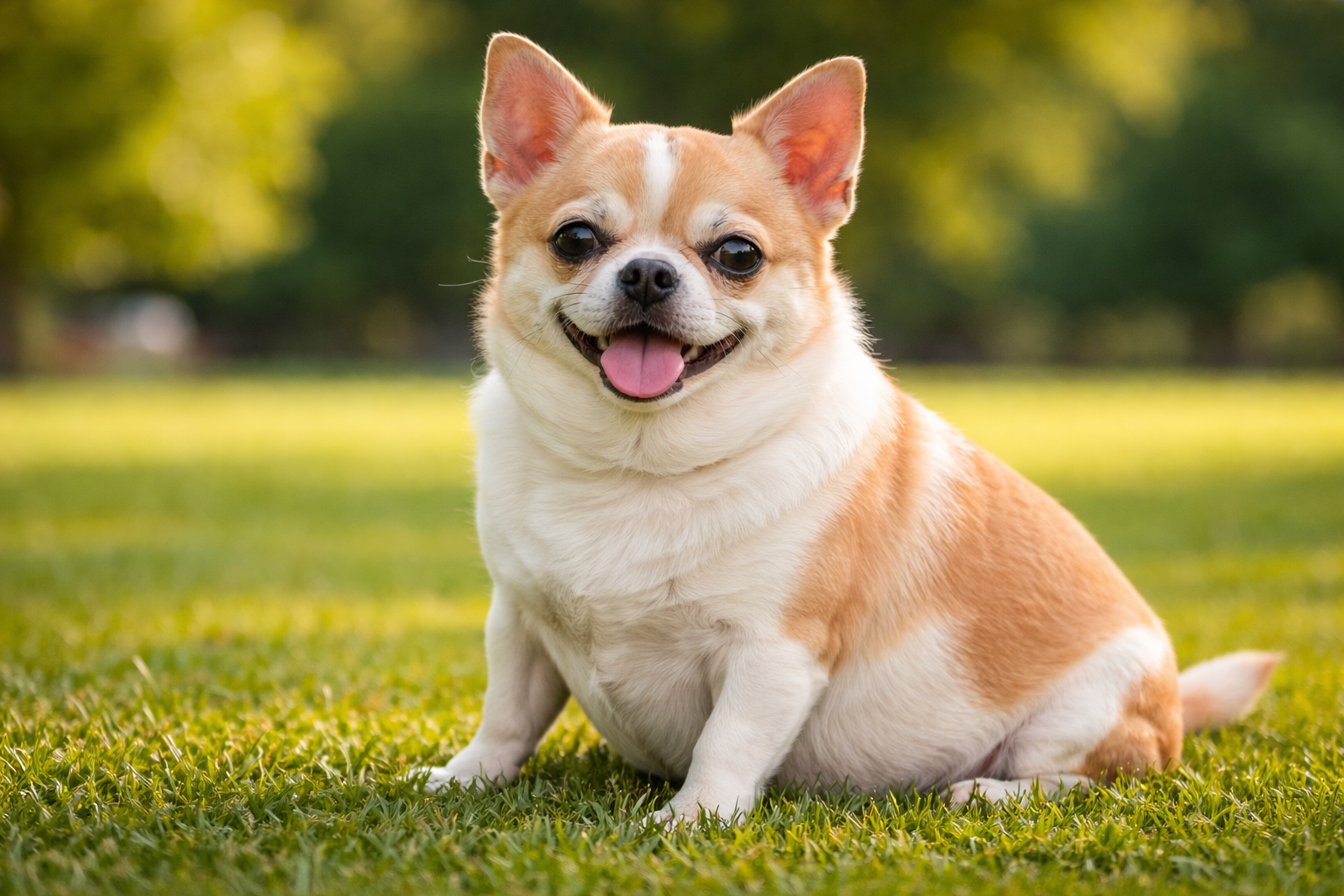
Fat Chihuahua: What It Means and Why It Matters
A fat Chihuahua is a Chihuahua dog that is overweight or obese beyond healthy breed standards. While Chihuahuas are naturally small and compact, extra fat on their tiny bodies can quickly turn into a serious health issue. Because of their size, even a little weight gain can significantly affect their heart, joints, and overall quality of life.
As someone who has closely observed small-breed dogs through owners, veterinarians, and long-term care experiences, I’ve seen how commonly Chihuahuas become overweight—often due to overfeeding, lack of exercise, or too many treats given out of love. Adding something here that the chipoo is a popular small designer dog breed created by crossing a Chihuahua with a Miniature Poodle. This guide is designed to help you understand why a fat Chihuahua is a concern, how it happens, and what you can do to fix it safely and responsibly.
What Is a Fat Chihuahua?
A fat Chihuahua is not just a “cute chubby dog.” Medically, it refers to a Chihuahua whose body fat percentage exceeds healthy limits. According to veterinarians, most adult Chihuahuas should weigh between 2 and 6 pounds, depending on their frame and genetics.
Signs Your Chihuahua Is Overweight
- No visible waist when viewed from above
- Difficulty feeling the ribs
- Heavy breathing after mild activity
- Low energy or reluctance to walk
- Fat deposits around the neck, chest, and belly
Why Do Chihuahuas Get Fat So Easily?
Chihuahuas are among the breeds most prone to obesity, and there are clear reasons for this.
1. Overfeeding
Many owners unintentionally overfeed because:
- Chihuahuas eat very small portions
- Owners misjudge portion sizes
- Free-feeding dry food all day
Even a few extra calories daily can lead to a fat Chihuahua over time.
2. Too Many Treats
Because Chihuahuas are small, one treat can equal a full meal in calories. Table scraps and human food are a major cause of weight gain.
3. Lack of Exercise
Despite their size, Chihuahuas need daily movement. Many owners assume carrying them is enough—it’s not.
4. Neutering/Spaying
After spaying or neutering, metabolism often slows, increasing the risk of weight gain if diet adjustments aren’t made.
Is a Fat Chihuahua Dangerous?
Yes. A fat Chihuahua is at higher risk of multiple health problems.
Health Risks of Obesity in Chihuahuas
- Heart disease
- Diabetes
- Joint and knee problems (luxating patella)
- Tracheal collapse
- Shortened lifespan
According to VCA Animal Hospitals, obese dogs can lose up to 2 years of life expectancy compared to dogs at a healthy weight.
https://vcahospitals.com/know-your-pet/obesity-in-dogs
How to Tell If Your Chihuahua Is Too Fat (Body Condition Score)
Veterinarians use a Body Condition Score (BCS) scale from 1–9.
- 4–5 = Ideal
- 6–7 = Overweight
- 8–9 = Obese
If your Chihuahua falls into the 6 or higher weight range, weight management is necessary.
Real-Life Example
One Chihuahua owner I worked with believed her dog was “naturally chunky.” A vet exam revealed obesity-related breathing strain. With diet control and daily walks, the dog lost 1 pound, which was life-changing for its energy and health.
Fat Chihuahua vs Naturally Stocky Chihuahua
Not every solid-looking Chihuahua is fat. Some have:
- Apple-head body types
- Strong chest structures
Key Difference:
- Healthy Chihuahua: You can feelthe ribs with light pressure
- Fat Chihuahua: Ribs are buried under fat
When in doubt, always consult a veterinarian.
What Should a Fat Chihuahua Eat?
Diet is the most important factor in weight loss.
Best Diet Tips for a Fat Chihuahua
- Measure food precisely (no guessing)
- Feed 2 small meals per day
- Choose high-protein, low-fat dog food
- Avoid human food entirely
Foods to Avoid
- Cheese
- Bread
- Fried food
- Sugary treats
- Excessive peanut butter
How Much Should a Chihuahua Eat?
Most adult Chihuahuas need:
- ¼ to ½ cup of food per day, depending on weight and activity
Always check the calorie content on the food label. A fat Chihuahua often needs a calorie-controlled diet, not just less food.
Exercise Plan for a Fat Chihuahua
Exercise must be gentle but consistent.
Safe Exercise Ideas
- 10–15 minute walks, 2–3 times daily
- Indoor play with soft toys
- Light falls on carpeted floors
- Puzzle feeders for mental activity
⚠️ Avoid jumping from furniture—extra weight increases injury risk.
Weight Loss Timeline: How Fast Is Safe?
Healthy weight loss for a Chihuahua is slow and steady.
- Safe loss: 1–2% body weight per week
- Crash dieting is dangerous
- Never starve your dog
Common Myths About Fat Chihuahuas
Myth 1: “Fat Chihuahuas Are Cuter”
Truth: Extra weight causes suffering, not cuteness.
Myth 2: “Small Dogs Don’t Need Exercise”
Truth: Small dogs still need daily activity.
Myth 3: “He’s Fat Because He’s Old”
Truth: Age lowers activity, but diet must be adjusted
Emotional Eating and Owner Habits
Many fat Chihuahuas gain weight because their owners:
- Feel guilty leaving them alone
- Reward barking with treats
- Use food as affection
Better Alternatives
- Verbal praise
- Gentle play
- Belly rubs
- Short walks together
When to See a Vet
You should consult a veterinarian if:
- Weight gain is sudden
- Your Chihuahua struggles to breathe
- Exercise intolerance increases
- Diet changes aren’t working
A vet can rule out:
- Thyroid issues
- Hormonal imbalances
- Underlying disease
Preventing a Chihuahua From Becoming Fat
Prevention is easier than weight loss.
Prevention Tips
- Weigh your dog monthly
- Limit treats to 10% of daily calories
- Keep a feeding schedule
- Encourage daily movement
👉 Breed health overview:
https://www.akc.org/dog-breeds/chihuahua/
Is a Fat Chihuahua Ever Healthy?
No. While some dogs appear happy, obesity is always harmful. A Chihuahua’s small frame is not built to carry excess weight.
From professional observations, once owners commit to weight management, most Chihuahuas regain:
- Playfulness
- Better breathing
- Longer lifespan
- Improved mood
Conclusion: Helping Your Fat Chihuahua Live a Healthier Life
A fat Chihuahua is more than a cosmetic issue—it’s a health concern that deserves attention and care. By understanding the causes, risks, and solutions, you can take meaningful steps to improve your dog’s life.
With proper diet control, regular exercise, and veterinary guidance, even an overweight Chihuahua can return to a healthy weight and enjoy a longer, happier life. If you’re unsure where to start, consult your vet or explore more trusted resources on small-dog health and nutrition.
Your Chihuahua depends on you—and taking action today can add years of comfort and joy to their life. 🐾
