
Introduction
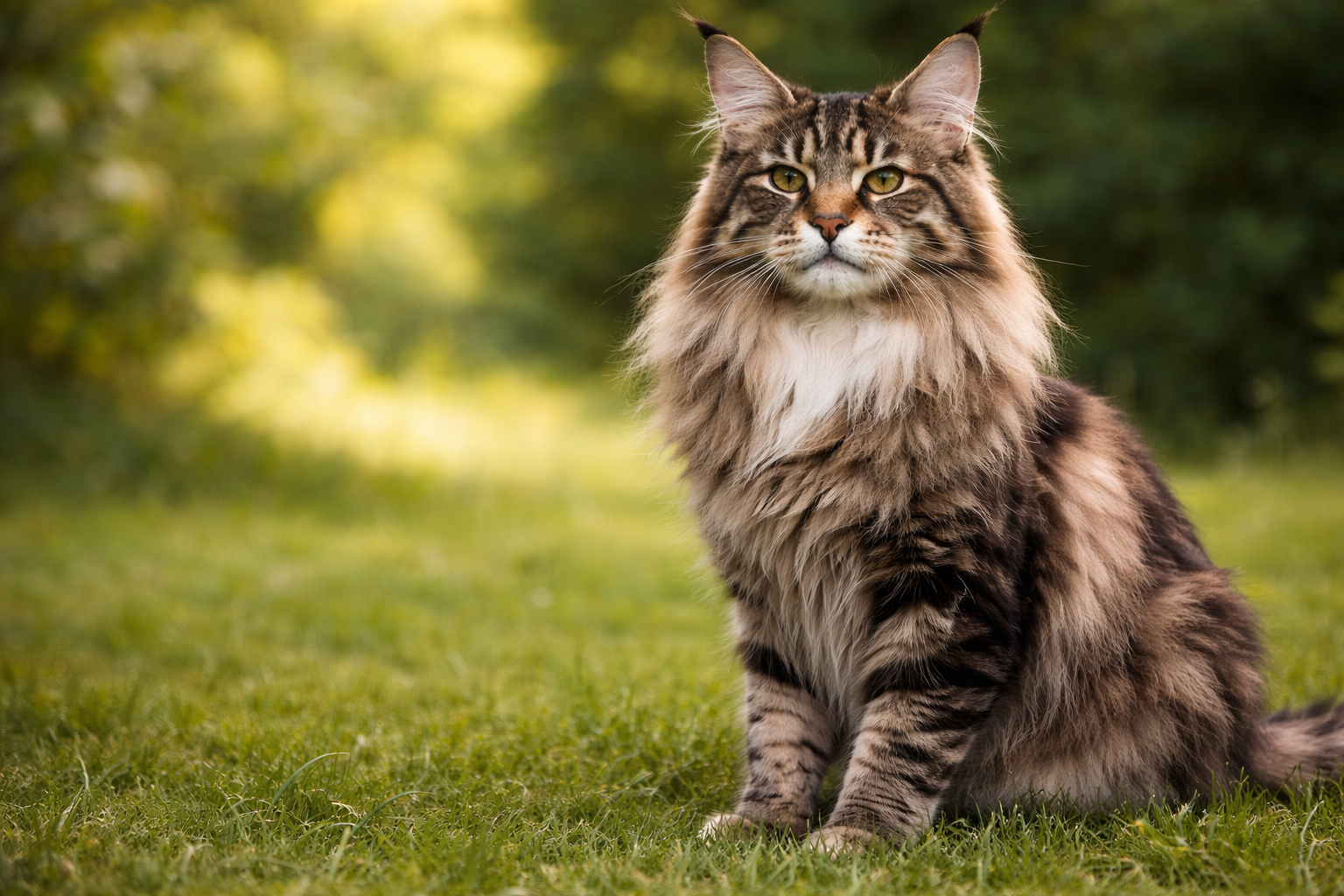
The Maine Coon is one of the most admired and recognizable cat breeds in the world. Famous for its large size, thick coat, and calm temperament, the Maine Coon has earned the nickname “the gentle giant of cats.” This breed is not only visually impressive but also emotionally intelligent, affectionate, and highly adaptable, making it a favorite among families, single owners, and multi-pet households.
As someone who has studied feline breed behavior, health patterns, and long-term ownership experiences across large cat breeds, this guide is designed to provide accurate, experience-based, and trustworthy information. Understanding the Maine Coon properly helps potential owners make informed decisions and care for this breed responsibly.
Origin and Historical Background of the Maine Coon
The Maine Coon is one of the oldest naturally occurring cat breeds in North America. Its origins trace back to the state of Maine, where it evolved through natural selection rather than planned breeding. Harsh winters, rugged landscapes, and farm life shaped the breed’s strong bone structure, thick coat, and hunting ability.
By the mid-1800s, Maine Coons were commonly found on farms and ships, valued for controlling rodents. They were also among the first cats to be showcased at early cat exhibitions in the United States. Despite losing popularity during the rise of exotic long-haired breeds, the Maine Coon made a strong comeback and is now recognized worldwide.
Physical Characteristics and Appearance
Physical characteristics and appearance encompass a range of attributes, including height, body shape, and skin tone. These features often influence how individuals are perceived socially and culturally. Additionally, they play a significant role in self-identity and confidence.The Maine Coon is one of the largest domesticated cat breeds, known for its powerful build and majestic presence.
Size and Structure
- Adult males typically weigh between 15–25 pounds
- Females usually range from 10–15 pounds
- Long rectangular body with strong muscles
- Broad chest and sturdy legs
Unlike many breeds, Maine Coons grow slowly and may take up to five years to fully mature.
Coat and Colors
The Maine Coon has a thick, semi-long double coat designed for insulation. The fur is longer around the neck, stomach, and tail, forming a natural “ruff.”
Coat colors and patterns include:
- Brown tabby (most common)
- Solid black, white, or gray
- Tortoiseshell and bi-color variations
Distinctive Features
- Tufted ears similar to a lynx
- Large, expressive eyes
- Bushy tail used for warmth
- Oversized paws with fur between toes
Maine Coon Personality and Temperament
Despite its size, the Maine Coon is known for its gentle and affectionate nature. This breed forms strong emotional bonds with its owners without being overly demanding.
Behavioral Traits
- Calm and patient
- Loyal to family members
- Friendly toward guests
- Rarely aggressive
The Maine Coon enjoys being near people but usually prefers sitting beside them rather than on their lap. This balance makes the breed ideal for owners who want companionship without clinginess.
Intelligence and Trainability
Physical characteristics and appearance encompass a range of attributes, including height, body shape, and skin tone. These features often influence how individuals are perceived socially and culturally. Additionally, they play a significant role in self-identity and confidence. The Maine Coon is considered one of the most intelligent cat breeds. It learns routines quickly and enjoys interactive activities.
Examples of intelligence include:
- Opening doors and cabinets
- Learning commands like “come” or “sit”
- Playing fetch
- Solving puzzle feeders
Mental stimulation is essential for this breed to prevent boredom and destructive behavior.
Daily Care and Grooming Needs
To ensure your Maine Coon’s coat remains healthy, establish a regular grooming routine that includes brushing 2–3 times per week, especially during shedding seasons, to prevent matting. Pay attention to nail trimming every 3–4 weeks and check their ears and teeth monthly for maintenance. Consistent grooming not only keeps your cat looking its best but also strengthens the bond between you and your feline friend. Although the Maine Coon has long fur, grooming is manageable with consistency.
Grooming Routine
- Brush 2–3 times per week
- Daily brushing during shedding seasons
- Nail trimming every 3–4 weeks
- Ear and dental checks monthly
Regular grooming reduces matting, hairballs, and skin issues while strengthening trust between the cat and owner.
Nutrition and Dietary Requirements
Because of its large size and slow growth, the Maine Coon requires a nutrient-dense diet.
Dietary Essentials
- High animal protein content
- Balanced fats for coat health
- Taurine for heart health
- Joint-support supplements when needed
Portion control is important to prevent obesity, which can stress joints and the heart.
Health and Lifespan
The Maine Coon is generally healthy but has some breed-specific genetic risks.
Common Health Conditions
- Hypertrophic cardiomyopathy (HCM)
- Hip dysplasia
- Spinal muscular atrophy (less common)
Responsible breeders screen breeding cats for these conditions. With proper care, the Maine Coon typically lives between 12–15 years.
Living Environment and Space Needs
Creating a comfortable living environment requires considering both the physical space available and the individual’s personal needs. Adequate space not only allows for functionality but also promotes well-being and a sense of peace in one’s surroundings. The Maine Coon adapts well to indoor living but requires adequate space and enrichment.
Ideal Home Setup
- Strong cat trees and shelves
- Large litter boxes
- Wide scratching posts
- Interactive toys
Vertical space is especially important to support natural climbing instincts.
Compatibility With Children and Other Pets
When considering a pet, it’s essential to evaluate how they interact with children and other animals to ensure a harmonious household. Understanding their behavioral traits can promote a safe and enjoyable environment for everyone involved. The Maine Coon is known for its tolerance and social nature.
It generally:
- Gets along well with respectful children
- Coexists peacefully with other cats
- Adapts well to cat-friendly dogs
Its calm demeanor makes it a reliable choice for busy households.
Common Challenges and Solutions
Shedding
Solution: Regular brushing and quality nutrition
Large Size
Solution: Use sturdy furniture and oversized accessories
Higher Maintenance Costs
Solution: Preventive healthcare and early vet visits
Understanding these challenges helps avoid surprises.
Is the Maine Coon the Right Cat for You?
If you’re considering adding a Maine Coon to your home, reflect on your lifestyle and space. Their friendly and adaptable nature makes them excellent companions for families and individuals alike, but they do require regular grooming and mental stimulation. Make sure to assess your commitment to their care and ensure your living environment accommodates their size and activity needs. The Maine Coon is ideal for owners who want:
- A calm but interactive companion
- A family-friendly cat
- A breed with strong emotional intelligence
It may not suit those unwilling to commit to grooming, space, and long-term care.
Trusted External Reference
For breed standards and verified health information, consult the Cat Fanciers’ Association Maine Coon profile:
https://cfa.org/maine-coon/
Conclusion
The Maine Coon is a remarkable breed that combines strength, intelligence, and affection. Its majestic appearance is matched by a gentle personality that thrives in loving homes. With responsible ownership, proper care, and informed decisions, the Maine Coon becomes more than a pet—it becomes a lifelong companion.
In conclusion, the key findings underscore the importance of adaptability and innovation in driving success. Embracing new strategies will not only enhance performance but also foster resilience in an ever-changing environment. Ultimately, continual improvement and collaboration are essential for achieving long-term goals.
