
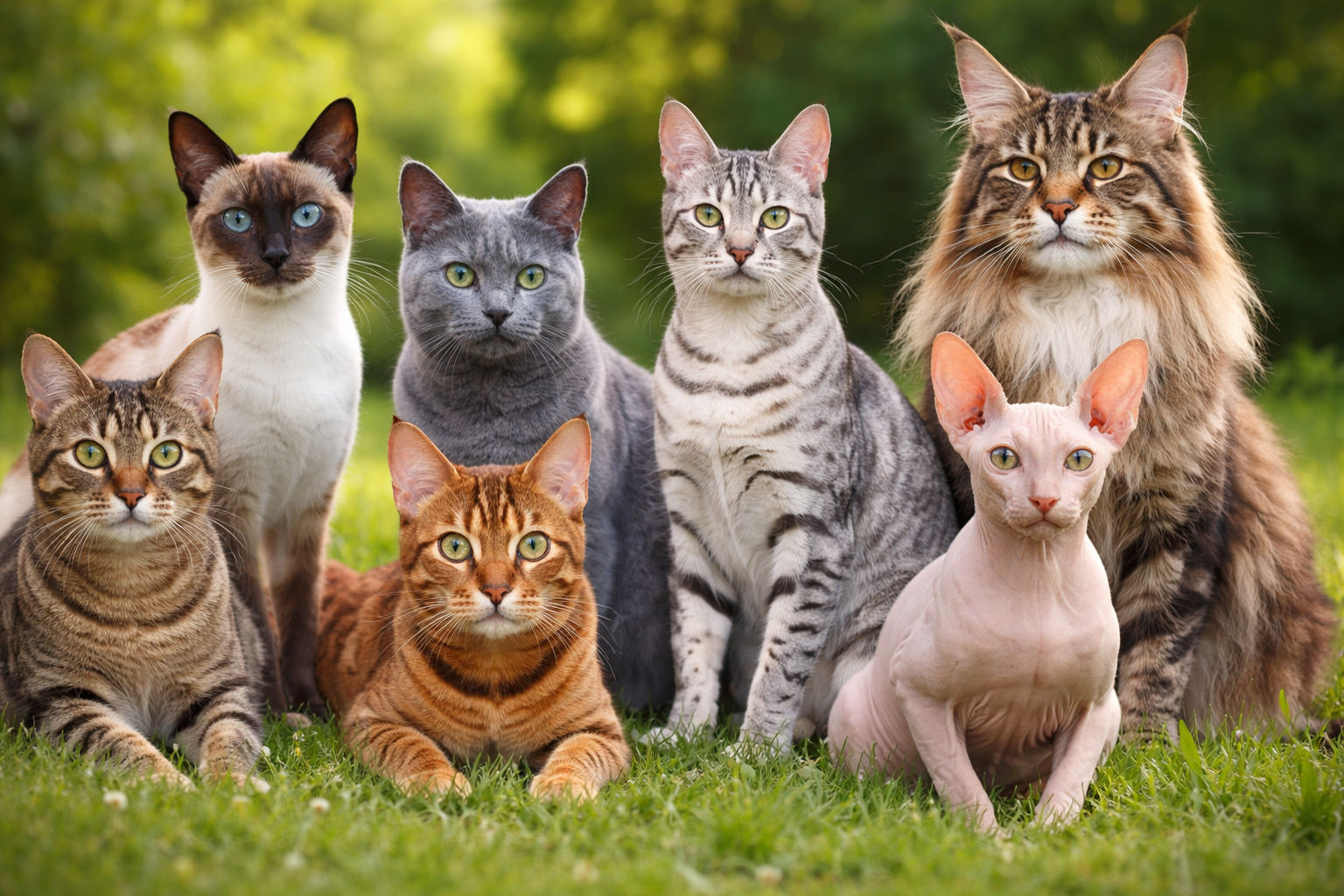
Introduction:
Choosing a cat is not only an emotional decision but also a long-term commitment to health, care, and companionship. Many people ask whether some cats are naturally healthier than others. This is where the topic of healthiest cat breeds becomes important. Understanding which breeds are known for strong genetics, fewer inherited diseases, and longer lifespans can help future cat owners make informed and responsible choices.
As someone who has studied feline health patterns, breed histories, and veterinary research for years—and who has also observed real-life cat ownership experiences—this guide is written to provide accurate, practical, and trustworthy information. The goal is not to promote one breed blindly, but to explain why certain cats are considered healthier and how lifestyle and care still play a major role.
This article explores the healthiest cat breeds, explains the science behind feline health, answers common questions, and offers practical advice to help your cat live a long and happy life.
What Does “Healthiest Cat Breeds” Really Mean?
The term healthiest cat breeds does not mean a cat that never gets sick. Instead, it refers to breeds that:
- Have fewer genetic or hereditary diseases
- They are not overly inbred
- Have strong immune systems
- Tend to live longer than average
- Adapt well to different environments
Veterinarians often observe that cats with natural or mixed genetic backgrounds generally face fewer serious health issues compared to breeds developed for extreme physical traits.
Why Cat Breed Health Matters
Many health problems in cats—such as heart disease, kidney failure, breathing issues, and joint disorders—are linked to genetics. Selecting one of the healthiest cat breeds can:
- Reduce long-term veterinary costs
- Increase your cat’s lifespan
- Improve the quality of life for both the cat and the owner
- Lower emotional stress caused by chronic illness
However, breed alone is not everything. Nutrition, environment, and regular veterinary care remain essential.
Factors That Make a Cat Breed Healthier
Before listing specific breeds, it’s important to understand what contributes to feline health.
1. Genetic Diversity
Breeds with a wide gene pool tend to be healthier. Natural and landrace breeds usually have fewer inherited disorders.
2. Body Structure
Cats bred with extreme features (very flat faces, extremely short legs, or exaggerated body types) often suffer from breathing, mobility, or organ issues.
3. Activity Level
Active cats maintain better muscle tone, heart health, and weight control.
4. Historical Breeding Purpose
Breeds developed naturally for survival often outperform artificially modified breeds in terms of health.
Top Healthiest Cat Breeds
Below are some of the most widely recognized healthiest cat breeds, supported by veterinary observations and long-term studies.
1. Domestic Shorthair
The Domestic Shorthair is often considered the healthiest of all cats.
Why are they healthy:
- Extremely diverse genetics
- Minimal inherited diseases
- Strong immune systems
Average lifespan: 15–20 years
These cats are not a specific breed but a category of mixed ancestry. Many veterinarians report fewer chronic health problems in Domestic Shorthairs compared to purebred cats.
2. Siamese
Siamese cats are one of the oldest and most stable pure breeds.
Health strengths:
- Lean, athletic bodies
- Strong cardiovascular health
- Lower obesity risk
Common concerns:
They may be prone to dental issues, but with regular care, Siamese cats often live long, healthy lives.
Average lifespan: 15–20 years
3. Russian Blue
The Russian Blue is admired for both beauty and health.
Why they rank among the healthiest cat breeds:
- A few known genetic diseases
- Strong immune systems
- Naturally muscular build
Average lifespan: 15–20 years
They are also less prone to allergies, making them suitable for sensitive households.
4. Bengal
Despite their exotic appearance, Bengals are generally healthy when responsibly bred.
Health advantages:
- High activity level supports heart health
- Strong muscles and bone structure
- Low incidence of obesity
Challenges:
They require mental stimulation and space. Without activity, behavioral stress can develop.
Average lifespan: 12–16 years
5. Egyptian Mau
This naturally occurring breed has survived thousands of years with minimal human alteration.
Why are they healthy:
- Natural evolution rather than heavy selective breeding
- Strong cardiovascular systems
- Exceptional agility
Average lifespan: 14–18 years
6. Maine Coon (With Responsible Breeding)
Maine Coons are large cats, and size can sometimes bring health risks. However, well-bred Maine Coons remain among the healthier large breeds.
Strengths:
- Strong immune systems
- Adaptability to cold climates
- Social and stress-resistant temperament
Watch out for:
Hypertrophic cardiomyopathy (HCM) can be minimized with genetic testing.
Average lifespan: 12–15 years
7. Sphynx (Surprisingly Healthy)
Despite their unusual appearance, Sphynx cats are not fragile.
Health positives:
- No fur-related skin infections
- Active metabolism
- Strong social bonding reduces stress
Care requirement:
Regular skin cleaning and warmth management.
Average lifespan: 13–15 years
Common Questions About the Healthiest Cat Breeds
Are mixed-breed cats healthier than purebred cats?
In many cases, yes. Mixed-breed cats often benefit from hybrid vigor, which reduces the risk of inherited diseases.
Do indoor cats live longer?
Yes. Indoor cats avoid traffic accidents, infectious diseases, and predators, significantly increasing lifespan.
Does diet affect breed-related health?
Absolutely. Even the healthiest cat breeds can develop serious health issues if fed poor-quality food.
Challenges People Face When Choosing Healthy Cat Breeds
Misleading Breed Myths
Some people believe expensive or rare breeds are healthier, which is often untrue.
Poor Breeding Practices
Irresponsible breeders increase genetic defects.
Lifestyle Mismatch
A healthy breed may still suffer if the owner cannot meet its activity or mental needs.
Practical Tips to Keep Any Cat Healthy
Regardless of breed, follow these essential practices:
- Feed high-quality, protein-rich food
- Schedule annual veterinary checkups
- Maintain dental hygiene
- Encourage play and exercise
- Keep vaccinations up to date
- Provide mental stimulation
Veterinary nutrition studies published by the American Veterinary Medical Association confirm that preventive care significantly extends feline lifespan.
External reference: https://www.avma.org
Real-Life Experience Insight
In real-world observations across shelters and multi-cat households, cats with moderate body types, high activity levels, and diverse genetics consistently show fewer chronic issues. Owners who combine smart breed selection with proper care report significantly lower veterinary emergencies.
A friend of mine adopted a Domestic Shorthair from a local shelter, and she has enjoyed a remarkably healthy life without any major health issues. In contrast, another friend with a purebred Persian cat has faced ongoing challenges with respiratory problems and dental issues. This experience highlights how mixed-breed cats often benefit from greater genetic diversity, leading to fewer health concerns.
Conclusion: Choosing Health Beyond Breed
Selecting from the healthiest cat breeds is a wise starting point, but true feline health comes from a combination of genetics, responsible ownership, and preventive care. Domestic Shorthairs, Russian Blues, Siamese, and other naturally developed breeds offer excellent health potential, but no cat is immune to neglect or poor lifestyle choices.
In conclusion, selecting from the healthiest cat breeds can significantly enhance your cat’s well-being and lifespan. Understanding the genetic traits and care needs of these breeds empowers responsible pet ownership. Ultimately, a combination of breed knowledge, proper nutrition, and regular veterinary care ensures a long, happy life for your feline companion.
If you’re planning to bring a cat into your life, focus on long-term well-being rather than appearance alone. Continue learning, consult reputable breeders or shelters, and prioritize veterinary guidance. A healthy cat is not just a breed—it’s a commitment.
