
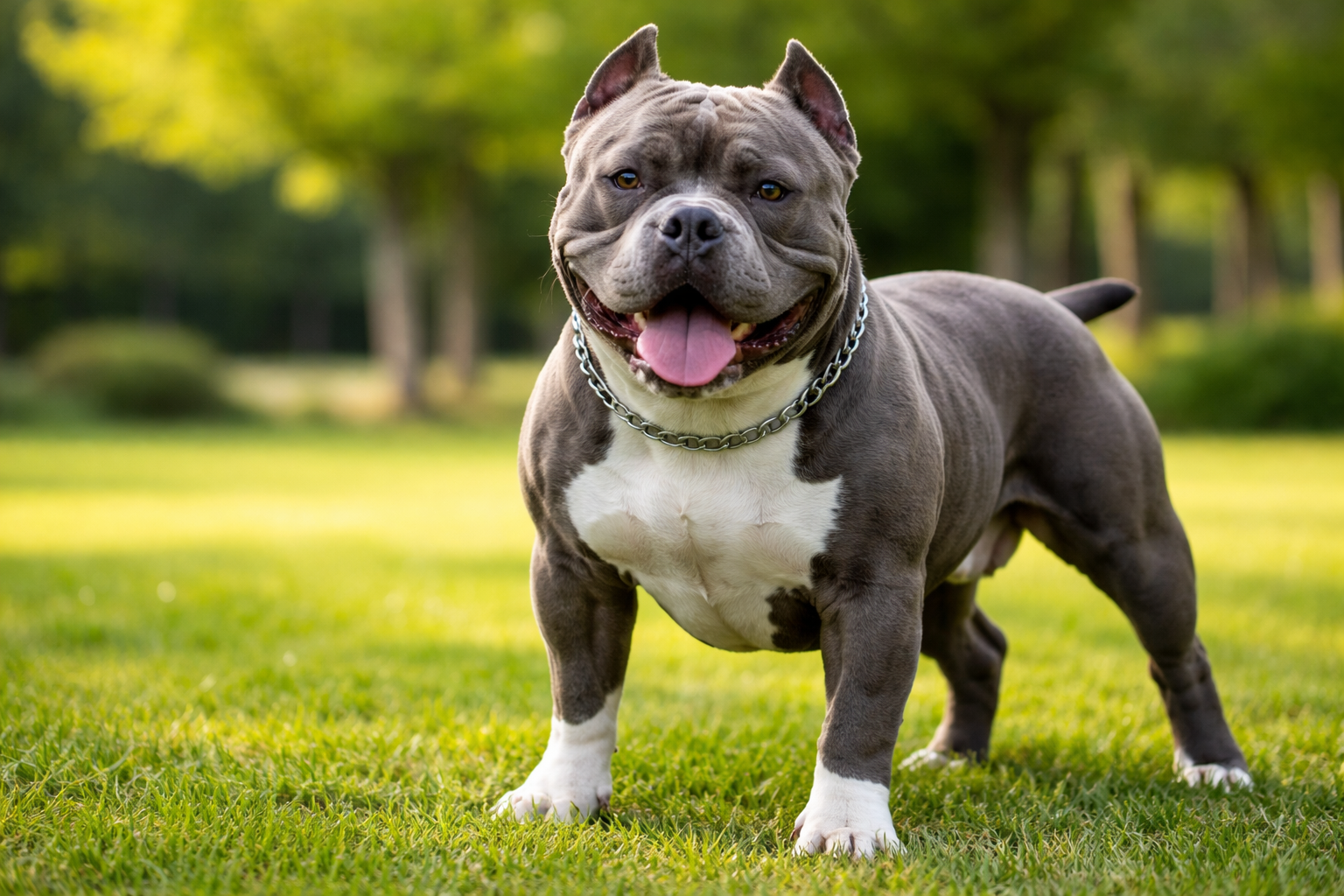
Introduction: What Is an American Bully and Why Does It Matter
The American Bully is a modern companion dog breed known for its muscular build, loyal nature, and surprisingly gentle temperament. Over the last two decades, the American Bully has gained massive popularity among dog lovers who want a confident, family-friendly, and people-oriented dog with a powerful appearance but a loving heart.
As someone who has researched bully breeds extensively, worked with dog owners, breeders, and trainers, and analyzed real-life ownership experiences, I’ve seen how misunderstood the American Bully often is. Many people confuse it with aggressive breeds, while in reality, a well-bred and properly trained one is one of the most affectionate and stable companion dogs.
This guide will help you understand:
- What the American Bully really is
- Its temperament, size, and types
- Training, care, health, and feeding needs
- Common challenges owners face—and how to solve them
Whether you’re planning to adopt, buy, or simply learn more, this article will give you accurate, trustworthy, and experience-based information.
What Is an American Bully?
They are a companion dog breed that originated in the United States in the 1990s. It was developed by selectively breeding American Pit Bull Terriers, American Staffordshire Terriers, and other bully-type dogs to create a stable, family-oriented dog with a muscular appearance.
Unlike working or guard breeds, the American Bully was bred primarily for:
- Companionship
- Temperament stability
- Loyalty and affection toward humans
Is the American Bully the Same as a Pit Bull?
No. This is one of the most common questions.
Although they share ancestry, the American Bully is a distinct breed with different goals:
- Broader chest and heavier bone structure
- Calmer, more people-focused temperament
- Less prey drive than many Pit Bulls
The United Kennel Club (UKC) officially recognized them in 2013.
Types of American Bully
The American Bully comes in four main varieties, all sharing the same temperament but differing in size and structure.
1. Standard American Bully
- Balanced build
- Medium size
- Most commonly seen type
2. Pocket American Bully
- Shorter height but same muscular body
- Popular for people living in apartments
3. Classic American Bully
- Lighter bone structure
- Closer to Pit Bull appearance
4. XL American Bully
- Taller and heavier
- Requires experienced ownership
👉 Temperament is the same across all types when bred responsibly.
American Bully Temperament and Personality
Despite their intimidating look, the American Bully temperament is affectionate, loyal, and gentle.
Key Personality Traits
- Extremely people-oriented
- Loves children and families
- Confident but not aggressive
- Social and playful
- Thrives on human attention
From real-life owner experiences, American Bullies often:
- Follow their owners from room to room
- Become emotionally attached to family members
- Dislike being left alone for long periods
This breed is not naturally aggressive. Behavioral problems usually come from:
- Poor breeding
- Lack of socialization
- Neglect or harsh training methods
Is the American Bully Good for Families?
Yes—when responsibly bred and trained.
American Bully With Children
- Very tolerant and patient
- Strong but gentle play style
- Should always be supervised due to size
American Bully With Other Pets
- Can live with other dogs if socialized early
- May chase small animals if not trained
Tip from experience:
Early socialization (8–16 weeks) makes a huge difference in adult behavior.
Training an American Bully: Practical Tips
The American Bully is intelligent and eager to please, making training easier than many people expect.
Best Training Approach
- Positive reinforcement (treats, praise)
- Short, consistent sessions
- Calm leadership, not dominance
Basic Training Commands to Start With
- Sit
- Stay
- Come
- Leave it
- Leash walking
Common Training Challenges
Problem: Pulling on the leash
Solution: Front-clip harness + reward calm walking
Problem: Jumping on people
Solution: Ignore jumping, reward calm greetings
Problem: Separation anxiety
Solution: Crate training + gradual alone time
Exercise Needs for them
Despite their muscular build, American Bullies are moderately active dogs.
Daily Exercise Requirements
- 30–60 minutes per day
- Walks, light jogging, play sessions
- Mental stimulation is equally important
Activities They Enjoy
- Tug games
- Short fetch sessions
- Obedience games
- Interactive toys
⚠️ Avoid over-exercising puppies to protect their joints.
Their Diet and Nutrition
Proper nutrition is critical for muscle development and overall health.
Best Diet Options
- High-quality commercial dog food
- Protein-rich (but not excessive)
- Balanced calcium and phosphorus
Feeding Tips From Experience
- Split meals into 2 portions daily
- Avoid cheap fillers (corn, soy, wheat)
- Add omega-3s for skin and coat health
📌 From experience: Most dogs balanced homemade diets often have shinier coats and better digestion—but only when recipes are done right. Our dogs have a sensitive stomach, and a sensitive stomach can be temporary (diet change, stress) or chronic (food intolerance, allergies, GI disorders). You should always feed your dogs fresh food.
👉 Learn more about dog nutrition from a trusted source:
https://www.akc.org/expert-advice/nutrition/
Common Health Issues in American Bullies
Like all breeds, they can face health problems—especially if poorly bred.
Common Health Concerns
- Hip dysplasia
- Elbow dysplasia
- Skin allergies
- Brachycephalic breathing issues (in extreme types)
- Heart conditions
How to Reduce Health Risks
- Buy from ethical breeders
- Avoid exaggerated body features
- Regular vet checkups
- Maintain a healthy weight
Grooming and Maintenance
They have a short, low-maintenance coat.
Grooming Routine
- Brush once a week
- Bathe every 4–6 weeks
- Clean ears weekly
- Trim nails regularly
Skin Care Tip
Many of them have sensitive skin. Use:
- Hypoallergenic shampoos
- Grain-free diets if allergies appear
Are they aggressive?
This is a myth, not a fact.
Scientific and behavioral studies show:
- Aggression is not breed-specific
- Environment and training matter more than genetics
According to the American Veterinary Society of Animal Behavior, responsible ownership is the key factor in dog behavior.
Legal and Insurance Considerations
Some regions have breed-specific legislation (BSL) affecting bully-type dogs.
What You Should Do
- Check local laws before adopting
- Get proper insurance if required
- Register and microchip your dog
American Bully Ownership: Pros and Cons
Pros
✔ Loyal and loving
✔ Great family dog
✔ Easy to train
✔ Low grooming needs
Cons
✖ Misjudged by society
✖ Needs socialization
✖ Health issues if poorly bred
Conclusion: Are they right for you?
They are a powerful yet affectionate companion that thrives in loving, responsible homes. When bred ethically, trained with kindness, and cared for properly, this breed becomes one of the most loyal and family-friendly dogs you can own.
If you’re considering them a:
- Research breeders carefully
- Commit to training and socialization
- Be a responsible ambassador for the breed
👉 Want more expert dog care guides or personalized advice?
Explore our related articles or contact us for professional guidance on choosing and raising the right dog for your lifestyle.
