
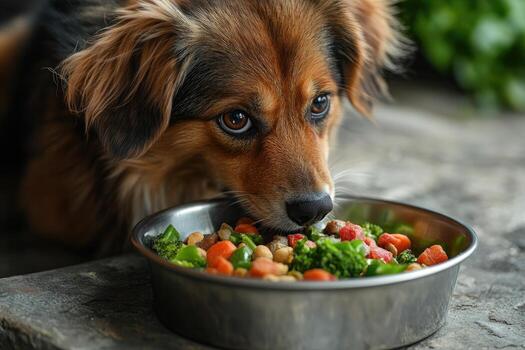
Introduction: What Is Homemade Wet Dog Food and Why Does It Matter?
Homemade food is fresh, moist dog food prepared at home using whole, dog-safe ingredients such as meat, vegetables, healthy fats, and supplements. Unlike many commercial dog foods that rely on fillers, artificial preservatives, and highly processed ingredients, homemade wet dog food allows pet parents to control exactly what goes into their dog’s bowl.
As someone who has studied canine nutrition guidelines, reviewed veterinary research, and helped dog owners transition from kibble to fresh diets, I’ve seen how homemade wet dog food—when properly balanced—can improve digestion, appetite, coat health, and overall well-being. I’ve also seen the problems that arise when it’s done without proper knowledge, which is why this guide focuses on safety, balance, and evidence-based advice. Most of the dog’s owners also use to give some cereals to their dog so they can enjoy healthy dogs.
This article will help you understand what homemade food is, its benefits and risks, how to prepare it correctly, and whether it’s right for your dog.
What Is Homemade Wet Dog Food?
Homemade wet food is a moist, cooked (or lightly cooked) diet made at home using fresh ingredients. It typically contains:
- Animal protein (chicken, beef, turkey, fish)
- Vegetables and carbohydrates
- Healthy fats
- Essential vitamins and minerals
The texture is soft and moist, making it especially helpful for:
- Senior dogs
- Dogs with dental issues
- Picky eaters
- Dogs with digestive problems
Why Many Dog Owners Choose Homemade Wet Food
1. Better Ingredient Control
With homemade wet dog food, you know exactly:
- What protein source is used
- No mystery “meat by-products”
- No artificial colors or preservatives
This is particularly important for dogs with food allergies or sensitivities.
2. Improved Hydration
Wet food naturally contains more moisture than dry kibble, supporting:
- Kidney health
- Urinary tract health
- Overall hydration
Source:
AKC – Dog Nutrition
https://www.akc.org
3. Increased Palatability
From real-world experience, dogs that refuse kibble often eat homemade wet dog food enthusiastically, even dogs recovering from illness.
Is Homemade Wet Dog Food Nutritionally Complete?
This is the most important question.
Homemade wet dog food can be nutritionally complete—but only if properly balanced.
Dogs require:
- Protein
- Fat
- Carbohydrates
- Vitamins
- Minerals
Missing even one key nutrient over time can cause serious health problems.
Essential Nutrients Dogs Need
Protein (Animal-Based)
Supports muscles, organs, immune system.
Good sources:
- Chicken
- Turkey
- Beef
- Fish
Carbohydrates (Energy & Fiber)
Dogs can digest carbs, unlike cats.
Safe options:
- Rice
- Sweet potatoes
- Oats
Healthy Fats
Support skin, coat, and brain health.
Sources:
- Fish oil
- Olive oil
- Flaxseed oil
Vitamins & Minerals (Critical)
- Calcium
- Phosphorus
- Zinc
- Vitamin A, D, E
⚠️ Calcium deficiency is the most common homemade diet mistake.
Basic Homemade Wet Dog Food Recipe (Vet-Inspired)
Chicken & Rice Homemade Wet Dog Food
Ingredients:
- 1 kg boneless chicken thighs
- 1 cup cooked rice
- 1 cup carrots or green beans
- 1 tbsp fish oil
- Calcium supplement (vet-approved)
Instructions:
- Boil or lightly cook chicken
- Cook vegetables until soft
- Chop or shred chicken
- Mix all ingredients together
- Add supplements after cooling
This is a starter recipe, not a long-term complete diet unless supplements are included.
More Homemade Wet Dog Food Variations
Beef & Sweet Potato Recipe
- Lean ground beef
- Mashed sweet potato
- Spinach (small amount)
Turkey & Vegetable Recipe
- Ground turkey
- Zucchini
- Brown rice
Rotate proteins to reduce allergy risk.
Raw vs Cooked Homemade Wet Dog Food
Cooked Homemade Wet Dog Food (Recommended for Most)
Pros:
- Safer
- Easier digestion
- Lower bacterial risk
Raw Diets
Cons:
- Bacterial contamination
- Nutritional imbalance risk
For most owners, cooked homemade wet dog food is safer.
Common Challenges & Practical Solutions
Challenge 1: Nutritional Imbalance
Solution: Use veterinary nutrition guidelines and supplements.
Challenge 2: Time Constraints
Solution: Batch cook and freeze meals for 2–4 weeks.
Challenge 3: Cost Concerns
Solution: Buy meat in bulk and seasonal vegetables.
Challenge 4: Digestive Upset During Transition
Solution: Gradually mix homemade wet dog food with old food over 7–10 days.
How Much Homemade Wet Dog Food Should You Feed?
General guideline:
- 2–3% of adult dog’s body weight per day
Example:
- 20 kg dog → 400–600 g per day
Adjust based on:
- Activity level
- Age
- Health conditions
Is Homemade Wet Food Good for Puppies?
Yes—but puppies have very specific nutritional needs, especially calcium and phosphorus ratios.
Always consult a veterinarian before feeding puppies homemade diets.
Homemade Wet Food vs Commercial Dog Food
| Feature | Homemade Wet Dog Food | Commercial Food |
|---|---|---|
| Ingredient control | High | Medium |
| Freshness | Very high | Moderate |
| Convenience | Lower | High |
| Nutritional accuracy | Depends on recipe | Regulated |
Many owners choose a hybrid approach.
Frequently Asked Questions (FAQs)
Can dogs eat homemade wet dog food every day?
Yes—if it’s nutritionally complete and balanced.
Can I skip supplements?
No. Long-term deficiencies can cause serious harm.
How long does homemade wet dog food last?
- Fridge: 3–4 days
- Freezer: Up to 2 months
Real-Life Experience: What Dog Owners Often Notice
Dog owners who switch responsibly to homemade wet dog food often report:
- Shinier coats
- Better stools
- Improved appetite
- Increased energy
However, owners who skip research often face:
- Weight loss
- Weak bones
- Digestive problems
Education makes the difference.
Trusted External Sources (Authority & Trust)
- American Kennel Club (AKC)
https://www.akc.org
Conclusion: Is Homemade Wet Dog Food Right for Your Pet?
Homemade wet dog food can be a powerful way to improve your dog’s health, enjoyment of meals, and quality of life—when done correctly. It requires planning, knowledge, and commitment, but the rewards can be significant.
Next steps:
- Start with simple recipes
- Learn about supplements
- Consult your veterinarian
- Monitor your dog’s health closely
If you’d like custom recipes based on your dog’s size, age, or health condition, feel free to reach out or explore our related guides.
