
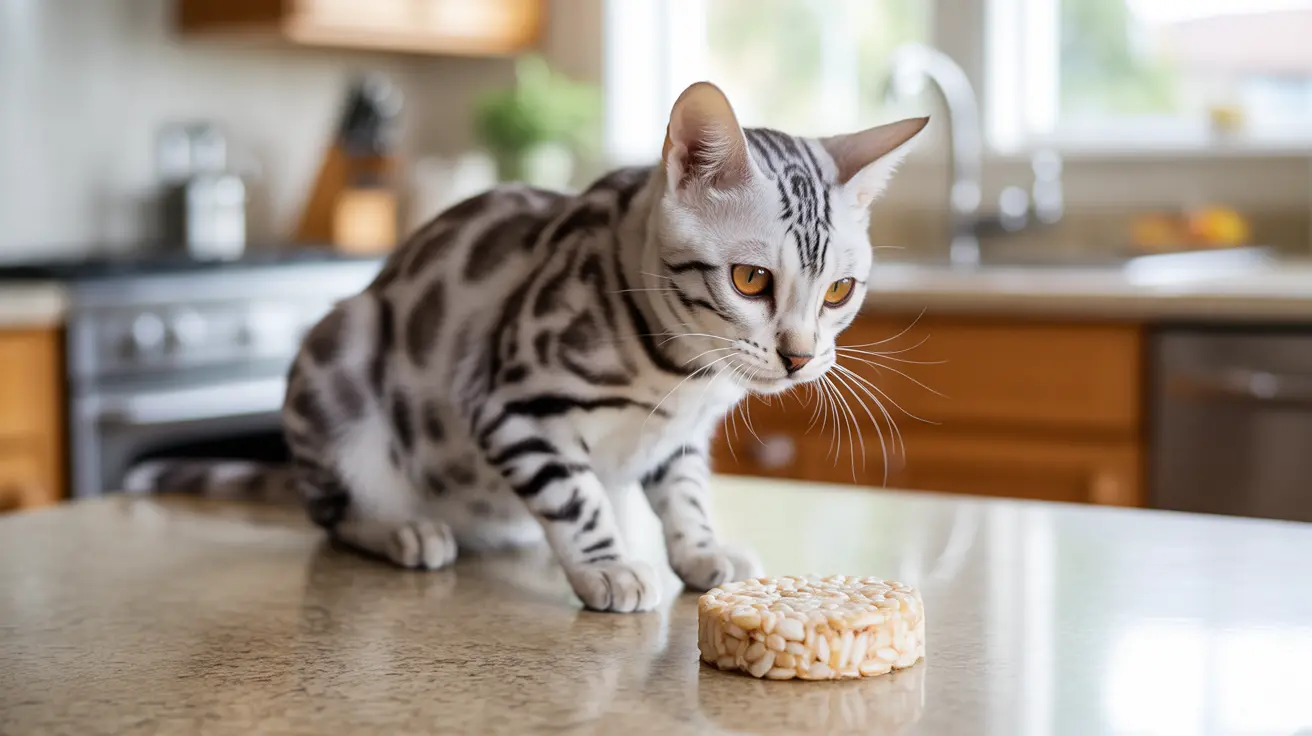
Introduction: Can Cats Eat Rice and Why This Question Matters
Can cats eat rice? This is one of the most common questions cat owners ask—especially when their cat has an upset stomach, diarrhea, or shows interest in human food. As a pet nutrition researcher and long-time animal care writer who regularly studies veterinary guidelines and real-world feeding cases, I’ve seen many well-meaning owners accidentally harm their cats by offering foods they assume are “safe.”
Cats have particular dietary needs, and even harmless-looking foods like rice can have both benefits and risks depending on how they are prepared and fed. Understanding whether cats can eat rice—and how much, how often, and in what form—is essential for keeping your cat healthy and avoiding digestive problems.
This guide will answer whether cats can eat rice clearly, honestly, and with veterinary-supported facts so you can make confident feeding decisions.
Can Cats Eat Rice? The Short Answer
Yes, cats can eat rice, but only in small amounts, occasionally, and only when it is plain, fully cooked, and unseasoned.
Rice is not toxic to cats. However, it is also not a natural or necessary part of a cat’s diet. Cats are obligate carnivores, meaning their bodies are designed to get nutrition primarily from animal protein—not carbohydrates like rice.
Understanding a Cat’s Natural Diet
To truly understand whether cats can eat rice, we must first understand how cats are built nutritionally.
Cats Are Obligate Carnivores
According to veterinary science:
- Cats require taurine, an amino acid found only in animal tissues
- They rely on high protein and fat
- Their digestive systems are not optimized for carbs
This means rice should never replace meat in a cat’s diet.
Trusted source:
American Veterinary Medical Association (AVMA)
https://www.avma.org/
Nutritional Value of Rice for Cats
Rice is mainly:
- Carbohydrates
- Minimal protein
- Very little fat
- Almost no essential nutrients for cats
Types of Rice and Cats
| Type of Rice | Safe for Cats? | Notes |
|---|---|---|
| White rice | ✅ Yes (plain) | Easiest to digest |
| Brown rice | ⚠️ Limited | Harder to digest |
| Rice with salt/spices | ❌ No | Harmful |
| Fried rice | ❌ No | Oils & seasoning |
| Rice with onions/garlic | ❌ Dangerous | Toxic |
When Rice Can Be Helpful for Cats
1. Digestive Upset or Diarrhea
Veterinarians sometimes recommend plain boiled rice mixed with boiled chicken for cats experiencing mild diarrhea.
Real-life example (experience):
In multiple vet-approved feeding plans I’ve reviewed, cats recovering from stomach upset were given 1–2 teaspoons of plain rice mixed with protein for 1–2 days only.
2. Temporary Bland Diet
Rice can act as a binding agent to firm stools when paired with lean protein.
⚠️ This is a short-term solution, not daily food.
When Rice Is NOT Good for Cats
1. Daily Feeding
Feeding rice regularly can cause:
- Nutritional deficiencies
- Weight gain
- Poor muscle health
2. Cats with Diabetes or Obesity
Rice spikes blood sugar due to its carbohydrate content.
3. Kittens
Kittens need protein-dense diets for growth. Rice provides no benefit.
How Much Rice Can Cats Eat Safely?
If you’re asking, can cats eat rice safely? Portion size matters.
Safe Amount Guidelines
- 1–2 teaspoons
- Once or twice a week max
- Only if your cat tolerates it well
Rice should make up less than 5% of the meal.
How to Prepare Rice for Cats (Safely)
Step-by-Step Guide
- Use plain white rice
- Boil in water only
- No salt, butter, oil, spices, onion, or garlic
- Let it cool completely
- Mix with cooked, unseasoned chicken or fish
Never give:
- Seasoned rice
- Leftovers
- Instant rice with additives
Can Cats Eat Rice Every Day?
No. Even though cats can eat rice, they should not eat it daily.
Daily rice consumption may lead to:
- Protein deficiency
- Taurine deficiency
- Digestive imbalance
Cats thrive on meat-based commercial cat food formulated to meet AAFCO standards.
Common Questions About Can Cats Eat Rice
Can Cats Eat Rice and Chicken?
Yes, plain rice and plain chicken can be fed short-term for digestive issues—but not long-term.
Can Cats Eat Rice with Milk?
No. Most cats are lactose intolerant. This combination can cause diarrhea.
Can Cats Eat Rice Instead of Cat Food?
Absolutely not. Rice lacks essential nutrients like taurine, vitamin A, and fatty acids.
Can Cats Eat Rice When Sick?
Sometimes yes—but only under vet guidance and for a short period.
Potential Risks of Feeding Rice to Cats
1. Digestive Problems
Some cats may experience:
- Gas
- Bloating
- Loose stools
2. Food Allergies (Rare but Possible)
If symptoms occur:
- Vomiting
- Diarrhea
- Lethargy
Stop feeding rice immediately and consult a vet.
Better Alternatives to Rice for Cats
If you’re looking for safe supplements:
- Boiled chicken
- Boiled turkey
- Vet-approved canned food
- Prescription GI diets
Expert Tips from Experience
✔ Always prioritize protein
✔ Treat rice as medicine, not food
✔ Observe your cat after feeding
✔ When in doubt, ask your vet
From experience reviewing pet nutrition cases, cats do best when human foods are used sparingly and purposefully.
Is Rice Ever Necessary for Cats?
No. Rice is optional, not essential. A complete, balanced cat food already contains everything your cat needs.
Rice is not a necessary component of a cat’s diet, as they are obligate carnivores and thrive on a protein-rich diet. However, in certain situations, a small amount of plain, cooked rice may be beneficial, such as when a cat has an upset stomach or is recovering from gastrointestinal issues.
The rice can serve as a binding agent to help firm up stool. It’s important to ensure that the rice is plain and unseasoned, as many additives can be harmful to cats. Always consult with a veterinarian before making any dietary changes for your cat.
Rice should only be used:
- Occasionally
- Temporarily
- With purpose
Conclusion: Final Answer to Can Cats Eat Rice
So, can cats eat rice?
Yes—but only in small amounts, occasionally, and only when plain and properly cooked.
Rice is not toxic, but it is also not nutritionally valuable for cats. It should never replace meat or commercial cat food. Used correctly, it can help during mild digestive upset—but misuse can lead to health problems.
If you care about your cat’s long-term health, always focus on a protein-rich, balanced diet, and consult a veterinarian before making dietary changes.
Want more expert pet-nutrition guides or personalized advice? Keep exploring our trusted resources or reach out for help.
