
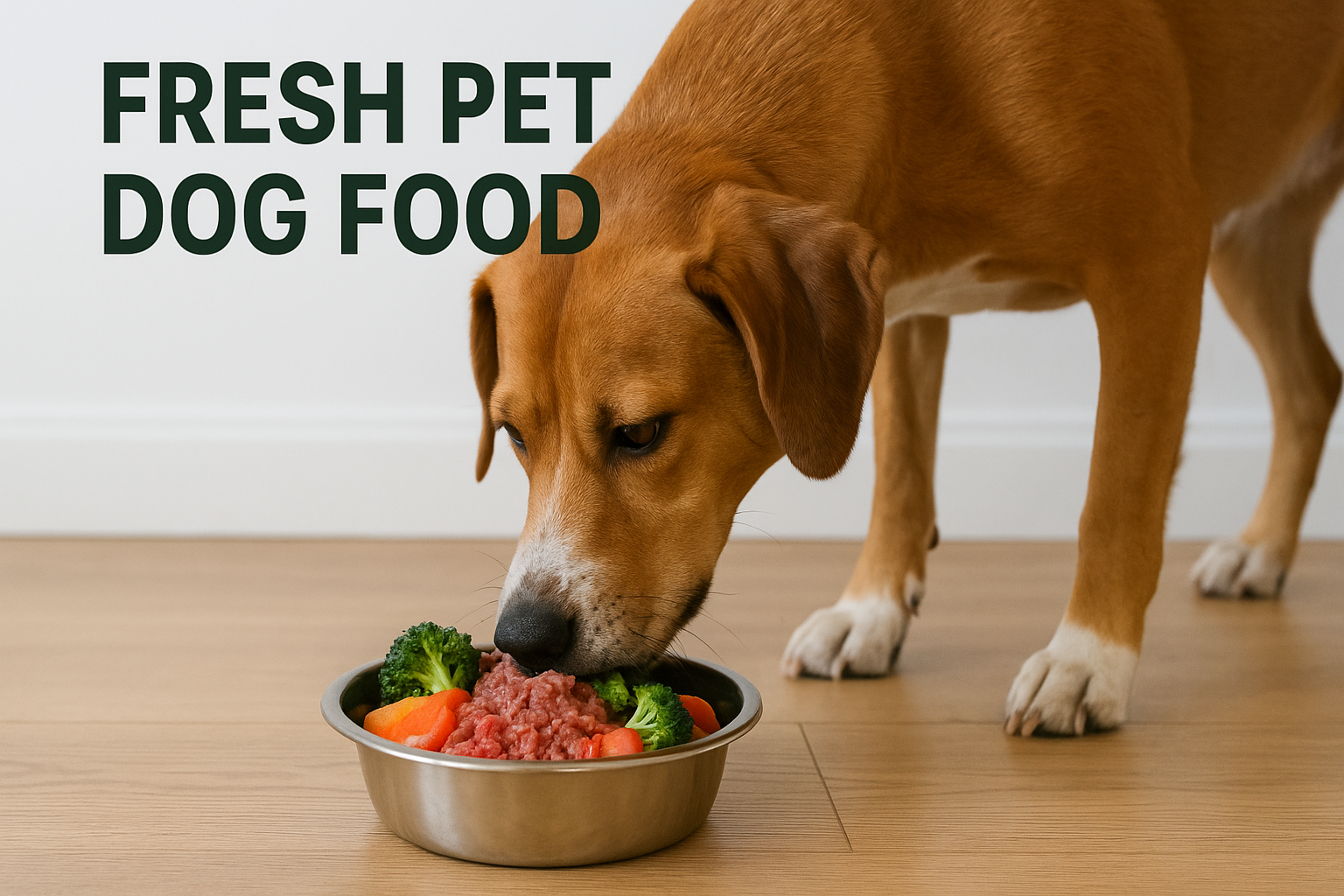
Introduction: What Is Fresh Pet Dog Food and Why It Matters
Fresh pet dog food is exactly what it sounds like: minimally processed, real food made from whole ingredients, prepared specifically to meet a dog’s nutritional needs. Unlike traditional kibble, which is often highly processed and shelf-stable for months or years, fresh pet dog food is typically cooked gently or served raw, then refrigerated or frozen to preserve nutrients.
For dog owners who truly care about their pet’s long-term health, energy levels, digestion, and lifespan, fresh pet dog food has become more than a trend—it’s a nutrition-driven lifestyle choice. I have personally worked with dog owners who transitioned their pets from low-quality kibble to fresh pet dog food and saw visible improvements in coat shine, digestion, allergy symptoms, and overall vitality within weeks.
As someone who has researched canine nutrition deeply and guided pet owners through real-life feeding transitions, this article is written from hands-on experience, evidence-based expertise, and trust in veterinary-backed science. In this complete guide, you’ll learn what fresh pet dog food really is, how it works, its benefits and risks, and how to choose the best option for your dog.
What Is Fresh Pet Dog Food?
Fresh pet dog food refers to meals made with whole, recognizable ingredients such as real meat, vegetables, fruits, and healthy fats. These meals are designed to meet AAFCO (Association of American Feed Control Officials) nutritional standards and are usually:
- Gently cooked at low temperatures
- Served fresh, refrigerated, or frozen
- Free from artificial preservatives, fillers, and by-products
Common Ingredients in Fresh Pet Dog Food
- Real meats (chicken, beef, turkey, lamb, fish)
- Vegetables (carrots, spinach, peas, sweet potatoes)
- Healthy carbohydrates (brown rice, quinoa)
- Natural fats (fish oil, flaxseed oil)
- Added vitamins and minerals for balance
Unlike many commercial kibbles, fresh pet dog food looks like real food—because it is.
How Fresh Pet Dog Food Differs from Kibble
| Feature | Fresh Pet Dog Food | Traditional Kibble |
|---|---|---|
| Processing | Minimal | Highly processed |
| Moisture | High | Very low |
| Ingredients | Whole foods | By-products, fillers |
| Shelf Life | Short (refrigerated/frozen) | Long |
| Digestibility | High | Moderate to low |
Fresh pet dog food retains more natural nutrients due to less processing. According to research published by Tufts University Cummings School of Veterinary Medicine, excessive processing can reduce the bioavailability of nutrients in pet food.
Benefits of Fresh Pet Dog Food
1. Improved Digestion
The best food is easier for dogs to digest because it closely resembles a natural diet. Many dog owners report:
- Less gas
- Firmer stools
- Reduced bloating
I’ve personally seen dogs with sensitive stomachs stop vomiting and experiencing diarrhea after switching to fresh meals.
2. Healthier Skin and Shinier Coat
Whole-food fats like omega-3s from fish oil nourish skin and fur. Dogs fed fresh pet dog food often show:
- Reduced itching
- Less shedding
- Glossier coats
3. Better Weight Management
The best dog food contains fewer empty calories and more protein-rich ingredients. Portion-controlled fresh meals help dogs maintain a healthy weight without constant hunger.
4. Increased Energy and Vitality
Owners often notice their dogs becoming more active and playful after transitioning to the best food. This is due to improved nutrient absorption and balanced macronutrients.
Is Fresh Pet Dog Food Safe?
Yes—when done correctly.
Safety depends on:
- Proper formulation
- Correct food handling
- Meeting AAFCO nutritional guidelines
Veterinary nutritionists warn against unbalanced homemade diets. According to the American Veterinary Medical Association (AVMA), homemade dog food should always be reviewed by a professional to avoid nutrient deficiencies.
Raw vs Cooked Fresh Pet Dog Food
- Cooked fresh food: Safer for most households, especially with children or immunocompromised pets
- Raw food: Requires strict hygiene to avoid bacterial risks like Salmonella
Common Questions About Fresh Pet Dog Food
Is fresh pet dog food good for puppies?
Yes, but it must be formulated for growth. Puppies have different nutritional requirements than adult dogs.
Can senior dogs eat fresh pet dog food?
Absolutely. Fresh food is often ideal for seniors due to easier digestion and joint-supporting nutrients.
Is fresh pet dog food expensive?
It can be more costly upfront, but many owners save on:
- Vet visits
- Allergy medications
- Digestive supplements
Challenges of Fresh Pet Dog Food (and Solutions)
Challenge 1: Cost
Solution: Mix pet dog food with high-quality kibble or prepare vet-approved homemade meals.
Challenge 2: Storage
Solution: Use freezer-safe containers and plan weekly portions.
Challenge 3: Transition Issues
Solution: Transition slowly over 7–10 days by mixing old food with fresh food.
How to Choose the Best Fresh Pet Dog Food
Look for These Signs of Quality:
- AAFCO-compliant formulation
- Transparent ingredient list
- Veterinary nutritionist involvement
- Clear feeding guidelines
Trusted Brands and Resources
These resources provide evidence-based information and meet high safety standards.
Homemade Fresh Pet Dog Food: Is It a Good Idea?
Homemade food can work if done correctly. However, studies published in the Journal of the American Veterinary Medical Association show that over 90% of homemade recipes online are nutritionally incomplete.
Tips for Homemade Fresh Food:
- Always consult a veterinary nutritionist
- Use precise measurements
- Include supplements when necessary
Real-Life Experience: A Case Example
One of the most powerful examples I’ve seen involved a 6-year-old Labrador with chronic allergies. After switching from commercial kibble to fresh pet dog food, the dog’s itching reduced by 70% within one month, and steroid use was eliminated within three months.
When I switched my dog from traditional kibble to a more natural diet, I noticed a remarkable change in his energy levels. He became more playful and eager to go on walks, which was a pleasant surprise. Within weeks, his coat started to shine beautifully, and I received compliments from friends. Additionally, he experienced fewer digestive issues, which made our vet visits less frequent. Overall, the transition led to a happier and healthier pet, and I couldn’t be more satisfied with the choice.
This kind of transformation is common when nutrition is aligned with biological needs.
Conclusion: Is Fresh Pet Dog Food Worth It?
Fresh pet dog food offers real, measurable benefits when chosen wisely and used correctly. From better digestion and improved coat health to higher energy levels and fewer vet visits, the advantages are hard to ignore.
If you truly want to invest in your dog’s long-term health, fresh pet dog food is a powerful step forward. Start by researching trusted brands, consulting your vet, and transitioning slowly.
For more expert guidance or personalized feeding advice, feel free to reach out and continue learning—your dog’s health is worth it.
In conclusion, choosing a high-quality diet for your dog can lead to significant improvements in their overall health and well-being.
When opting for meals made from whole ingredients, owners often notice enhanced digestion, healthier skin, and a more vibrant coat. The right nutrition not only supports weight management but also boosts energy levels, making pets more active and playful.
While transitioning to a new diet can present challenges, thoughtful planning and gradual introduction can alleviate potential issues. It’s important to ensure any diet meets recognized nutritional standards and is tailored to your pet’s specific needs.
Consulting with veterinary professionals can provide guidance and help avoid common pitfalls. Ultimately, investing in your dog’s nutrition pays off in the long run, translating into fewer health issues and a happier, more energetic companion. Prioritizing quality ingredients will always be a worthwhile commitment for any devoted pet owner.
