
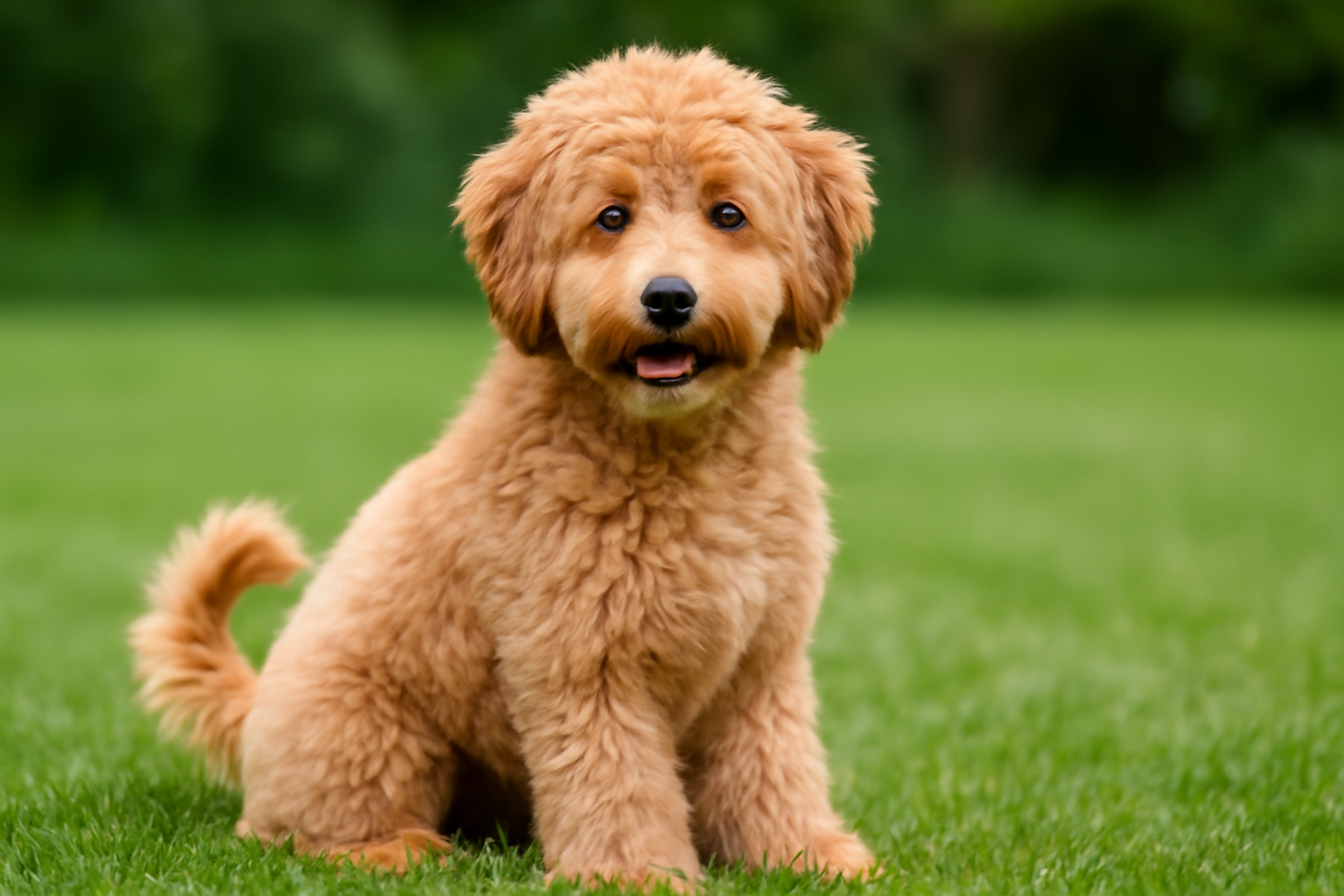
Introduction: What Is a Mini Poodle and Why Does It Matter
These are one of the most intelligent, elegant, and adaptable dog breeds in the world. Known for its curly coat, sharp mind, and affectionate personality, these has become a favorite companion for families, apartment dwellers, and first-time dog owners alike.
As someone who has worked closely with pet owners, breeders, and veterinarians while researching and writing extensively about companion animals, I’ve seen firsthand why the mini poodle stands out. From real-life experiences of owners managing grooming routines to training success stories, this breed consistently proves its value as a loyal and low-shedding companion.
In this in-depth guide, we’ll explore everything you need to know about these dogs, including temperament, care, health, training, challenges, and whether this breed is right for you.
What Is a Mini Poodle?
These are the medium-sized dog breed that falls between the toy poodle and the standard poodle. According to breed standards, mini poodles typically stand 10–15 inches tall at the shoulder and weigh between 10–15 pounds.
Quick Facts
- Breed Group: Non-Sporting Group
- Lifespan: 12–15 years
- Temperament: Intelligent, alert, affectionate
- Coat Type: Curly, low-shedding
- Best For: Families, singles, allergy sufferers
Despite their elegant appearance, mini poodles are not just “show dogs.” Historically, poodles were bred as water retrievers, which explains their athleticism and intelligence.
Mini Poodle Personality and Temperament
One of the strongest reasons people choose these dog is their exceptional temperament.
Intelligent and Highly Trainable
They consistently rank among the top five smartest dog breeds. They quickly learn commands, routines, and even emotional cues from their owners.
Real-life example: One mini poodle owner shared how her dog learned basic obedience commands within just one week, outperforming larger working breeds she had owned before.
Loving and Family-Oriented
They form deep bonds with their humans. They thrive on attention and enjoy being part of daily activities, whether it’s a walk, playtime, or simply relaxing at home.
Alert but Not Aggressive
They make excellent watchdogs due to their alert nature. They may bark to signal strangers, but are rarely aggressive when properly socialized.
Mini Poodle Appearance and Coat
Coat Characteristics
The mini poodle’s coat is:
- Dense
- Curly
- Hypoallergenic (low dander, low shedding)
This makes the mini poodle ideal for allergy sufferers, though no dog is 100% allergen-free.
Coat Colors
Their common colors include:
- White
- Black
- Apricot
- Gray
- Brown
- Cream
Grooming a Mini Poodle: Practical Care Tips
While they don’t shed much, they require regular grooming.
Grooming Needs
- Brushing: 3–4 times per week
- Professional grooming: Every 4–6 weeks
- Ear cleaning: Weekly
- Nail trimming: Monthly
Common Grooming Challenge
Many first-time owners underestimate grooming needs.
Solution:
Create a consistent grooming schedule and introduce grooming tools early in puppyhood to avoid fear or anxiety.
Mini Poodle Training: Best Practices
Training a mini poodle is usually a rewarding experience due to their intelligence.
Training Tips
- Use positive reinforcement
- Keep sessions short and engaging
- Introduce mental stimulation (puzzle toys, agility)
Common Training Questions
Q: Are mini poodles easy to house train?
Yes. Most mini poodles respond quickly to consistent potty training routines.
Q: Do mini poodles get bored easily?
Yes. Mental stimulation is essential to prevent destructive behavior.
About Exercise Requirements
Although small, this is an active breed.
Daily Exercise Needs
- 30–60 minutes per day
- Walks, fetch, agility games
- Indoor play works well for apartments
From owner feedback, mini poodles who receive daily mental and physical exercise show fewer behavioral issues.
About Health and Lifespan
These are generally a healthy breed, but can be prone to some genetic conditions.
Common Health Issues
- Progressive Retinal Atrophy (PRA)
- Hip Dysplasia
- Patellar Luxation
- Dental disease
Health Tips
- Choose reputable breeders
- Schedule regular vet checkups
- Maintain dental hygiene
🔗 Trusted Source:
American Kennel Club – Poodle Breed Info
https://www.akc.org/dog-breeds/poodle-miniature/
Feeding them
Diet Recommendations
- High-quality protein
- Age-appropriate portions
- Avoid overfeeding (obesity risk)
Pro Tip: Many vets recommend measured meals rather than free feeding to maintain ideal weight.
Mini Poodle and Families: Are They Good with Kids?
Yes, they are generally excellent family dogs.
Why They Work Well for Families
- Gentle nature
- High patience when socialized
- Enjoy interactive play
Supervision is still recommended with very young children, as with any dog breed. Every dog needs training.
Apartment Living with them
These dog adapts extremely well to apartment life.
Why They Are Apartment-Friendly
- Small size
- Low odor
- Moderate exercise needs
However, mental stimulation is essential to avoid boredom barking.
Common Challenges of Owning Them (and Solutions)
Challenge 1: Separation Anxiety
Solution: Crate training, interactive toys, and gradual alone-time exposure.
Challenge 2: Grooming Costs
Solution: Learn basic grooming at home to reduce professional visits.
Challenge 3: Over-Attachment
Solution: Encourage independence through structured routines.
Mini Poodle vs Toy Poodle: Key Differences
| Feature | Mini Poodle | Toy Poodle |
|---|---|---|
| Height | 10–15 inches | Under 10 inches |
| Energy | Moderate-High | Moderate |
| Fragility | Sturdier | More delicate |
Are they right for you?
These may be perfect for you if:
- You want a smart, trainable dog
- You can commit to grooming
- You enjoy interactive companionship
They may not suit owners looking for a low-interaction or low-maintenance pet.
Conclusion: Why the Mini Poodle Is a Remarkable Companion
These are combined intelligence, affection, elegance, and adaptability in one exceptional dog breed. With proper care, training, and love, mini poodles reward owners with loyalty, joy, and years of companionship.
If you’re considering adding a them to your life, continue researching reputable breeders, speak with veterinarians, or reach out to experienced owners for guidance.
This small dog breed is known for its intelligence and affectionate demeanor. With a curly coat that is low-shedding, they are a great choice for allergy sufferers. Standing between 10 to 15 inches tall, they fit comfortably in both homes and apartments. Their alert nature makes them excellent watchdogs, though they are rarely aggressive.
These dogs thrive on attention and enjoy being involved in family activities. They are highly trainable and respond well to positive reinforcement techniques. Regular grooming is essential to maintain their beautiful coat, and they require both mental and physical stimulation. Active and playful, they typically need around 30 to 60 minutes of exercise daily.
This breed is known for forming strong bonds with its owners and is generally good with children. Overall, their adaptable nature and loving personality make them fantastic companions.
Want more expert pet care guides?
Explore our related articles or contact us for personalized advice on choosing the right dog for your lifestyle.
