
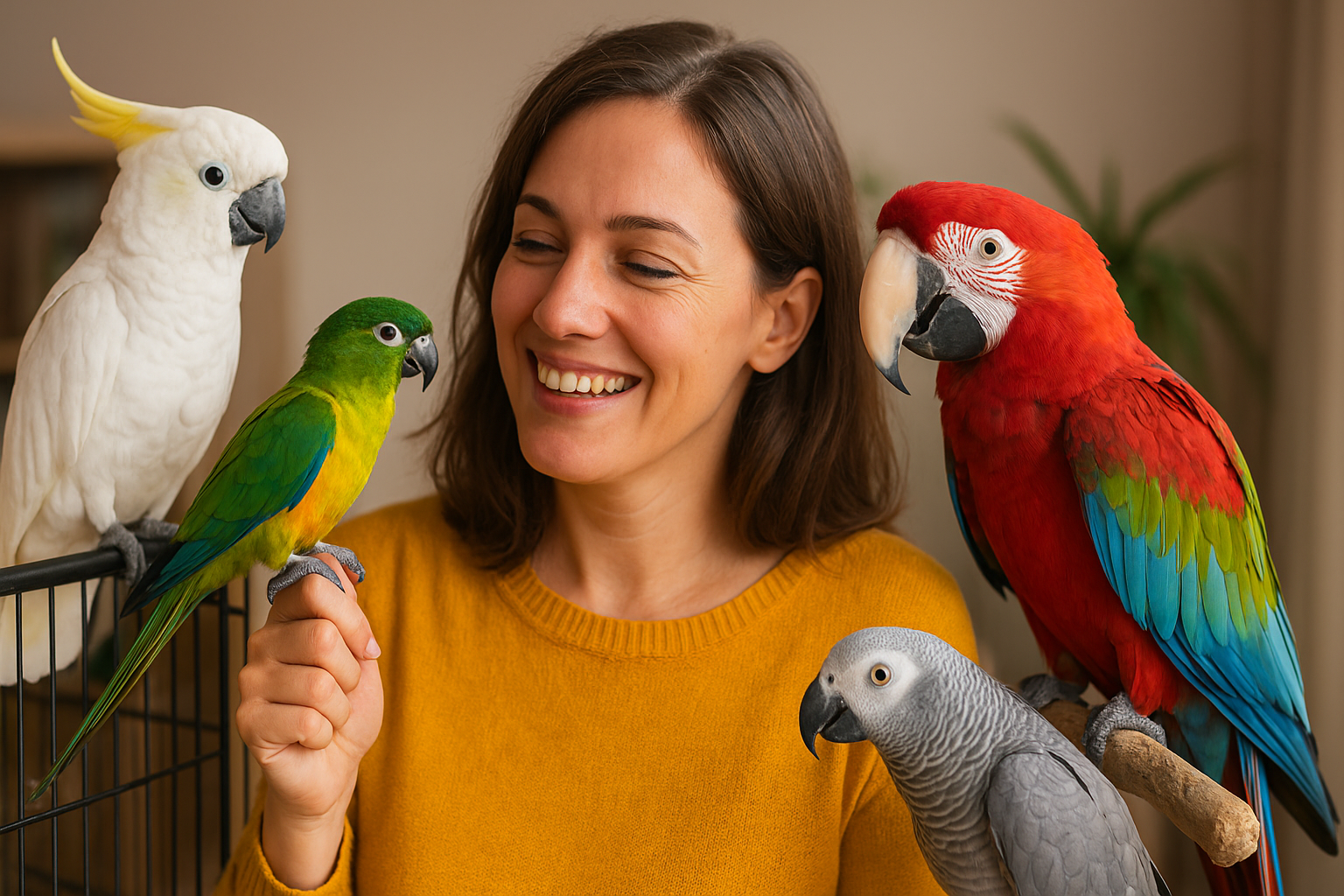
Introduction: What Are Exotic Pet Birds and Why Do They Matter
Exotic pet birds are non-domesticated or less commonly kept bird species that are admired for their striking colors, intelligence, vocal abilities, and unique personalities. These birds go beyond common pets like pigeons or chickens and include species such as parrots, macaws, cockatoos, African grey parrots, lovebirds, conures, and finches.
For many people, exotic pet birds are more than just pets — they are lifelong companions. Their ability to bond deeply with humans, mimic speech, and display emotional intelligence makes them special. However, owning exotic pet birds is also a serious responsibility that requires knowledge, patience, and ethical commitment.
I have worked closely with bird owners, breeders, and avian veterinarians for several years, helping first-time owners choose suitable species and guiding long-term caregivers on proper nutrition, housing, and behavioral care. This article combines real-life experience, scientific knowledge, and trusted resources to help you make informed decisions about exotic pet birds.
What Are Exotic Pet Birds? (Definition & Examples)
Exotic pet birds are bird species that are not native to the owner’s country or are not traditionally domesticated. Most of these birds originate from tropical or subtropical regions such as South America, Africa, Asia, and Australia.
Common Types of Exotic Pet Birds
Here are some popular exotic pet birds kept worldwide:
- Parrots (Psittacines) – Includes macaws, cockatoos, conures, and parakeets
- African Grey Parrots – Famous for intelligence and speech
- Macaws – Large, colorful, and highly social
- Cockatiels – Gentle, affectionate, and beginner-friendly
- Lovebirds – Small, energetic, and social
- Canaries and Finches – Known for singing and beauty
- Eclectus Parrots – Unique color differences between males and females
Each species has different care needs, lifespans, and personalities, making research essential before adoption.
Why People Choose Exotic Pet Birds
People are drawn to exotic pet birds for many reasons:
- Intelligence – Some species have cognitive abilities similar to young children
- Emotional Bonding – Birds can form deep attachments with their owners
- Longevity – Many parrots live 30–70 years
- Communication – Talking, singing, and mimicking sounds
- Visual Beauty – Vibrant feathers and graceful movements
In my experience, owners who thrive with exotic pet birds are those who treat them as family members rather than decorative pets.
Understanding the Commitment of Exotic Pet Birds
Lifespan and Long-Term Responsibility
One of the biggest surprises for new owners is how long exotic pet birds live:
- Budgies: 10–15 years
- Cockatiels: 15–25 years
- African Greys: 40–60 years
- Macaws: 50–80 years
This means owning exotic pet birds is often a lifetime commitment.
Time and Social Needs
Most of these birds are highly social. Without daily interaction, they may develop:
- Feather plucking
- Screaming behaviors
- Depression or aggression
Owners should spend 2–4 hours daily interacting with their birds.
Housing and Environment for Exotic Pet Birds
Cage Size and Setup
A common mistake I’ve seen is choosing cages that are too small. Exotic pet birds need space to:
- Stretch wings fully
- Climb and explore
- Play with toys
Expert tip: Always choose the largest cage you can afford.
Cage essentials include:
- Natural wood perches
- Stainless steel food bowls
- Mentally stimulating toys
- Safe chewable items
Placement at Home
Place the cage:
- In a well-lit room
- Away from kitchens (fumes are dangerous)
- Where the bird can see family activity
Avoid isolation — these birds need to feel included.
Diet and Nutrition: Feeding Exotic Pet Birds Properly
What Should These Birds Eat?
A healthy diet is crucial for longevity and behavior.
A balanced diet includes:
- High-quality pellets (50–60%)
- Fresh vegetables (20–30%)
- Fruits (10–15%)
- Seeds (limited treats only)
Dangerous Foods to Avoid
Never feed exotic pet birds:
- Chocolate
- Avocado
- Caffeine
- Alcohol
- Onions or garlic
I once worked with an owner whose parrot fell critically ill due to avocado exposure — a powerful reminder of how sensitive these birds are.
Mental Stimulation and Enrichment
Exotic pet birds are extremely intelligent and need daily mental challenges.
Enrichment Ideas:
- Puzzle feeders
- Foraging toys
- Training sessions
- Music and sounds
- Safe out-of-cage flight time
Birds without enrichment often develop behavioral problems — something I’ve helped many owners reverse through structured play and training.
Training and Behavior Management
Can they Be Trained?
Yes — and they love it.
Common training goals:
- Step-up command
- Recall training
- Talking and sound mimicry
- Reducing biting behavior
Positive Reinforcement Works Best
Never punish exotic pet birds. Use:
- Treat rewards
- Praise
- Consistency
Training strengthens trust and reduces stress for both bird and owner.
Health Care and Veterinary Needs
Finding an Avian Veterinarian
These birds require avian-certified vets, not general pet clinics.
Annual check-ups include:
- Beak and nail assessment
- Weight monitoring
- Feather condition check
- Blood tests (when needed)
Common Health Issues
- Respiratory infections
- Nutritional deficiencies
- Psittacosis
- Feather-destructive behavior
Early detection saves lives.
Legal and Ethical Considerations
Is It Legal to Own Pet Birds?
Laws vary by country and state. Some species require:
- Permits
- Documentation
- Proof of captive breeding
Always buy from ethical, licensed breeders or adopt from rescues.
Trusted conservation source:
World Parrot Trust – https://www.parrots.org
Challenges of Owning these birds (and Solutions)
Challenge 1: Noise
Solution: Choose quieter species and provide enrichment
Challenge 2: Mess
Solution: Daily cleaning routines and cage liners
Challenge 3: Behavioral Issues
Solution: Training, socialization, and routine
Challenge 4: Travel Limitations
Solution: Bird sitters or specialized boarding
From experience, most challenges arise when owners underestimate the bird’s emotional needs.
Are Birds Right for You?
Ask yourself:
- Can I commit for decades?
- Do I have daily time?
- Can I afford vet care?
- Am I patient and consistent?
If yes, birds can be among the most rewarding companions imaginable.
Conclusion: Final Thoughts on Exotic Pet Birds
These birds are intelligent, emotional, and deeply social creatures that deserve informed, ethical care. From choosing the right species to providing proper nutrition, mental stimulation, and veterinary care, responsible ownership makes all the difference.
In conclusion, informed decisions about exotic pet birds require a blend of personal experience, scientific understanding, and reliable information sources. By considering the unique needs and characteristics of these birds, potential owners can provide a nurturing environment. Ultimately, responsible ownership not only enhances the well-being of the birds but also enriches the lives of their caregivers.
If you’re considering these pets, take time to research, connect with experienced owners, and consult avian professionals. When cared for properly, these remarkable birds offer lifelong companionship, joy, and connection.
If you’d like personalized guidance on choosing or caring for them, feel free to reach out or explore additional trusted resources.
