
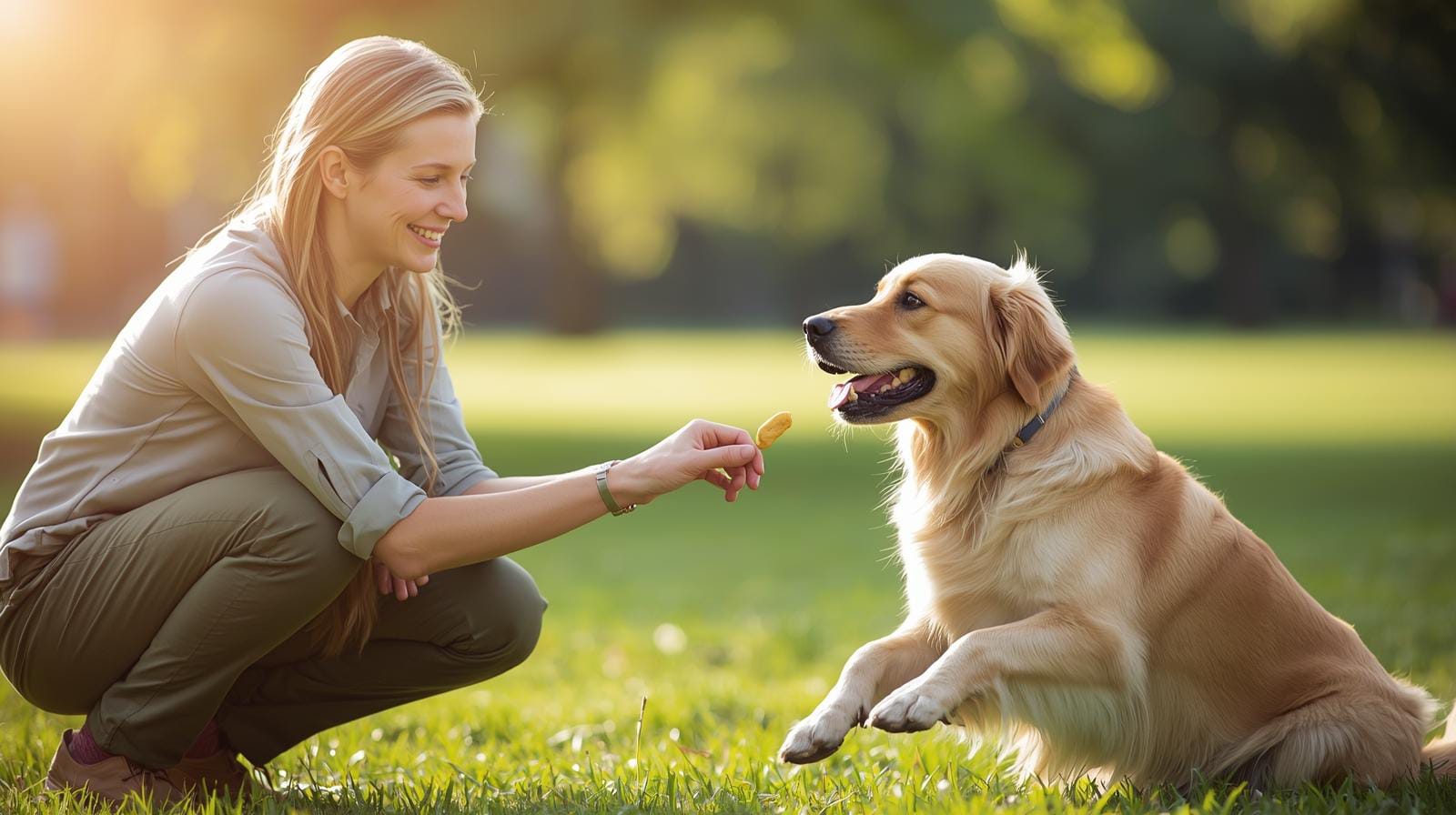
Introduction: What Is Dog Training and Why It Matters
Dog training is the process of teaching your dog specific behaviors, commands, and manners that help them live harmoniously with humans and other pets. It’s more than just teaching “sit” or “stay.” Proper dog training builds trust, reduces behavioral problems, and creates a deeper bond between you and your furry friend.
As someone who has worked with professional trainers and personally trained multiple dogs over the years, I’ve seen how consistent and positive training transforms even the most stubborn pups into obedient companions. Whether you’re a first-time dog owner or an experienced handler, understanding the fundamentals of dog training can make your journey more rewarding and stress-free.
The Importance of Dog Training
Training your dog isn’t optional — it’s essential for safety, communication, and coexistence. A well-trained dog knows how to behave in public, respond to commands, and avoid dangerous situations.
Key benefits of dog training include:
- Improved communication between you and your dog.
- Safety — both for your dog and others.
- Mental stimulation that prevents boredom and destructive behavior.
- Stronger bond built on mutual respect and trust.
- Confidence for both dog and owner in new situations.
According to the American Kennel Club (AKC), dogs that receive early and consistent training are less likely to exhibit anxiety, aggression, or disobedience later in life.
Types of Dog Training
Different dogs require different approaches. Let’s explore the most common types of dog training and when to use each.
1. Basic Obedience Training
This is the foundation of all training and includes commands like:
- Sit
- Stay
- Come
- Heel
- Down
Start obedience training as early as 8 weeks old using positive reinforcement — praise, treats, and affection when your dog performs correctly.
2. Behavioral Training
Used to correct unwanted behaviors such as:
- Excessive barking
- Jumping on people
- Chewing furniture
- Aggression or fear
Behavioral training helps identify the root cause (boredom, anxiety, lack of exercise) and replaces it with positive habits.
3. Potty Training (Housebreaking)
Essential for puppies and rescue dogs. The key is consistency — take your dog outside after meals, play, and naps. Reward immediately when they go in the right place.
4. Leash Training
Teaches your dog to walk calmly beside you without pulling. Start indoors, then gradually move outdoors. Use a harness instead of a collar to prevent choking.
5. Crate Training
Creates a safe and comfortable space for your dog. It helps with housebreaking, reduces separation anxiety, and provides a sense of security.
6. Advanced Training
For experienced owners or specific roles like:
- Therapy dogs
- Service dogs
- Guard dogs
- Agility and obedience competitions
Core Principles of Effective Dog Training
Training isn’t about dominance — it’s about communication, consistency, and patience.
1. Positive Reinforcement
Reward good behavior with treats, praise, or playtime. Dogs learn faster when they associate training with fun and love rather than punishment.
2. Consistency Is Key
Use the same commands and rules every time. If one day “off the couch” is enforced and the next day it’s not, your dog will be confused.
3. Timing Matters
Reward or correct behavior immediately — dogs live in the moment. Delayed responses make it harder for them to connect actions with outcomes.
4. Keep Sessions Short and Fun
Train for 10–15 minutes at a time, several times a day. Dogs learn better when they’re engaged, not bored or frustrated.
5. Socialization
Expose your dog to people, pets, and environments early. This reduces fear-based reactions and helps them adapt to new situations.
Common Dog Training Challenges and Solutions
Even with the best intentions, every owner faces roadblocks. Here are some frequent problems and how to fix them.
1. Dog Doesn’t Listen
Solution:
Ensure your dog is focused before training. Remove distractions, use high-value treats, and start with short commands. Consistency and patience are key.
2. Pulling on the Leash
Solution:
Stop walking whenever your dog pulls. Only move forward when the leash is slack. Reward them for walking beside you calmly.
3. Barking Excessively
Solution:
Identify the trigger — boredom, anxiety, or alertness. Redirect attention with toys or commands. Reward silence, not barking.
4. Aggression Toward Other Dogs
Solution:
Avoid punishment. Instead, practice counter-conditioning — reward calm behavior when another dog is nearby. If aggression persists, consult a certified behaviorist.
5. Separation Anxiety
Solution:
Start by leaving your dog alone for short periods, gradually increasing the time. Leave a piece of clothing with your scent and provide toys for distraction.
How to Start Dog Training at Home
You don’t need a professional trainer for basic obedience — just a little patience and structure.
Step 1: Create a Training Plan
Decide what commands and behaviors to focus on first. “Sit” and “Stay” are great starting points.
Step 2: Choose the Right Rewards
Use small, soft treats or favorite toys. Mix in verbal praise like “Good boy!” or “Good girl!”
Step 3: Pick a Quiet Space
Train in a distraction-free area before moving to busier environments.
Step 4: Keep It Positive
Never yell, hit, or punish. It damages trust. Positive reinforcement is always more effective and humane.
Step 5: Be Patient
Every dog learns at their own pace. Celebrate small wins!
Dog Training Tools and Equipment
Using the right tools makes training more efficient and enjoyable.
- Clicker: Helps reinforce positive behavior with a consistent sound cue.
- Harness: Prevents choking and gives better control during walks.
- Training Treats: Small, low-calorie rewards for frequent use.
- Crate: A safe space that aids in house training.
- Interactive Toys: Keep dogs mentally stimulated.
- Long Leash: Perfect for recall training in open spaces.
Learn more about training tools at PetMD’s Dog Training Resources.
Professional Dog Training vs. DIY
When to Train at Home
- Basic obedience commands
- Housebreaking
- Leash manners
- Simple behavior correction
When to Hire a Professional
- Severe aggression
- Anxiety disorders
- Specialized training (therapy/service dogs)
Certified trainers use evidence-based techniques and can tailor programs to your dog’s personality.
Check certified professionals on Association of Professional Dog Trainers (APDT).
Real-Life Example: How Training Changed Max’s Behavior
One of my clients, Max, a 2-year-old Labrador, had a bad habit of jumping on guests and pulling during walks. Through consistent positive reinforcement and structured leash training, Max learned to wait calmly at the door and walk politely beside his owner within a month.
This transformation wasn’t magic — it was patience, consistency, and clear communication. It proves that any dog, no matter how hyper or stubborn, can learn with the right approach.
Frequently Asked Questions (FAQs)
1. When Should I Start Training My Puppy?
You can start as early as 8 weeks. Puppies are like sponges — they learn fast during their early months.
2. Is It Too Late to Train an Older Dog?
Never! Adult dogs may take longer, but they can absolutely learn new behaviors with consistency.
3. How Long Does It Take to Train a Dog?
Basic commands usually take 4–6 weeks with daily sessions. More complex behaviors may take months.
4. Should I Use Punishment?
No. Punishment causes fear and damages trust. Always focus on rewarding positive behavior.
5. What’s the Best Way to Stop Chewing?
Provide plenty of chew toys and correct gently when your dog chooses furniture or shoes.
Advanced Dog Training Techniques
For owners looking to take things further:
1. Clicker Training
A form of positive reinforcement where a “click” sound marks good behavior, followed by a treat. It helps dogs understand exactly what they did right.
2. Target Training
Teaches your dog to touch or follow an object (like your hand or a stick), improving focus and coordination.
3. Agility Training
Combines exercise and obedience. Dogs navigate obstacle courses, improving confidence and teamwork.
4. Trick Training
Fun and stimulating — teach your dog to roll over, shake hands, or play dead.
Common Mistakes to Avoid
- Being inconsistent with commands
- Using negative reinforcement or yelling
- Expecting instant results
- Skipping socialization
- Ignoring mental exercise
Training should always be a bonding experience, not a battle.
Dog Training and Mental Health
A trained dog isn’t just obedient — they’re happier and more relaxed. Structured routines and clear expectations reduce anxiety and create a balanced, confident pet.
For owners, training can be therapeutic too. It improves patience, empathy, and emotional connection with your dog.
Conclusion: Building a Lifelong Partnership
Dog training isn’t a one-time event — it’s an ongoing journey of growth, love, and understanding. By using positive reinforcement, consistency, and patience, you’ll nurture a loyal, well-behaved companion who trusts and respects you.
Remember: every dog can learn, no matter the age or breed. Start small, stay patient, and celebrate progress. The time and effort you invest today will reward you with a lifetime of joy, loyalty, and companionship.
